Physicists eye emerging technology for solar cells in outer space
Solar cells face significant challenges when deployed in outer space, where extremes in the environment d...
View More

Budapest, Hungary
 Dear Esteemed Researchers, Industry Leaders and Innovators,
It is our distinct honor and pleasure to invite you to the 2nd World Congress on Renewable Energy, Smart Systems, and Sustainable Power Technologies (Energy World 2027), a premier global platform where innovation meets opportunity and where the future of energy is shaped not only by science, but by powerful business transformation, taking place on October 21 – 22, 2027, in Budapest Hungary. Read More
------------------------------------------------------------------------------------------------------------------
 Dear esteemed researchers, research institutions, corporate representatives, technology developers, and policymakers
We sincerely look forward to welcoming you to the 2nd World Congress on Renewable Energy, Smart Systems, and Sustainable Power Technologies (Energy World 2027). I participated online in Energy World 2026 held in Amsterdam, the Netherlands. I had the wonderful opportunity to present our research alongside many speakers from Japan and around the world who shared their insights on renewable energy, smart systems, and sustainable power technologies. Read More
































Lehigh University,
USA
Purdue University,
USA
CVS Health, Artificial Intelligence and Software Reliability,
USA
Georgetown University School of Business,
USA
University of the Shannon,
Germany
Leipzig University,
Germany
Artificial Intelligence and Assistive Technology Specialist at Central Rivers Area Education Agency,
USA
LUISS Guido Carli University,
Italy





Solar Photovoltaic Technologies
Why the Topic Matters Now:
In 2026, Solar Photovoltaic (PV) Technologies have become one of the most important solutions for meeting the world's growing electricity demand while reducing dependence on fossil fuels. Solar PV matters now because of three major global developments:
The Global Clean Energy Transition: Countries worldwide are accelerating the transition from fossil fuels to renewable energy. Solar PV converts sunlight directly into electricity, offering a scalable, low-carbon solution for residential buildings, industries, transportation, and large-scale power generation.
The Rising Demand for Electricity: Artificial Intelligence, data centers, electric vehicles, and industrial electrification are significantly increasing global electricity consumption. Advanced solar technologies provide an opportunity to generate clean electricity while reducing pressure on conventional power generation systems.
The Circular Economy Challenge: As solar installations expand, the industry must address the environmental impact of manufacturing and disposing of solar panels. Developing recyclable solar modules, recovering valuable materials, and extending panel lifespans are essential to making solar energy truly sustainable.
Global Urgency & Research Gaps:The global solar industry is experiencing rapid expansion, but several scientific and environmental challenges remain unresolved:
Solar Panel Waste Management: Millions of solar panels will eventually reach the end of their operational lifespan. Researchers need more efficient recycling technologies to recover valuable materials such as silicon, silver, copper, and aluminium while preventing hazardous substances from entering the environment.
Material Recovery & Resource Scarcity: Solar PV manufacturing depends on critical materials, including high-purity silicon, silver, copper, and other specialty materials. Research is urgently needed to develop alternative materials, reduce dependence on scarce resources, and improve material recovery through circular manufacturing processes.
Efficiency & Sustainability Gap: Although solar panel efficiency continues to improve, manufacturing remains energy- and resource-intensive. Research gaps include developing low-carbon manufacturing processes, reducing water consumption, eliminating toxic chemicals, and improving the durability and recyclability of photovoltaic modules.
Real-World Impact:Solar photovoltaic technologies are already transforming energy generation and everyday life in 2026:
Rooftop Solar & Smart Buildings: Residential homes, commercial buildings, and educational institutions are adopting rooftop solar systems to generate their own electricity, reduce electricity bills, and decrease dependence on conventional power grids.
Solar-Powered Transportation: Solar technologies are increasingly being integrated into electric vehicle charging stations, solar-powered parking facilities, public transportation infrastructure, and innovative vehicle designs to support cleaner mobility.
Sustainable Agriculture & Rural Electrification: Agrivoltaic systems combine agricultural production with solar electricity generation on the same land. Solar-powered irrigation, water pumping, and decentralized mini-grids are also improving agricultural productivity and electricity access in remote communities.
Challenges Scientists are Solving:Researchers are addressing several technological and environmental challenges to make solar photovoltaic systems more efficient, affordable, and sustainable:
Improving Conversion Efficiency: Scientists are working to overcome the theoretical and practical efficiency limits of conventional silicon solar cells. Research focuses on advanced cell architectures, tandem solar cells, and new semiconductor materials that capture a wider portion of the solar spectrum.
Solar Panel Degradation & Durability: Exposure to ultraviolet radiation, extreme temperatures, humidity, dust, and environmental conditions gradually reduces solar panel performance. Researchers are developing advanced protective coatings, encapsulation materials, and self-cleaning surfaces to extend operational lifespans.
End-of-Life Recycling & Material Recovery: Conventional solar panel recycling often focuses on recovering bulk materials such as glass and aluminium, while valuable materials like silver and high-purity silicon can be difficult to recover economically. Scientists are developing advanced separation, chemical extraction, and material purification techniques to improve recovery rates and enable closed-loop manufacturing.
Emerging Technologies & Methods:The 2026 Solar Photovoltaic Technology toolkit includes several innovative approaches that are transforming solar energy generation and circular manufacturing:
Perovskite-Silicon Tandem Solar Cells: This technology combines a perovskite solar cell with a conventional silicon cell to capture different portions of the sunlight spectrum. Tandem architectures have demonstrated efficiencies beyond conventional silicon cells, with research focused on achieving higher performance, improved stability, and commercially scalable manufacturing.
Bifacial & Floating Solar Photovoltaics: Bifacial solar panels capture sunlight from both their front and rear surfaces, increasing electricity generation through reflected sunlight. Floating photovoltaic systems install solar panels on water bodies such as reservoirs and lakes, helping conserve land while potentially reducing water evaporation.
Advanced Solar Panel Recycling Technologies: Innovative methods such as thermal delamination, chemical leaching, hydrometallurgical processing, and automated robotic separation are being developed to recover high-value materials from end-of-life solar panels. These technologies support circular manufacturing by returning recovered materials to new photovoltaic production.
Market Analysis:The global solar photovoltaic market continues to experience significant expansion, driven by increasing renewable energy investments, government decarbonization targets, technological advancements, and growing electricity demand. The global solar PV market was estimated at approximately USD 368.7 billion in 2025 and is projected to reach around USD 832.1 billion by 2033, representing a Compound Annual Growth Rate (CAGR) of approximately 10.8% during 2026–2033, according to Grand View Research.
Global solar PV installations also reached approximately 2.96 terawatts (TW) of cumulative installed capacity by the end of 2025, demonstrating the rapid worldwide adoption of solar technologies. Key growth drivers include increasing rooftop solar installations, utility-scale solar farms, perovskite tandem cell development, floating solar projects, energy storage integration, and investments in solar panel recycling infrastructure.
Key Market Players: LONGi Green Energy Technology Co., Ltd. (China) / JinkoSolar Holding Co., Ltd. (China) / Trina Solar Co., Ltd. (China) / JA Solar Technology Co., Ltd. (China) / Canadian Solar Inc. (Canada) / First Solar, Inc. (U.S.) / Hanwha Solutions Corporation (South Korea) / REC Solar Holdings AS (Norway) / Tata Power Solar Systems Limited (India) / Adani Solar (India) / Waaree Energies Limited (India) / Qcells (South Korea) / Meyer Burger Technology AG (Switzerland) / Maxeon Solar Technologies, Ltd. (Singapore) / Enphase Energy, Inc. (U.S.)
Floating Solar Systems
Why the Topic Matters Now:In 2026, Floating Solar Systems (also known as Floating Photovoltaics or Floatovoltaics) have emerged as an innovative solution for expanding renewable energy generation while addressing land scarcity and increasing electricity demand. Floating solar matters now because of three major global developments:
The Global Clean Energy Transition: Countries worldwide are accelerating the transition from fossil fuels to renewable energy. Floating Solar Systems offer an innovative approach to generating clean electricity by installing photovoltaic panels on floating platforms across reservoirs, lakes, industrial ponds, and other suitable water bodies. This technology enables countries to expand solar energy production without requiring additional land.
Land Scarcity & Increasing Energy Demand: Rapid urbanization, industrial expansion, and population growth are increasing competition for available land. Floating solar provides an opportunity to utilize underused water surfaces for electricity generation while supporting residential, commercial, agricultural, and industrial energy requirements.
Water Conservation & Environmental Sustainability: Climate change, rising temperatures, and increasing water scarcity are placing significant pressure on freshwater resources. Floating solar installations can reduce direct sunlight exposure on water surfaces, potentially limiting evaporation. Combining renewable electricity generation with water conservation makes this technology particularly valuable for water-stressed regions.
Global Urgency & Research Gaps:The global floating solar industry is expanding, but several scientific, engineering, and environmental challenges remain unresolved:
Floating Platform Durability & Stability: Floating solar installations must withstand strong winds, changing water levels, waves, storms, and extreme weather conditions. Researchers need to develop stronger, lightweight, corrosion-resistant, and environmentally sustainable floating platforms that can maintain long-term structural stability.
Water Ecosystem & Environmental Impact: Large floating solar installations may affect aquatic ecosystems by changing sunlight penetration, water temperature, oxygen levels, and biological activity. Research is urgently needed to understand their long-term environmental effects and establish sustainable coverage limits for different water bodies.
Electrical Safety & Long-Term Performance: Installing electrical equipment on water introduces challenges related to moisture, humidity, corrosion, insulation failure, and electrical safety. Researchers are working to develop advanced waterproof connectors, protective coatings, monitoring systems, and reliable electrical infrastructure to improve operational safety and system lifespan.
Real-World Impact:Floating Solar Systems are already transforming renewable energy generation and water resource management in several parts of the world in 2026:
Reservoir-Based Solar Power Generation: Governments and energy companies are installing floating solar farms on reservoirs and dams to generate large amounts of renewable electricity without occupying valuable agricultural or urban land. These installations can also complement existing hydropower infrastructure by sharing grid connections and electricity transmission facilities.
Industrial Water Bodies & Wastewater Treatment Facilities: Industrial ponds, water treatment plants, mining reservoirs, and wastewater facilities offer suitable locations for floating photovoltaic installations. These systems allow industries and water utilities to generate clean electricity while making productive use of existing water infrastructure.
Sustainable Agriculture & Water Management: Floating solar installations on irrigation reservoirs and agricultural water bodies can support solar-powered irrigation, water pumping, and agricultural operations. By reducing direct sunlight exposure, appropriately designed systems may also help minimize water evaporation and improve water resource management.
Challenges Scientists are Solving:
Researchers are addressing several technological, structural, and environmental challenges to make floating solar systems more efficient, affordable, and sustainable:
Improving Energy Generation Efficiency: Scientists are investigating how water-based cooling effects, panel positioning, sunlight reflection, and advanced photovoltaic technologies influence electricity generation. Research focuses on optimizing panel orientation, improving energy conversion efficiency, and developing bifacial solar modules that capture sunlight from both sides.
Floating Structure Stability & Weather Resistance: Floating platforms must remain stable under changing water levels, strong winds, waves, and extreme weather conditions. Researchers are developing advanced anchoring and mooring systems, flexible floating structures, high-density polyethylene (HDPE) floats, and wave-resistant platform designs to improve installation reliability.
Preventing Corrosion & Electrical Failures: Continuous exposure to moisture and humidity can damage electrical components, cables, connectors, and supporting structures. Scientists are developing corrosion-resistant materials, waterproof electrical systems, advanced insulation technologies, and real-time monitoring solutions to improve safety and reduce maintenance requirements.
Emerging Technologies & Methods:
The 2026 Floating Solar Technology toolkit includes several innovative approaches that are transforming renewable energy generation and water-based infrastructure:
Hybrid Floating Solar-Hydropower Systems: This technology combines floating photovoltaic installations with existing hydropower reservoirs and power generation facilities. Solar electricity can complement hydropower generation, improve the utilization of existing grid infrastructure, and potentially reduce pressure on water resources during periods of high electricity demand.
Offshore Floating Solar Systems: Advanced floating photovoltaic platforms are being developed for deployment in coastal and offshore environments. These systems use marine-grade materials, specialized anchoring technologies, and wave-resistant structures to withstand challenging ocean conditions while expanding renewable energy generation opportunities beyond inland water bodies.
Smart Floating Solar Platforms & Bifacial Technology: Innovative floating platforms integrate bifacial solar panels, smart sensors, automated monitoring systems, and advanced tracking technologies. These systems can monitor environmental conditions, optimize panel positioning, detect equipment failures, and improve electricity generation through more efficient sunlight utilization.
Market Analysis:
The global floating solar market is experiencing significant expansion, driven by increasing renewable energy investments, limited land availability, government decarbonization targets, and technological advancements in floating photovoltaic infrastructure. According to Mordor Intelligence, the global floating solar panels market was estimated at approximately USD 1.06 billion in 2025 and is projected to reach around USD 3.39 billion by 2030, representing a Compound Annual Growth Rate (CAGR) of approximately 26.2% during 2025–2030.
Global floating photovoltaic deployment is also increasing rapidly. According to the Solar Energy Research Institute of Singapore (SERIS), cumulative global floating photovoltaic capacity reached approximately 9.5 GWp by the end of 2024. Asia-Pacific remains a major growth region, supported by large reservoir networks, increasing electricity demand, and investments in large-scale floating solar projects.
Key growth drivers include reservoir-based floating solar farms, hybrid solar-hydropower projects, offshore floating photovoltaic technologies, bifacial solar modules, smart monitoring systems, advanced anchoring solutions, and investments in sustainable floating platform materials.
Key Market Players:
Ciel & Terre International (France) / Sungrow Power Supply Co., Ltd. (China) / Trina Solar Co., Ltd. (China) / LONGi Green Energy Technology Co., Ltd. (China) / KYOCERA Corporation (Japan) / JA Solar Technology Co., Ltd. (China) / Hanwha Solutions Corporation (South Korea) / GCL System Integration Technology Co., Ltd. (China) / Vikram Solar Limited (India) / Waaree Energies Limited (India) / Yellow Tropus Private Limited (India) / Tata Power Solar Systems Limited (India) / D3Energy (U.S.) / SolarDuck (Netherlands) / Ocean Sun AS (Norway) / Swimsol GmbH (Austria) / SolarisFloat (Portugal) / Pristine Sun Corp. (U.S.)
Wind Energy and Wind Technologies
Why the Topic Matters Now:
In 2026, Wind Energy and Wind Technologies have emerged as some of the most important solutions for meeting the world's growing electricity demand while reducing dependence on fossil fuels. Wind energy matters now because of three major global developments:
> The Global Clean Energy Transition: Countries worldwide are accelerating the transition from fossil fuels to renewable energy. Wind energy converts the natural movement of air into electricity through advanced wind turbines, offering a scalable, low-carbon solution for residential buildings, industries, commercial facilities, and large-scale power generation. Technological advancements in wind turbine design are making wind power increasingly efficient, reliable, and cost-effective.
> Increasing Global Electricity Demand & Energy Security: Rapid urbanization, industrial expansion, population growth, and the development of artificial intelligence infrastructure are increasing global electricity demand. Wind energy provides a sustainable source of electricity that can reduce dependence on imported fossil fuels, strengthen national energy security, and support long-term electricity supply requirements.
> Climate Change & Environmental Sustainability: Rising global temperatures, extreme weather conditions, and increasing greenhouse gas emissions are placing significant pressure on the environment. Wind energy generates electricity without directly producing carbon emissions during operation. Expanding onshore and offshore wind installations can help countries achieve climate targets, reduce air pollution, and accelerate the transition toward sustainable energy systems.
Global Urgency & Research Gaps:
The global wind energy industry is expanding rapidly, but several scientific, engineering, and environmental challenges remain unresolved:
> Wind Turbine Efficiency & Performance: Wind speeds and directions vary across geographical locations and weather conditions, affecting electricity generation. Researchers need to develop advanced aerodynamic blade designs, intelligent turbine control systems, and improved energy conversion technologies to maximize power generation under different wind conditions.
> Offshore Wind Infrastructure & Environmental Impact: Offshore wind installations face challenging marine conditions, including strong winds, waves, saltwater corrosion, and extreme weather events. Large-scale wind farms may also affect marine ecosystems, seabirds, and underwater habitats. Research is urgently needed to develop environmentally responsible installation methods and assess long-term ecological impacts.
> Energy Storage & Grid Integration: Wind energy generation is variable because electricity production depends on changing wind conditions. Integrating large amounts of wind power into existing electricity grids requires advanced forecasting, battery storage, flexible transmission infrastructure, and intelligent energy management systems. Researchers are working to improve grid stability and ensure a reliable electricity supply.
Real-World Impact:
Wind Energy and Wind Technologies are already transforming electricity generation, industrial development, and energy security in several parts of the world in 2026:
> Large-Scale Onshore Wind Farms: Governments and energy companies are developing large onshore wind farms across suitable agricultural, rural, and open-land regions. These installations generate substantial amounts of renewable electricity while supporting national power grids, reducing fossil fuel consumption, and creating employment opportunities in manufacturing, construction, and maintenance.
> Offshore Wind Power Generation: Coastal countries are investing in offshore wind farms to utilize stronger and more consistent wind resources available over oceans and seas. These installations provide opportunities for large-scale renewable electricity generation and can supply power to coastal cities, industrial facilities, and densely populated regions.
> Sustainable Industries & Rural Electrification: Wind energy is supporting industrial operations, agricultural activities, water pumping, and rural electricity access. Wind-powered systems and hybrid renewable energy installations can provide electricity to remote communities, support agricultural development, and reduce dependence on diesel generators.
Challenges Scientists are Solving:
Researchers are addressing several technological, structural, and environmental challenges to make wind energy systems more efficient, affordable, and sustainable:
> Improving Wind Turbine Energy Conversion Efficiency: Scientists are investigating advanced aerodynamic blade profiles, larger rotor diameters, improved turbine designs, and intelligent control technologies to capture more energy from available wind resources. Research also focuses on improving turbine performance under low-wind and highly variable wind conditions.
> Structural Durability & Extreme Weather Resistance: Wind turbines must withstand strong winds, lightning strikes, temperature variations, vibrations, storms, and mechanical stress. Researchers are developing stronger composite materials, lightweight turbine blades, advanced tower structures, and improved foundation technologies to increase equipment durability and operational lifespan.
> Reducing Maintenance Costs & Mechanical Failures: Wind turbines operate under continuous mechanical and environmental stress, which can cause blade damage, gearbox failures, bearing deterioration, and electrical faults. Scientists are developing predictive maintenance technologies, advanced sensors, artificial intelligence-based monitoring systems, and automated inspection methods to identify potential failures before they occur.
Emerging Technologies & Methods:
The 2026 Wind Energy Technology toolkit includes several innovative approaches that are transforming renewable electricity generation and wind-based infrastructure:
> Next-Generation Offshore Wind Turbines: Advanced offshore wind turbines are being developed with larger rotor diameters, higher generating capacities, improved aerodynamic blades, and advanced support structures. These technologies enable greater electricity generation from offshore wind resources while improving operational efficiency and reducing the cost of renewable energy production.
> Floating Offshore Wind Technology: Floating wind turbines are being developed for deep-water locations where conventional fixed-bottom foundations are not economically or technically suitable. These systems use floating platforms, advanced mooring systems, and subsea electrical cables to generate renewable electricity in deeper ocean environments, opening new opportunities for countries with limited shallow-water offshore areas.
> Smart Wind Turbines & Artificial Intelligence: Modern wind turbines increasingly integrate artificial intelligence, machine learning, smart sensors, digital twins, and automated monitoring systems. These technologies help predict wind patterns, optimize blade positioning, monitor turbine performance, detect mechanical failures, and improve electricity generation through intelligent operational management.
Market Analysis:
The global wind energy market is experiencing significant expansion, driven by increasing renewable energy investments, rising electricity demand, government decarbonization targets, offshore wind development, and technological advancements in wind turbine infrastructure. According to the Global Wind Energy Council (GWEC), approximately 117 GW of new wind power capacity was installed globally in 2024. Furthermore, GWEC reported that a record 178 GW of wind turbine capacity was mechanically installed worldwide in 2025, representing an increase of approximately 40% compared with 2024.
Global wind energy deployment continues to accelerate as countries invest in large-scale onshore and offshore wind projects. According to the World Wind Energy Association (WWEA), total global installed wind power capacity exceeded approximately 1,346 GW by the end of 2025, highlighting the growing importance of wind energy in the global electricity supply.
Asia-Pacific remains a major growth region, supported by China's large-scale wind power investments, India's expanding renewable energy infrastructure, increasing electricity demand, and growing offshore wind development. Europe and North America also remain important markets due to technological innovation, offshore wind investments, and government commitments to renewable electricity generation.
Key growth drivers include large-scale onshore wind farms, floating offshore wind turbines, next-generation turbine blades, direct-drive generator technologies, artificial intelligence-based monitoring systems, advanced energy storage solutions, hybrid wind-solar power systems, and smart electricity grid infrastructure.
Key Market Players:
Vestas Wind Systems A/S (Denmark) / Siemens Gamesa Renewable Energy (Spain) / GE Vernova Inc. (U.S.) / Goldwind Science & Technology Co., Ltd. (China) / Envision Energy (China) / Mingyang Smart Energy Group Co., Ltd. (China) / Nordex SE (Germany) / Enercon GmbH (Germany) / Windey Energy Technology Group Co., Ltd. (China) / SANY Renewable Energy Co., Ltd. (China) / Dongfang Electric Corporation (China) / Suzlon Energy Limited (India) / Inox Wind Limited (India) / ReNew Energy
Hybrid Renewable Energy Systems
Why the Topic Matters Now:
In 2026, Hybrid Renewable Energy Systems have emerged as an innovative solution for ensuring reliable, affordable, and sustainable electricity generation by combining multiple renewable energy sources and advanced energy storage technologies. Hybrid Renewable Energy Systems matter now because of three major global developments:
> The Global Clean Energy Transition: Countries worldwide are accelerating the transition from fossil fuels to renewable energy. Hybrid Renewable Energy Systems combine two or more energy sources, such as solar power, wind energy, hydropower, and biomass, to generate electricity more efficiently and reliably. By integrating different renewable technologies, these systems can improve energy availability, reduce carbon emissions, and support the development of sustainable electricity infrastructure.
> Increasing Electricity Demand & Energy Security: Rapid urbanization, industrial expansion, population growth, and increasing digital infrastructure are creating unprecedented electricity demand. Depending on a single renewable energy source can create supply challenges due to changing weather conditions and resource availability. Hybrid systems provide a more reliable electricity supply by combining complementary energy sources with advanced battery storage, reducing dependence on conventional power generation and imported fossil fuels.
> Renewable Energy Reliability & Environmental Sustainability: Climate change, rising greenhouse gas emissions, and increasing pressure on natural resources are accelerating the need for sustainable energy solutions. Hybrid Renewable Energy Systems can balance variations in solar and wind generation through complementary energy sources and energy storage technologies. This approach supports continuous electricity availability, reduces fossil fuel consumption, and contributes to global climate targets.
Global Urgency & Research Gaps:
The global hybrid renewable energy industry is expanding rapidly, but several scientific, engineering, and technological challenges remain unresolved:
> Renewable Energy Integration & System Optimization: Combining multiple renewable energy sources requires sophisticated system designs to balance electricity generation, storage, and consumption. Researchers need to develop advanced energy management algorithms, intelligent power converters, and optimized system configurations to improve overall energy efficiency and operational performance.
> Energy Storage Capacity & Long-Term Reliability: Solar and wind energy generation fluctuates depending on weather conditions and seasonal variations. Existing battery storage technologies face challenges related to cost, lifespan, charging efficiency, and material availability. Research is urgently needed to develop advanced battery technologies, long-duration energy storage systems, and alternative storage methods that can ensure reliable electricity supply.
> Grid Integration & Power Management: Integrating hybrid renewable energy systems into existing electricity networks creates challenges involving voltage fluctuations, frequency regulation, power quality, and grid stability. Researchers are working to develop smart grids, advanced power electronics, predictive energy forecasting, and intelligent control systems to support large-scale renewable energy integration.
Real-World Impact:
Hybrid Renewable Energy Systems are already transforming electricity generation, industrial development, and energy access in several parts of the world in 2026:
> Large-Scale Hybrid Solar-Wind Power Plants: Governments and energy companies are developing large-scale projects that combine solar photovoltaic installations with wind farms and battery storage systems. These projects utilize complementary renewable resources to improve electricity generation throughout different times of the day and weather conditions while supporting national electricity grids.
> Remote Communities & Rural Electrification: Hybrid renewable energy installations are providing electricity to remote villages, islands, and rural communities where conventional grid infrastructure is limited or unavailable. Combining solar panels, wind turbines, battery storage, and backup power systems can provide reliable electricity for households, schools, healthcare facilities, agricultural operations, and community infrastructure.
> Industrial Facilities & Sustainable Infrastructure: Industries, commercial buildings, mining operations, telecommunications facilities, and data centers are increasingly exploring hybrid renewable energy systems to reduce electricity costs and carbon emissions. These systems can combine renewable electricity generation with battery storage and intelligent energy management to improve energy security and reduce dependence on conventional power sources.
Challenges Scientists are Solving:
Researchers are addressing several technological, operational, and economic challenges to make hybrid renewable energy systems more efficient, affordable, and sustainable:
> Improving Energy Generation & System Efficiency: Scientists are investigating advanced system configurations that combine solar, wind, hydropower, and other renewable energy sources to maximize electricity production. Research focuses on optimizing energy generation schedules, improving power conversion efficiency, and developing intelligent algorithms that balance different renewable resources according to changing environmental conditions.
> Advanced Energy Storage & Battery Performance: Hybrid renewable energy systems require efficient storage solutions to maintain electricity availability when solar or wind generation decreases. Researchers are developing advanced lithium-ion batteries, solid-state batteries, flow batteries, hydrogen storage systems, and other long-duration energy storage technologies to improve storage capacity, charging efficiency, safety, and operational lifespan.
> Intelligent Energy Management & Grid Stability: Managing multiple renewable energy sources requires sophisticated monitoring and control technologies. Scientists are developing artificial intelligence-based energy management systems, predictive forecasting models, smart inverters, and advanced grid synchronization technologies to improve power distribution, reduce energy losses, and maintain stable electricity supply.
Emerging Technologies & Methods:
The 2026 Hybrid Renewable Energy Technology toolkit includes several innovative approaches that are transforming sustainable electricity generation and integrated energy infrastructure:
> Hybrid Solar-Wind-Battery Energy Systems: These systems combine solar photovoltaic panels, wind turbines, and battery energy storage to generate and store electricity from complementary renewable resources. Solar panels generate electricity during sunlight hours, while wind turbines can produce power under suitable wind conditions. Advanced battery systems store surplus electricity and release it when renewable generation is insufficient, improving energy reliability and reducing dependence on conventional power sources.
> Renewable Energy Microgrids & Smart Energy Networks: Advanced microgrids integrate solar power, wind energy, battery storage, and intelligent energy management systems into localized electricity networks. These systems can operate independently or remain connected to the main electricity grid. Smart controllers, digital monitoring, and automated power distribution technologies help optimize energy consumption and improve electricity access in remote and urban communities.
> Green Hydrogen & Artificial Intelligence-Based Hybrid Systems: Innovative hybrid systems are integrating renewable electricity generation with electrolyzers to produce green hydrogen for long-term energy storage and industrial applications. Artificial intelligence, machine learning, digital twins, and predictive analytics are also being used to forecast renewable generation, optimize energy storage, manage electricity demand, and improve the overall performance of hybrid energy infrastructure.
Market Analysis:
The global hybrid renewable energy systems market is experiencing significant expansion, driven by increasing renewable energy investments, rising electricity demand, government decarbonization targets, growing energy storage deployment, and advancements in intelligent power management technologies. According to The Business Research Company, the global hybrid energy systems market was valued at approximately USD 18.13 billion in 2025 and is projected to reach around USD 28.18 billion by 2030, representing a Compound Annual Growth Rate (CAGR) of approximately 9.1% during 2025–2030.
The hybrid power solutions market is also witnessing substantial growth. According to Fortune Business Insights, the global hybrid power solutions market was valued at approximately USD 2.42 billion in 2025 and is projected to reach around USD 4.95 billion by 2034, demonstrating increasing demand for integrated renewable electricity generation and energy storage solutions.
Asia-Pacific remains an important growth region, supported by increasing renewable energy investments in China, India, Japan, and Australia. Europe and North America are also expanding their hybrid renewable energy infrastructure through investments in solar-wind integration, battery storage, smart grids, microgrids, and green hydrogen technologies.
Key growth drivers include hybrid solar-wind power plants, battery energy storage systems, renewable energy microgrids, green hydrogen production, smart energy management technologies, artificial intelligence-based power optimization, advanced power electronics, and integrated renewable electricity infrastructure.
Key Market Players:
Siemens Energy AG (Germany) / Schneider Electric SE (France) / ABB Ltd. (Switzerland) / General Electric Vernova Inc. (U.S.) / Tesla, Inc. (U.S.) / Fluence Energy, Inc. (U.S.) / Wärtsilä Corporation (Finland) / Hitachi Energy Ltd. (Switzerland) / Huawei Digital Power Technologies Co., Ltd. (China) / Sungrow Power Supply Co., Ltd. (China) / Envision Energy (China) / LONGi Green Energy Technology Co., Ltd. (China) / Trina Solar Co., Ltd. (China) / Goldwind Science & Technology Co., Ltd. (China) / Mitsubishi Power, Ltd. (Japan) / Toshiba Energy Systems & Solutions Corporation (Japan) / Tata Power Renewable Energy Limited (India)
Bioenergy and Biomass
Why the Topic Matters Now:
In 2026, Biomass and Bioenergy have emerged as important renewable energy solutions for meeting the world's growing energy demand while reducing dependence on fossil fuels and managing organic waste. Biomass and bioenergy matter now because of three major global developments:
> The Global Clean Energy Transition: Countries worldwide are accelerating the transition from fossil fuels to renewable and low-carbon energy sources. Biomass uses organic materials such as agricultural residues, forestry waste, animal manure, food waste, and energy crops to produce electricity, heat, biogas, and liquid biofuels. Advanced bioenergy technologies are creating opportunities to convert waste materials into valuable energy resources while supporting sustainable energy production across residential, industrial, commercial, and transportation sectors.
> Increasing Energy Demand & Waste Management Requirements: Rapid urbanization, industrial expansion, population growth, and increasing transportation requirements are creating greater demand for alternative energy sources. At the same time, agricultural waste, food waste, forestry residues, and organic municipal waste are increasing worldwide. Biomass and bioenergy technologies offer opportunities to address both challenges by converting organic waste into renewable electricity, heat, biogas, biomethane, and transportation fuels while reducing dependence on conventional energy resources.
> Climate Change & Environmental Sustainability: Rising global temperatures, greenhouse gas emissions, deforestation, and increasing waste generation are creating significant environmental challenges. Sustainable biomass utilization can support emissions reduction by replacing fossil-based fuels, recovering energy from organic waste, and promoting circular resource management. Advanced bioenergy systems, when supported by responsible feedstock sourcing and sustainable land-use practices, can contribute to climate targets, waste reduction, and long-term environmental sustainability.
Global Urgency & Research Gaps:
The global biomass and bioenergy industry is expanding as countries explore alternative renewable energy resources. However, several scientific, technological, economic, and environmental challenges remain unresolved:
> Sustainable Biomass Feedstock Availability: Biomass energy production requires a continuous supply of agricultural residues, forestry waste, organic municipal waste, and other biological materials. Seasonal availability, transportation expenses, moisture content, storage difficulties, and competition with food production can affect feedstock availability. Researchers need to develop sustainable biomass collection systems, advanced preprocessing technologies, and efficient supply chain management methods.
> Bioenergy Conversion Efficiency & Emission Reduction: Converting biomass into electricity, heat, biogas, and liquid biofuels involves several complex chemical, biological, and thermochemical processes. Conventional conversion methods may experience energy losses, incomplete combustion, and unwanted emissions. Research is urgently needed to improve gasification, pyrolysis, anaerobic digestion, fermentation, and advanced biofuel production technologies while reducing environmental impacts.
> Land Use, Carbon Balance & Environmental Sustainability: Large-scale biomass production can create concerns related to deforestation, biodiversity loss, soil degradation, water consumption, and competition with agricultural land. The actual climate benefits of bioenergy depend on feedstock origin, production methods, transportation, processing, and land-use changes. Scientists must develop reliable lifecycle assessment methods and sustainable biomass certification systems to ensure genuine environmental benefits.
Real-World Impact:
Biomass and Bioenergy technologies are already transforming renewable electricity generation, industrial energy production, transportation, and waste management across several parts of the world in 2026:
> Biomass-Based Electricity & Heat Generation: Power plants and industrial facilities are increasingly utilizing agricultural residues, wood chips, wood pellets, forestry waste, and other organic materials to generate renewable electricity and heat. Biomass-based combined heat and power (CHP) systems support industrial operations, district heating networks, manufacturing facilities, and commercial infrastructure while reducing dependence on fossil fuels.
> Biogas & Renewable Natural Gas Production: Agricultural waste, livestock manure, food waste, sewage sludge, and other biodegradable materials are being converted into biogas through anaerobic digestion. After purification and upgrading, biogas can produce biomethane, which can be used for electricity generation, industrial heating, transportation fuel, and injection into natural gas networks. These technologies also support improved waste management and the recovery of valuable organic fertilizers.
> Sustainable Biofuels & Transportation: Biomass-based liquid fuels, including bioethanol, biodiesel, renewable diesel, and sustainable aviation fuel (SAF), are supporting the transition toward lower-carbon transportation. Agricultural crops, used cooking oil, waste fats, vegetable oils, and other biological feedstocks are being converted into alternative fuels for road transportation, aviation, shipping, and industrial applications.
Challenges Scientists are Solving:
Researchers are addressing several technological, chemical, environmental, and economic challenges to make biomass and bioenergy systems more efficient, affordable, and sustainable:
> Improving Biomass Conversion Efficiency: Scientists are investigating advanced thermochemical and biochemical conversion methods to increase energy recovery from different biomass feedstocks. Research focuses on improving combustion, gasification, pyrolysis, hydrothermal processing, fermentation, and anaerobic digestion to maximize energy output while reducing processing losses and unwanted by-products.
> Reducing Greenhouse Gas Emissions & Environmental Impacts: Biomass combustion and processing can release carbon dioxide, particulate matter, nitrogen oxides, and other pollutants. Researchers are developing cleaner combustion systems, emission-control technologies, carbon capture and storage solutions, and improved lifecycle assessment methods to minimize environmental impacts and evaluate the actual carbon benefits of bioenergy production.
> Feedstock Transportation, Storage & Supply Chain Management: Biomass materials are often bulky, moisture-sensitive, and geographically dispersed, making collection, transportation, and storage expensive. Researchers are developing biomass densification, pelletization, torrefaction, drying, automated collection, and intelligent logistics systems to improve feedstock quality, reduce transportation costs, and ensure a reliable supply for large-scale bioenergy facilities.
Emerging Technologies & Methods:
The 2026 Biomass and Bioenergy Technology toolkit includes several innovative approaches that are transforming organic waste management, renewable fuel production, and sustainable energy infrastructure:
> Advanced Biomass Gasification & Pyrolysis: Next-generation gasification and pyrolysis technologies are being developed to convert agricultural residues, forestry waste, and other organic materials into syngas, bio-oil, and biochar. Syngas can be utilized for electricity generation, industrial heat, hydrogen production, and synthetic fuels, while biochar offers potential applications in soil improvement and carbon management.
> Advanced Anaerobic Digestion & Biomethane Technologies: Modern anaerobic digestion systems use specialized microorganisms to break down biodegradable materials in oxygen-free environments, producing biogas containing methane and carbon dioxide. Advanced biogas upgrading technologies, membrane separation, pressure swing adsorption, and biological purification systems are improving biomethane quality and creating opportunities for renewable natural gas production.
> Second-Generation Biofuels & Sustainable Aviation Fuel: Advanced biofuel technologies are utilizing non-food biomass, agricultural residues, forestry waste, used cooking oil, and other waste-based feedstocks to produce renewable transportation fuels. Cellulosic ethanol, advanced biodiesel, renewable diesel, and sustainable aviation fuel are emerging as important technologies for reducing fossil fuel consumption in sectors where direct electrification remains challenging.
Market Analysis:
The global biomass and bioenergy market is experiencing continued development, driven by increasing renewable energy investments, rising demand for sustainable transportation fuels, agricultural waste utilization, industrial decarbonization, government biofuel mandates, and advancements in biomass conversion technologies.
According to the World Bioenergy Association (WBA), global installed bioenergy power capacity reached approximately 155 GW in 2025, while global bioelectricity generation reached a record 711 TWh. The organization also reported that global liquid biofuel production increased to approximately 200 billion litres in 2025, reflecting growing demand for renewable transportation fuels. These developments highlight the expanding role of biomass and bioenergy in the global energy transition.
Bioenergy deployment continues to expand across electricity generation, industrial heating, transportation, and waste-to-energy applications. Asia remains an important growth region, supported by China's bioenergy investments, India's agricultural residue utilization, and increasing biogas development. Europe continues to advance biomethane, sustainable biofuels, biomass heating, and circular economy initiatives, while North America remains an important market for bioethanol, renewable diesel, biomass power, and sustainable aviation fuel.
Key growth drivers include advanced biomass gasification, anaerobic digestion systems, industrial biogas plants, biomethane production, second-generation biofuels, sustainable aviation fuel, biomass-based combined heat and power systems, biochar production, waste-to-energy infrastructure, and integrated biorefineries.
Key Market Players:
Drax Group plc (United Kingdom) / Ørsted A/S (Denmark) / Neste Corporation (Finland) / Valero Energy Corporation (U.S.) / ADM (Archer Daniels Midland Company) (U.S.) / POET LLC (U.S.) / Green Plains Inc. (U.S.) / Verbio SE (Germany) / EnviTec Biogas AG (Germany) / WELTEC BIOPOWER GmbH (Germany) / Veolia Environnement S.A. (France)
Waste-to-Energy Technologies
Why the Topic Matters Now:
In 2026, Waste-to-Energy (WtE) Technologies have emerged as important solutions for addressing the growing global waste crisis while supporting renewable energy generation and sustainable resource management. Waste-to-Energy matters now because of three major global developments:
The Global Clean Energy Transition: Countries worldwide are accelerating the transition from fossil fuels to renewable and alternative energy sources. Waste-to-Energy Technologies offer an innovative approach to converting non-recyclable municipal solid waste, agricultural residues, industrial waste, and organic waste into usable forms of energy, including electricity, heat, steam, biogas, and renewable fuels. This technology supports energy recovery while reducing dependence on conventional fossil fuels.
Growing Waste Generation & Landfill Crisis: Rapid urbanization, population growth, industrial expansion, and changing consumption patterns are increasing the volume of waste generated worldwide. Traditional waste disposal methods, particularly uncontrolled dumping and landfilling, create environmental challenges, including land degradation, methane emissions, and groundwater contamination. Waste-to-Energy technologies provide opportunities to reduce the volume of residual waste sent to landfills while recovering valuable energy resources.
Circular Economy & Environmental Sustainability: Governments and industries are increasingly adopting circular economy strategies to minimize waste generation, improve resource recovery, and reduce environmental pollution. Waste-to-Energy systems can complement recycling and composting by processing suitable residual waste that cannot be practically recycled. Combining waste management with energy recovery makes these technologies particularly valuable for sustainable urban development and environmental protection.
Global Urgency & Research Gaps:
The global Waste-to-Energy industry is expanding, but several scientific, engineering, and environmental challenges remain unresolved:
Waste Feedstock Quality & Composition: Municipal and industrial waste contains different materials, moisture levels, organic components, plastics, and chemical substances. Variations in waste composition can affect energy recovery efficiency, combustion performance, and plant operations. Researchers need to develop advanced waste characterization, sorting, pre-treatment, and feedstock management technologies to improve energy conversion efficiency.
Air Pollution & Emission Control: Thermal waste treatment processes can generate pollutants, including nitrogen oxides, sulfur dioxide, particulate matter, heavy metals, and dioxins if not properly controlled. Research is urgently needed to develop advanced flue gas treatment systems, emission monitoring technologies, and cleaner conversion processes to minimize environmental and public health impacts.
Energy Conversion Efficiency & Residue Management: Converting different waste materials into electricity, heat, and fuels while maintaining high energy efficiency remains a significant challenge. Researchers are exploring advanced combustion systems, gasification technologies, pyrolysis processes, and anaerobic digestion methods. Additional research is required to improve bottom ash recovery, manage hazardous residues, and identify sustainable applications for recovered materials.
Real-World Impact:
Waste-to-Energy Technologies are already transforming waste management infrastructure and alternative energy generation in several parts of the world in 2026:
Municipal Solid Waste-to-Energy Power Plants: Governments and municipal authorities are developing large-scale waste-to-energy facilities to process residual household and commercial waste. These facilities use controlled combustion and advanced energy recovery systems to generate electricity and heat while reducing the volume of waste requiring landfill disposal.
Agricultural & Organic Waste Conversion: Agricultural residues, animal manure, food waste, and other biodegradable materials offer valuable resources for biogas and biomethane production. Anaerobic digestion facilities convert organic waste into biogas, which can be used for electricity generation, heating, and renewable natural gas production. These systems also produce digestate that can be processed for agricultural applications.
Industrial Waste & Wastewater Treatment Facilities: Industries, manufacturing facilities, and wastewater treatment plants are increasingly exploring waste-to-energy solutions to recover energy from industrial residues, sludge, and biodegradable waste. These systems can help reduce disposal costs, improve resource efficiency, and support industrial decarbonization strategies.
Challenges Scientists are Solving:
Researchers are addressing several technological, operational, and environmental challenges to make Waste-to-Energy systems more efficient, affordable, and sustainable:
Improving Energy Conversion Efficiency: Scientists are investigating advanced combustion technologies, gasification, pyrolysis, and anaerobic digestion to maximize energy recovery from different waste materials. Research focuses on improving thermal efficiency, optimizing operating temperatures, developing advanced catalysts, and increasing biogas and biomethane production.
Reducing Harmful Emissions & Environmental Pollution: Waste-to-Energy facilities must minimize atmospheric emissions and prevent environmental contamination. Researchers are developing advanced flue gas cleaning systems, selective catalytic reduction, activated carbon filtration, emission sensors, and improved combustion control technologies to reduce harmful pollutants.
Waste Sorting, Pre-Treatment & Residue Management: Mixed waste materials can reduce energy conversion efficiency and create operational difficulties. Scientists are developing artificial intelligence-based waste sorting, automated material recovery systems, mechanical and biological pre-treatment methods, and advanced ash recovery technologies to improve waste processing and resource utilization.
Emerging Technologies & Methods:
The 2026 Waste-to-Energy Technology toolkit includes several innovative approaches that are transforming sustainable waste management and energy recovery:
Advanced Gasification & Pyrolysis Technologies: These thermochemical technologies convert suitable waste materials into syngas, bio-oil, and other useful products through high-temperature processes under controlled oxygen conditions or in the absence of oxygen. Advanced gasification and pyrolysis systems are being developed to improve conversion efficiency, recover valuable chemicals, and produce alternative fuels from selected waste streams.
Anaerobic Digestion & Biogas-to-Biomethane Systems: This biological technology uses microorganisms to break down biodegradable waste in oxygen-free environments, producing biogas containing methane and carbon dioxide. Advanced anaerobic digestion systems integrate biogas upgrading, methane purification, and biomethane production technologies to generate renewable energy from food waste, agricultural residues, sewage sludge, and organic industrial waste.
AI-Powered Waste Sorting & Advanced Energy Recovery Systems: Innovative waste-to-energy facilities integrate artificial intelligence, robotics, machine vision, smart sensors, and automated monitoring technologies. These systems improve waste identification, material separation, feedstock quality, combustion control, and operational performance while supporting more efficient resource recovery and plant management.
Market Analysis:
The global Waste-to-Energy market is experiencing significant expansion, driven by increasing municipal and industrial waste generation, limited landfill availability, growing renewable energy investments, government sustainability targets, and advancements in waste processing
Geothermal Energy Systems
Why the Topic Matters Now:
In 2026, Geothermal Energy Systems have emerged as one of the most promising solutions for providing reliable, sustainable, and low-carbon energy while reducing dependence on fossil fuels. Geothermal energy matters now because of three major global developments:
The Global Clean Energy Transition: Countries worldwide are accelerating the transition from fossil fuels to renewable energy. Geothermal energy utilizes the natural heat stored beneath the Earth's surface to generate electricity and provide heating and cooling. Through geothermal power plants, ground-source heat pumps, and advanced geothermal technologies, this energy source offers a reliable, low-carbon solution for residential buildings, commercial facilities, industrial operations, and large-scale electricity generation.
Increasing Global Electricity Demand & Energy Security: Rapid urbanization, industrial expansion, population growth, and the development of artificial intelligence infrastructure are increasing global electricity demand. Geothermal energy provides a continuous and dependable source of electricity that is not directly dependent on changing weather conditions. Its ability to deliver stable baseload power can reduce dependence on imported fossil fuels, strengthen national energy security, and support long-term electricity supply requirements.
Climate Change & Environmental Sustainability: Rising global temperatures, extreme weather conditions, and increasing greenhouse gas emissions are placing significant pressure on the environment. Geothermal energy can generate electricity and provide heating with relatively low greenhouse gas emissions compared with conventional fossil fuel systems. Expanding geothermal installations can help countries achieve climate targets, reduce air pollution, and accelerate the transition toward sustainable energy systems.
Global Urgency & Research Gaps:
The global geothermal energy industry is attracting increasing investment, but several scientific, engineering, and environmental challenges remain unresolved:
Geothermal Resource Exploration & Reservoir Management: Identifying suitable geothermal resources requires advanced geological surveys, subsurface imaging, temperature measurements, and reservoir characterization. Researchers need to improve exploration techniques, geological modelling, and drilling technologies to identify high-temperature resources and maintain long-term reservoir productivity.
Deep Geothermal Drilling & Environmental Challenges: Geothermal projects often require drilling several kilometres beneath the Earth's surface under high-temperature and high-pressure conditions. These operations face challenges such as equipment deterioration, drilling fluid instability, complex rock formations, and high development costs. Research is urgently needed to develop advanced drilling materials, environmentally responsible extraction methods, and improved monitoring systems.
Reservoir Sustainability & Induced Seismicity: Geothermal energy extraction and fluid injection can influence underground pressure conditions and potentially trigger induced seismic activity. Researchers are working to improve reservoir management, fluid reinjection strategies, seismic monitoring, and subsurface modelling to ensure safe, sustainable, and long-term geothermal energy production.
Real-World Impact:
Geothermal Energy Systems are already transforming electricity generation, heating infrastructure, industrial development, and energy security in several parts of the world in 2026:
Large-Scale Geothermal Power Plants: Countries with suitable geothermal resources are developing large-scale geothermal power plants to generate continuous renewable electricity. These facilities utilize underground steam and hot water to operate turbines and generators, supporting national electricity grids, reducing fossil fuel consumption, and providing reliable power supplies.
Geothermal Heating & Cooling Systems: Residential buildings, commercial facilities, hospitals, universities, and industrial complexes are increasingly adopting geothermal heat pump systems. These technologies utilize relatively stable underground temperatures to provide efficient heating and cooling, reduce building energy consumption, and lower dependence on conventional heating and air-conditioning systems.
Industrial Applications & Sustainable Agriculture: Geothermal energy is supporting industrial processes, greenhouse heating, aquaculture, food drying, agricultural operations, and district heating networks. Direct-use geothermal systems can provide thermal energy for industries and rural communities, improve agricultural productivity, and reduce dependence on conventional fossil fuel-based heating systems.
Challenges Scientists are Solving:
Researchers are addressing several technological, geological, structural, and environmental challenges to make geothermal energy systems more efficient, affordable, and sustainable:
Improving Geothermal Energy Conversion Efficiency: Scientists are investigating advanced turbine technologies, binary-cycle power plants, Organic Rankine Cycle systems, and improved heat exchangers to maximize electricity generation from underground thermal resources. Research also focuses on utilizing moderate- and low-temperature geothermal resources that were previously considered economically unsuitable for electricity production.
Advanced Drilling Technologies & High-Temperature Materials: Geothermal drilling equipment must withstand extreme temperatures, high pressures, abrasive rock formations, and corrosive underground fluids. Researchers are developing advanced drilling bits, high-temperature sensors, corrosion-resistant materials, improved well casings, and innovative drilling techniques to increase drilling efficiency and extend equipment lifespan.
Reservoir Management & Environmental Risk Reduction: Geothermal reservoirs require careful management to maintain underground pressure, fluid circulation, and long-term heat extraction. Scientists are developing advanced reservoir simulation models, real-time monitoring technologies, artificial intelligence-based prediction systems, and improved fluid reinjection techniques to reduce operational risks and maintain sustainable energy production.
Emerging Technologies & Methods:
The 2026 Geothermal Energy Technology toolkit includes several innovative approaches that are transforming renewable electricity generation, underground heat extraction, and sustainable heating infrastructure:
Enhanced Geothermal Systems (EGS): Enhanced Geothermal Systems are being developed to access geothermal energy in hot underground rock formations that naturally contain insufficient fluid flow or permeability. These systems involve creating or improving underground fractures and circulating fluid through heated rock formations to extract thermal energy. EGS technologies can significantly expand geothermal development beyond naturally occurring hydrothermal reservoirs.
Advanced Geothermal Systems & Superhot Rock Energy: Advanced geothermal technologies are exploring deeper underground formations with extremely high temperatures, including superhot rock resources. These systems aim to extract significantly greater amounts of thermal energy from deep geological formations. Innovative drilling technologies, high-temperature-resistant equipment, and advanced well designs are creating new opportunities for large-scale geothermal electricity generation.
Closed-Loop Geothermal Systems & Artificial Intelligence: Closed-loop geothermal systems circulate working fluids through sealed underground pipes or wellbores to extract heat without directly depending on naturally circulating underground fluids. At the same time, artificial intelligence, machine learning, digital twins, advanced sensors, and automated monitoring systems are improving geothermal exploration, drilling performance, reservoir modelling, predictive maintenance, and operational efficiency.
Market Analysis:
The global geothermal energy market is experiencing increasing attention and investment, driven by rising electricity demand, renewable energy targets, industrial decarbonization, technological advancements, and the growing need for reliable clean electricity. According to the International Renewable Energy Agency (IRENA), global installed geothermal electricity capacity reached approximately 15 GW by the end of 2024. The geothermal sector is also attracting renewed interest through enhanced geothermal systems, advanced drilling technologies, and next-generation geothermal power plants.
Global geothermal energy deployment is expanding as countries explore opportunities to utilize underground heat for electricity generation, industrial heating, and building applications. According to the International Energy Agency (IEA), geothermal energy has the potential to meet a significant share of future global electricity demand, particularly as emerging technologies make previously inaccessible underground resources economically viable.
Asia-Pacific remains an important geothermal energy region, supported by Indonesia, the Philippines, Japan, New Zealand, and other countries with significant geothermal resources. North America is also attracting investment through advanced geothermal technologies, enhanced geothermal systems, and innovative drilling methods, particularly in the United States. Europe continues to expand geothermal applications through district heating networks, ground-source heat pumps, and geothermal electricity development.
Key growth drivers include enhanced geothermal systems (EGS), advanced geothermal drilling technologies, superhot rock energy extraction, closed-loop geothermal systems, binary-cycle power plants, Organic Rankine Cycle technologies, high-temperature-resistant materials, artificial intelligence-based reservoir monitoring, geothermal heat pumps, and integrated geothermal energy storage solutions.
Key Market Players:Ormat Technologies, Inc. (U.S.) / SLB (U.S.) / Baker Hughes Company (U.S.) / Fervo Energy (U.S.) / Eavor Technologies Inc. (Canada) / Sage Geosystems (U.S.) / Chevron Corporation (U.S.) / Halliburton Company (U.S.)
Marine and Tidal Energy
Why the Topic Matters Now:
In 2026, Marine and Tidal Energy Technologies have emerged as promising solutions for expanding renewable electricity generation while reducing dependence on fossil fuels. Marine and tidal energy matter now because of three major global developments:
The Global Clean Energy Transition: Countries worldwide are accelerating the transition from fossil fuels to renewable energy. Marine energy utilizes the natural movement of ocean waves, tides, currents, and temperature differences to generate electricity. Through tidal stream turbines, tidal barrages, wave energy converters, and ocean thermal energy conversion systems, these technologies offer opportunities for generating low-carbon electricity for coastal communities, offshore facilities, industrial operations, and national electricity grids.
Increasing Global Electricity Demand & Energy Security: Rapid urbanization, industrial expansion, population growth, and the development of artificial intelligence infrastructure are increasing global electricity demand. Marine and tidal energy provide opportunities to generate renewable electricity from predictable ocean movements, particularly through tidal energy systems that operate according to natural tidal cycles. These technologies can diversify national energy supplies, reduce dependence on imported fossil fuels, strengthen coastal energy security, and support long-term electricity generation.
Climate Change & Environmental Sustainability: Rising global temperatures, extreme weather conditions, and increasing greenhouse gas emissions are placing significant pressure on the environment. Marine and tidal energy technologies can generate electricity with relatively low greenhouse gas emissions compared with conventional fossil fuel systems. Expanding responsible marine energy installations can help countries achieve climate targets, reduce air pollution, diversify renewable energy sources, and accelerate the transition toward sustainable energy systems.
Global Urgency & Research Gaps:
The global marine and tidal energy industry is attracting increasing investment, but several scientific, engineering, and environmental challenges remain unresolved:
Marine Resource Assessment & Site Selection: Identifying suitable marine energy resources requires advanced oceanographic surveys, tidal measurements, wave modelling, underwater mapping, and environmental assessments. Researchers need to improve resource characterization, hydrodynamic modelling, and site-selection technologies to identify locations with suitable tidal currents, wave conditions, and ocean energy potential.
Marine Infrastructure & Harsh Ocean Conditions: Marine energy projects operate in challenging underwater environments exposed to strong currents, powerful waves, saltwater corrosion, extreme weather, and underwater pressure. These conditions can damage turbines, underwater cables, floating structures, and electrical equipment. Research is urgently needed to develop corrosion-resistant materials, durable marine infrastructure, advanced anchoring systems, and cost-effective installation and maintenance technologies.
Marine Ecosystem Protection & Environmental Monitoring: Marine energy installations can influence underwater habitats, fish migration, marine mammals, sediment transportation, and coastal ecosystems. Researchers are working to improve underwater environmental monitoring, marine biodiversity assessments, acoustic impact analysis, and ecosystem-friendly turbine designs to ensure safe and sustainable marine energy development.
Real-World Impact:
Marine and Tidal Energy Technologies are increasingly contributing to electricity generation, coastal infrastructure, offshore development, and renewable energy diversification in several parts of the world in 2026:
Large-Scale Tidal Energy Projects: Countries with suitable tidal resources are developing tidal energy installations to generate renewable electricity from the natural movement of ocean tides. These facilities utilize underwater turbines, tidal barrages, and tidal stream generators to convert moving seawater into electricity, supporting coastal electricity networks, reducing fossil fuel consumption, and improving renewable energy availability.
Wave Energy Generation & Offshore Applications: Wave energy technologies are being developed for coastal communities, offshore platforms, islands, and remote locations. Wave energy converters utilize the movement of ocean waves through floating devices, oscillating water columns, and submerged energy conversion systems. These technologies offer opportunities to provide electricity for coastal infrastructure, offshore operations, desalination facilities, and remote electricity networks.
Coastal Infrastructure & Sustainable Industrial Applications: Marine energy is supporting the development of offshore renewable energy systems, desalination facilities, aquaculture operations, coastal industrial infrastructure, and remote island electricity networks. Integrating marine energy with battery storage, offshore wind, hydrogen production, and smart electricity grids can improve energy reliability and reduce dependence on conventional fossil fuel-based power systems.
Challenges Scientists are Solving:
Researchers are addressing several technological, hydrodynamic, structural, and environmental challenges to make marine and tidal energy systems more efficient, affordable, and sustainable:
Improving Marine Energy Conversion Efficiency: Scientists are investigating advanced tidal turbines, oscillating water column systems, point absorbers, attenuators, and overtopping wave energy converters to maximize electricity generation from ocean movements. Research also focuses on improving turbine blade designs, power take-off mechanisms, hydrodynamic performance, and energy conversion systems to increase electricity output under changing marine conditions.
Advanced Marine Materials & Corrosion Resistance: Marine energy equipment must withstand saltwater corrosion, underwater pressure, biofouling, strong currents, wave impacts, and extreme weather conditions. Researchers are developing advanced composite materials, corrosion-resistant coatings, durable turbine blades, improved underwater connectors, subsea cables, and innovative structural designs to increase equipment reliability and extend operational lifespans.
Marine Environmental Monitoring & Risk Reduction: Marine energy installations require careful assessment of their effects on underwater ecosystems, marine biodiversity, sediment movement, and coastal environments. Scientists are developing advanced underwater monitoring systems, artificial intelligence-based environmental prediction models, acoustic sensors, marine wildlife detection technologies, and improved turbine configurations to reduce environmental risks and support sustainable marine energy production.
Emerging Technologies & Methods:
The 2026 Marine and Tidal Energy Technology toolkit includes several innovative approaches that are transforming renewable electricity generation, ocean energy conversion, and sustainable offshore infrastructure:
Advanced Tidal Stream Turbines & Floating Platforms: Advanced tidal stream technologies utilize underwater turbines to capture kinetic energy from naturally moving tidal currents. Modern systems include horizontal-axis turbines, vertical-axis turbines, floating tidal platforms, and modular turbine arrays. These technologies are designed to improve energy capture, simplify offshore installation, reduce maintenance requirements, and expand tidal electricity generation across suitable coastal locations.
Wave Energy Converters & Ocean Thermal Energy Conversion: Wave energy converters capture energy from ocean waves through point absorbers, oscillating water columns, attenuators, and overtopping devices. At the same time, Ocean Thermal Energy Conversion (OTEC) technologies utilize temperature differences between warm surface seawater and colder deep ocean water to generate electricity. These technologies are creating new opportunities for renewable energy production, particularly in coastal and tropical regions with suitable ocean conditions.
Artificial Intelligence, Smart Monitoring & Hybrid Marine Energy Systems: Artificial intelligence, machine learning, digital twins, advanced underwater sensors, and automated monitoring systems are improving marine resource assessment, turbine performance, predictive maintenance, and environmental monitoring. Hybrid marine energy systems integrating tidal turbines, wave energy converters, offshore wind, battery storage, and green hydrogen technologies are also being developed to improve energy reliability and optimize offshore renewable electricity generation.
Market Analysis:
The global marine and tidal energy market is experiencing increasing attention and investment, driven by rising electricity demand, renewable energy targets, coastal infrastructure development, technological advancements, and the growing need for reliable clean electricity. According to the International Renewable Energy Agency (IRENA), global installed ocean energy capacity reached approximately 494 MW by the end of 2024. The sector is attracting renewed interest through advanced tidal stream turbines, innovative wave energy converters, floating marine energy platforms, and next-generation ocean energy technologies.
Global marine energy deployment is expanding as countries explore opportunities to utilize ocean waves, tidal currents, ocean temperature differences, and other marine resources for renewable electricity generation. Although marine energy remains an emerging renewable energy sector, improvements in turbine efficiency, underwater infrastructure, marine engineering, and energy storage are creating new opportunities for commercial-scale deployment.
Europe remains an important marine energy development region, supported by the United Kingdom, France, Portugal, Spain, Italy, and other countries with significant tidal and wave energy resources. North America is also attracting investment through tidal stream technologies, wave energy converters, and offshore marine energy demonstration projects, particularly in the United States and Canada. Asia-Pacific represents another important development region, with countries such as South Korea, Japan, China, Australia, and India exploring marine renewable energy opportunities.
Key growth drivers include advanced tidal stream turbines, floating tidal platforms, tidal barrages, wave energy converters, oscillating water column technologies, point absorber systems, attenuator devices, ocean thermal energy conversion (OTEC), underwater energy storage, corrosion-resistant marine materials, artificial intelligence-based ocean monitoring, hybrid offshore renewable energy systems, and marine energy integration with green hydrogen production.
Key Market Players:
Orbital Marine Power (UK) / Nova Innovation Ltd. (UK) / Minesto AB (Sweden) / SIMEC Atlantis Energy (UK) / ANDRITZ Hydro (Austria) / HydroQuest (France) / Magallanes Renovables (Spain) / Ocean Renewable Power Company (ORPC) (U.S.) / Verdant Power (U.S.) / Ocean Power Technologies, Inc. (U.S.) / Eco Wave Power Global AB (Sweden) / CorPower Ocean AB (Sweden) / AW-Energy Oy (Finland) / Carnegie Clean Energy Limited (Australia) / Wave Swell Energy Limited (Australia) / Wavepiston A/S (Denmark) / Inyanga Marine Energy Group (UK) / SABELLA SAS (France) / Tocardo Tidal Power (Netherlands) / Oscilla Power, Inc. (U.S.) / SINN Power GmbH (Germany) / Marine Power Systems Ltd. (UK).
Smart Grids Power Systems
Why the Topic Matters Now:
In 2026, Smart Grid Power Systems have emerged as one of the most important technologies for modernizing electricity infrastructure, improving energy efficiency, and supporting the global transition toward reliable, sustainable, and low-carbon power networks. Smart grid technologies matter now because of three major global developments:
The Global Clean Energy Transition: Countries worldwide are accelerating the transition from fossil fuels to renewable energy. Smart Grid Power Systems enable the efficient integration of renewable energy sources, including solar, wind, hydropower, and geothermal energy, into existing electricity networks. Through intelligent transmission systems, automated distribution networks, advanced metering infrastructure, and real-time monitoring technologies, smart grids offer a flexible and efficient solution for managing electricity generation, transmission, distribution, and consumption across residential buildings, commercial facilities, industrial operations, and large-scale power networks.
Increasing Global Electricity Demand & Energy Security: Rapid urbanization, industrial expansion, population growth, electric vehicle adoption, and the development of artificial intelligence infrastructure are increasing global electricity demand. Smart grids provide advanced monitoring, automated electricity distribution, intelligent load balancing, and real-time demand management to improve the reliability of power networks. Their ability to optimize electricity distribution, reduce transmission losses, and manage fluctuations in energy demand can strengthen national energy security, minimize power interruptions, and support long-term electricity supply requirements.
Climate Change & Environmental Sustainability: Rising global temperatures, extreme weather conditions, and increasing greenhouse gas emissions are placing significant pressure on conventional electricity infrastructure. Smart Grid Power Systems support the integration of renewable energy technologies, improve electricity utilization, and reduce energy wastage through intelligent monitoring and automated power distribution. Expanding smart grid installations can help countries achieve climate targets, reduce dependence on fossil fuels, and accelerate the transition toward sustainable and environmentally responsible energy systems.
Global Urgency & Research Gaps:
The global smart grid industry is attracting increasing investment, but several technological, electrical, cybersecurity, and infrastructure challenges remain unresolved:
Renewable Energy Integration & Grid Stability: Integrating variable renewable energy sources, such as solar and wind, into conventional electricity networks creates challenges related to voltage fluctuations, frequency regulation, power balancing, and grid stability. Researchers need to improve renewable energy forecasting, intelligent grid control systems, energy storage integration, and advanced power electronics to maintain reliable electricity supplies under changing generation and consumption conditions.
Grid Modernization & Infrastructure Challenges: Many existing electricity networks depend on aging transmission and distribution infrastructure that was not originally designed to support decentralized renewable energy generation, electric vehicles, and modern digital technologies. Research is urgently needed to develop advanced transmission systems, intelligent substations, automated distribution networks, high-efficiency transformers, and real-time monitoring technologies to improve grid performance, reduce transmission losses, and strengthen electricity infrastructure.
Cybersecurity, Data Privacy & Grid Resilience: Smart grids depend on interconnected communication networks, smart meters, digital control systems, and continuous data exchange. These interconnected systems create potential cybersecurity vulnerabilities, data privacy concerns, and operational risks. Researchers are working to develop advanced encryption technologies, secure communication protocols, artificial intelligence-based threat detection, and resilient control architectures to protect critical electricity infrastructure and ensure uninterrupted power distribution.
Real-World Impact:
Smart Grid Power Systems are already transforming electricity generation, transmission, distribution, industrial development, and energy management in several parts of the world in 2026:
Intelligent Electricity Transmission & Distribution Networks: Countries are increasingly modernizing their electricity infrastructure through smart grid technologies to monitor and control power transmission and distribution in real time. These facilities utilize smart substations, automated circuit breakers, advanced sensors, and intelligent distribution management systems to detect faults, reduce electricity losses, improve voltage regulation, and maintain reliable power supplies across national and regional electricity networks.
Smart Metering & Intelligent Energy Management: Residential buildings, commercial facilities, hospitals, universities, and industrial complexes are increasingly adopting smart electricity meters and automated energy management systems. These technologies provide real-time information about electricity consumption, support demand response programs, improve energy efficiency, and allow consumers and electricity utilities to manage energy usage more effectively.
Renewable Energy Integration, Electric Vehicles & Microgrids: Smart grids are supporting the integration of solar farms, wind power plants, battery energy storage systems, electric vehicle charging infrastructure, and decentralized microgrids. These technologies enable two-way electricity flows, improve renewable energy utilization, support distributed electricity generation, and strengthen power availability in urban, industrial, and remote communities.
Challenges Scientists are Solving:
Researchers are addressing several technological, electrical, structural, cybersecurity, and operational challenges to make smart grid power systems more efficient, affordable, reliable, and sustainable:
Improving Grid Stability & Power Quality: Scientists are investigating advanced power electronics, flexible AC transmission systems (FACTS), high-voltage direct current (HVDC) technologies, dynamic voltage regulation, and intelligent frequency control systems to improve grid stability. Research also focuses on managing voltage fluctuations, electrical harmonics, frequency deviations, and power quality issues associated with renewable energy integration and increasing electricity demand.
Advanced Grid Automation & Intelligent Monitoring Technologies: Modern smart grids require advanced communication networks, intelligent sensors, automated substations, and high-performance control systems. Researchers are developing Internet of Things (IoT)-enabled monitoring devices, advanced metering infrastructure, digital protection systems, and automated fault detection technologies to improve operational efficiency, reduce power interruptions, and support predictive maintenance.
Cybersecurity, Grid Resilience & Intelligent Power Management: Smart grids face increasing cybersecurity threats, equipment failures, extreme weather events, and unexpected electricity demand fluctuations. Scientists are developing artificial intelligence-based threat detection, machine learning algorithms, digital twins, secure communication networks, and predictive grid management systems to improve infrastructure resilience, protect critical electricity networks, and maintain reliable power distribution.
Emerging Technologies & Methods:
The 2026 Smart Grid Power Systems technology toolkit includes several innovative approaches that are transforming electricity generation, transmission, distribution, and intelligent energy management:
Artificial Intelligence-Based Smart Grid Systems: Artificial intelligence and machine learning technologies are being developed to improve electricity demand forecasting, renewable energy prediction, fault detection, load balancing, and automated grid operations. These systems analyze large volumes of real-time grid data to identify operational problems, optimize electricity distribution, and support predictive maintenance. AI-powered digital twins are also creating new opportunities for advanced grid simulation, performance monitoring, and intelligent decision-making.
Advanced Power Electronics, HVDC & Grid-Forming Technologies: Advanced power electronic converters, high-voltage direct current transmission systems, flexible AC transmission systems, and grid-forming inverters are improving the ability of electricity networks to manage renewable energy generation and maintain grid stability. These technologies support long-distance electricity transmission, voltage regulation, frequency control, and the integration of large-scale solar, wind, and battery energy storage systems.
IoT-Enabled Smart Grids, Microgrids & Energy Storage Integration: Internet of Things technologies, advanced smart meters, wireless communication networks, and automated control systems are improving real-time electricity monitoring and distribution. At the same time, smart microgrids, vehicle-to-grid (V2G) technologies, battery energy storage systems, and distributed energy resource management systems are enabling decentralized electricity generation, intelligent energy sharing, and more flexible and resilient power networks.
Market Analysis:
The global smart grid market is experiencing increasing attention and investment, driven by rising electricity demand, renewable energy targets, aging electricity infrastructure, digital transformation, electric vehicle adoption, and the growing need for reliable and efficient power distribution. According to the International Energy Agency (IEA), electricity grids require significant modernization and expansion to accommodate the rapid growth of renewable energy, electrification, and emerging electricity-intensive technologies. Smart grid technologies are becoming essential for improving grid flexibility, operational efficiency, and electricity network resilience.
Global smart grid deployment is expanding as countries modernize conventional electricity infrastructure through advanced metering systems, intelligent substations, automated distribution networks, digital monitoring platforms, and advanced grid management technologies. Investments in grid-scale battery storage, high-voltage transmission infrastructure, artificial intelligence-based monitoring, and distributed energy management are also creating new opportunities for smart grid development.
Asia-Pacific remains an important smart grid development region, supported by major electricity infrastructure investments, rapid urbanization, renewable energy expansion, and growing electricity consumption in China, India, Japan, South Korea, and Australia. North America is attracting investment through grid modernization initiatives, advanced metering infrastructure, smart substations, grid-scale energy storage, and intelligent transmission technologies, particularly in the United States and Canada. Europe continues to expand smart grid applications through renewable energy integration, cross-border electricity interconnections, smart metering, electric vehicle infrastructure, and intelligent distribution networks.
Key growth drivers include artificial intelligence-based grid management, advanced metering infrastructure (AMI), Internet of Things (IoT)-enabled monitoring, digital substations, high-voltage direct current (HVDC) transmission, flexible AC transmission systems (FACTS), grid-forming inverters, smart microgrids, distributed energy resource management systems (DERMS), vehicle-to-grid (V2G) technologies, battery energy storage systems, cybersecurity solutions, and digital twin technologies.
Key Market Players:
Siemens Energy AG (Germany) / Schneider Electric SE (France) / ABB Ltd. (Switzerland) / GE Vernova Inc. (U.S.) / Eaton Corporation plc (Ireland) / Honeywell International Inc. (U.S.) / Hitachi Energy Ltd. (Switzerland) / Mitsubishi Electric Corporation (Japan) / Toshiba Energy Systems & Solutions Corporation (Japan) / Fuji Electric Co., Ltd. (Japan) / Itron, Inc. (U.S.) / Landis+Gyr Group AG (Switzerland) / S&C Electric Company (U.S.) / Cisco Systems, Inc. (U.S.) / Oracle Corporation (U.S.) / Huawei Technologies Co., Ltd. (China) / State Grid Corporation of China (China) / China Southern Power Grid (China).
Microgrids and Distributed Energy Resources
Why the Topic Matters Now:
In 2026, Microgrids and Distributed Energy Systems have emerged as some of the most important solutions for improving electricity reliability, strengthening energy security, and supporting the global transition toward decentralized, sustainable, and low-carbon power generation. Microgrids and distributed energy systems matter now because of three major global developments:
The Global Clean Energy Transition: Countries worldwide are accelerating the transition from fossil fuels to renewable energy. Microgrids and Distributed Energy Systems enable electricity generation closer to the point of consumption through decentralized renewable energy sources, including solar photovoltaic systems, wind turbines, biomass, and small-scale hydropower. Through localized power generation, battery energy storage systems, intelligent energy management, and advanced distribution technologies, these systems offer flexible and low-carbon electricity solutions for residential buildings, commercial facilities, industrial operations, hospitals, universities, and remote communities.
Increasing Global Electricity Demand & Energy Security: Rapid urbanization, industrial expansion, population growth, electric vehicle adoption, and the development of artificial intelligence infrastructure are increasing global electricity demand. Microgrids provide localized electricity generation and distribution, reducing dependence on centralized power networks and improving energy availability during grid disruptions. Their ability to operate in grid-connected and islanded modes, integrate multiple energy sources, and manage electricity demand can strengthen national energy security, improve power reliability, and support uninterrupted electricity supplies.
Climate Change & Environmental Sustainability: Rising global temperatures, extreme weather conditions, natural disasters, and increasing greenhouse gas emissions are placing significant pressure on conventional electricity infrastructure. Microgrids and Distributed Energy Systems support renewable energy integration, improve local energy efficiency, and reduce dependence on conventional fossil fuel-based electricity generation. Expanding decentralized energy installations can help countries achieve climate targets, reduce carbon emissions, improve electricity access, and accelerate the transition toward sustainable and resilient energy systems.
Global Urgency & Research Gaps:
The global microgrid and distributed energy industry is attracting increasing investment, but several technological, engineering, economic, and environmental challenges remain unresolved:
Distributed Energy Resource Integration & Power Management: Integrating multiple distributed energy resources, including solar panels, wind turbines, battery storage systems, electric vehicles, and backup generators, creates challenges related to voltage regulation, frequency control, power balancing, and energy coordination. Researchers need to improve intelligent energy management systems, advanced forecasting techniques, power electronic converters, and real-time optimization algorithms to ensure stable and efficient microgrid operations.
Microgrid Stability, Protection & Interoperability Challenges: Microgrids operating in grid-connected and islanded modes face technical challenges related to synchronization, fault detection, protection coordination, voltage fluctuations, and frequency regulation. Research is urgently needed to develop adaptive protection systems, advanced inverter technologies, standardized communication protocols, and intelligent control architectures to improve system stability and ensure seamless transitions between operating modes.
Energy Storage, Economic Viability & Grid Resilience: Distributed energy systems often depend on battery storage technologies to balance intermittent renewable energy generation and changing electricity demand. However, high installation costs, battery degradation, limited storage duration, maintenance requirements, and supply chain challenges can affect project viability. Researchers are working to develop advanced battery technologies, hybrid energy storage systems, improved energy management strategies, and innovative financing models to ensure affordable and sustainable microgrid deployment.
Real-World Impact:
Microgrids and Distributed Energy Systems are already transforming electricity generation, distribution infrastructure, industrial operations, and energy accessibility in several parts of the world in 2026:
Community Microgrids & Remote Electricity Access: Remote villages, rural communities, islands, and geographically isolated regions are increasingly adopting microgrid technologies to improve electricity availability. These systems combine solar photovoltaic panels, wind turbines, battery energy storage, and backup generators to provide reliable electricity for homes, schools, healthcare facilities, and local businesses. Community microgrids can reduce dependence on diesel generators, improve energy accessibility, and support rural economic development.
Commercial, Industrial & Institutional Microgrids: Manufacturing facilities, hospitals, universities, data centers, airports, and commercial complexes are increasingly implementing microgrid systems to improve electricity reliability and manage energy costs. These installations integrate distributed renewable energy generation, combined heat and power (CHP) systems, battery storage, and intelligent energy management technologies to maintain critical operations during grid disruptions and optimize electricity consumption.
Renewable Energy Integration & Distributed Energy Networks: Solar rooftops, small wind installations, electric vehicle charging stations, battery storage systems, and distributed power generation facilities are becoming important components of modern electricity networks. Virtual power plants, smart inverters, and distributed energy resource management systems enable multiple decentralized energy resources to operate together, improve electricity flexibility, and support more efficient energy distribution.
Challenges Scientists are Solving:
Researchers are addressing several technological, electrical, structural, economic, and operational challenges to make microgrids and distributed energy systems more efficient, affordable, reliable, and sustainable:
Improving Microgrid Stability & Control Efficiency: Scientists are investigating advanced microgrid controllers, intelligent power electronic converters, droop control techniques, model predictive control, and adaptive energy management systems to improve electricity stability. Research also focuses on voltage and frequency regulation, synchronization, power sharing, and seamless transitions between grid-connected and islanded operating modes.
Advanced Energy Storage & Distributed Generation Technologies: Microgrids require efficient energy storage systems to balance renewable electricity generation and changing consumer demand. Researchers are developing advanced lithium-ion batteries, sodium-ion batteries, flow batteries, solid-state batteries, hydrogen-based storage systems, and hybrid energy storage technologies. These developments aim to improve storage capacity, operational lifespan, charging efficiency, safety, and overall system affordability.
Cybersecurity, System Resilience & Intelligent Energy Management: Microgrids depend on interconnected sensors, communication networks, automated controllers, and digital energy management platforms. These technologies create potential cybersecurity vulnerabilities and operational risks. Scientists are developing artificial intelligence-based monitoring, secure communication protocols, predictive maintenance systems, digital twins, and decentralized control technologies to improve system security, detect operational faults, and strengthen energy network resilience.
Emerging Technologies & Methods:
The 2026 Microgrids and Distributed Energy Systems technology toolkit includes several innovative approaches that are transforming decentralized electricity generation, energy storage, and intelligent power management:
Artificial Intelligence-Based Microgrid Energy Management: Artificial intelligence and machine learning technologies are being developed to improve electricity demand forecasting, renewable energy prediction, battery charging and discharging schedules, and real-time energy optimization. These systems analyze operational data to balance electricity generation and consumption, reduce energy losses, predict equipment failures, and improve overall microgrid performance. AI-powered digital twins are also creating opportunities for advanced system simulation, predictive maintenance, and automated energy management.
Hybrid Renewable Microgrids & Advanced Energy Storage: Hybrid microgrids combine multiple renewable energy sources, including solar photovoltaic systems, wind turbines, biomass, and small-scale hydropower, with battery storage and backup generation technologies. Advanced storage solutions, including lithium-ion batteries, flow batteries, sodium-ion batteries, hydrogen storage, and thermal energy storage, are improving renewable energy utilization and supporting continuous electricity availability. These technologies are particularly important for remote communities, industrial facilities, and critical infrastructure.
Virtual Power Plants, Peer-to-Peer Energy Trading & Distributed Energy Resource Management: Virtual power plants (VPPs) connect multiple decentralized energy resources, such as rooftop solar systems, battery storage installations, electric vehicles, and flexible electricity loads, through intelligent digital platforms. Distributed energy resource management systems (DERMS), blockchain-enabled peer-to-peer energy trading, vehicle-to-grid (V2G) technologies, and smart inverters are creating new opportunities for decentralized electricity management, energy sharing, and flexible power distribution.
Market Analysis:
The global microgrid and distributed energy systems market is experiencing increasing attention and investment, driven by rising electricity demand, renewable energy adoption, energy security requirements, grid modernization, electrification, and the growing need for reliable decentralized electricity generation. According to the International Energy Agency (IEA), distributed energy resources and decentralized electricity technologies are becoming increasingly important for integrating renewable energy, improving energy flexibility, and strengthening electricity network resilience. Microgrids are also attracting investment as organizations seek reliable electricity supplies and greater control over energy consumption.
Global microgrid deployment is expanding as countries explore opportunities to develop decentralized electricity infrastructure for residential communities, industrial facilities, commercial buildings, healthcare institutions, military installations, and remote regions. Investments in renewable energy microgrids, battery energy storage systems, intelligent controllers, virtual power plants, and distributed energy management platforms are creating new opportunities for advanced microgrid development.
Asia-Pacific remains an important microgrid and distributed energy development region, supported by rapid urbanization, rural electrification initiatives, renewable energy expansion, and increasing electricity demand in China, India, Japan, South Korea, Australia, and Southeast Asian countries. North America is attracting investment through community microgrids, commercial and industrial microgrids, military energy resilience projects, virtual power plants, and advanced battery storage technologies, particularly in the United States and Canada. Europe continues to expand distributed energy applications through renewable energy communities, local energy networks, smart microgrids, peer-to-peer electricity trading, and decentralized energy storage projects.
Key growth drivers include solar-powered microgrids, hybrid renewable energy systems, distributed energy resource management systems (DERMS), virtual power plants (VPPs), advanced battery energy storage systems (BESS), artificial intelligence-based energy management, smart inverters, vehicle-to-grid (V2G) technologies, peer-to-peer energy trading, blockchain-enabled energy transactions, hydrogen energy storage, combined heat and power (CHP) systems, and intelligent microgrid control technologies.
Key Market Players:
Schneider Electric SE (France) / Siemens AG (Germany) / ABB Ltd. (Switzerland) / Eaton Corporation plc (Ireland) / General Electric Vernova Inc. (U.S.) / Honeywell International Inc. (U.S.) / Hitachi Energy Ltd. (Switzerland) / Tesla, Inc. (U.S.) / Bloom Energy Corporation (U.S.) / Enphase Energy, Inc. (U.S.) / Fluence Energy, Inc. (U.S.) / Generac Holdings Inc. (U.S.) / PowerSecure, Inc. (U.S.)
Power Electronics for Renewable Integration
Why the Topic Matters Now:
In 2026, Power Electronics for Renewable Energy Integration have emerged as one of the most important technologies for improving electricity conversion, enhancing grid stability, and supporting the global transition toward efficient, reliable, and low-carbon power systems. Power electronics matter now because of three major global developments:
The Global Clean Energy Transition: Countries worldwide are accelerating the transition from fossil fuels to renewable energy. Power electronics play a critical role in converting, controlling, and managing electricity generated from renewable energy sources, including solar photovoltaic systems, wind turbines, hydropower, and energy storage technologies. Through advanced inverters, power converters, semiconductor devices, and intelligent control systems, these technologies enable renewable electricity to be efficiently integrated into existing power networks, providing reliable energy solutions for residential buildings, commercial facilities, industrial operations, and large-scale renewable energy installations.
Increasing Global Electricity Demand & Energy Security: Rapid urbanization, industrial expansion, population growth, electric vehicle adoption, and the development of artificial intelligence infrastructure are increasing global electricity demand. Power electronic systems improve electricity conversion efficiency, optimize power flow, and support reliable energy distribution across modern electricity networks. Their ability to regulate voltage, control frequency, manage power quality, and facilitate energy storage integration can reduce electricity losses, strengthen grid reliability, and support long-term energy security.
Climate Change & Environmental Sustainability: Rising global temperatures, extreme weather conditions, and increasing greenhouse gas emissions are placing significant pressure on conventional electricity generation and distribution systems. Power electronics support the integration of renewable energy technologies, improve energy conversion efficiency, and reduce electricity losses across generation, transmission, and consumption systems. Expanding advanced power electronic installations can help countries achieve climate targets, reduce dependence on fossil fuels, and accelerate the transition toward sustainable and environmentally responsible energy infrastructure.
Global Urgency & Research Gaps:
The global power electronics industry is attracting increasing investment, but several technological, engineering, electrical, and thermal management challenges remain unresolved:
Renewable Energy Conversion & Grid Integration: Integrating variable renewable energy sources, such as solar and wind, into conventional electricity networks requires advanced power conversion and control technologies. Researchers need to improve inverter efficiency, power converter performance, voltage regulation, frequency control, and grid synchronization techniques to ensure stable electricity delivery under changing generation and demand conditions.
High-Power Semiconductor Devices & Thermal Management: Modern power electronic systems operate under high voltage, high current, and demanding thermal conditions. Semiconductor switching losses, heat generation, electrical stress, and component degradation can affect system performance and operational lifespan. Research is urgently needed to develop advanced semiconductor materials, including silicon carbide (SiC) and gallium nitride (GaN), improved cooling technologies, high-temperature packaging, and reliable power module designs.
Grid Stability, Power Quality & Electromagnetic Compatibility: Large-scale renewable energy integration creates challenges related to voltage fluctuations, harmonic distortion, reactive power management, electromagnetic interference, and grid stability. Researchers are working to develop advanced inverter control strategies, active filtering technologies, flexible power conversion systems, and intelligent grid-support functions to maintain reliable electricity networks.
Real-World Impact:
Power Electronics for Renewable Energy Integration are already transforming electricity generation, industrial operations, electric transportation, and modern power infrastructure in several parts of the world in 2026:
Solar and Wind Energy Conversion Systems: Large-scale solar farms and wind power installations increasingly depend on advanced power electronic converters to transform variable electricity generation into grid-compatible power. Solar inverters, wind turbine converters, maximum power point tracking systems, and grid-connected power controllers help maximize renewable energy output, improve conversion efficiency, and maintain stable electricity supplies.
Electric Vehicles & Battery Energy Storage Systems: Electric vehicle charging stations, battery energy storage installations, and vehicle-to-grid technologies are increasingly adopting advanced power electronic systems. These technologies manage battery charging and discharging, regulate power conversion, support bidirectional electricity flow, and improve energy efficiency across electric transportation and distributed energy networks.
Industrial Electrification & Smart Power Infrastructure: Manufacturing facilities, data centers, commercial buildings, and industrial complexes are increasingly adopting advanced power electronic technologies for motor drives, uninterruptible power supplies, industrial automation, and intelligent energy management. These systems improve electrical efficiency, reduce power losses, enhance operational reliability, and support the integration of renewable electricity into industrial infrastructure.
Challenges Scientists are Solving:
Researchers are addressing several technological, electrical, structural, thermal, and operational challenges to make power electronic systems more efficient, affordable, reliable, and sustainable:
Improving Power Conversion Efficiency & Switching Performance: Scientists are investigating advanced inverter topologies, multilevel converters, resonant converters, soft-switching techniques, and high-frequency power conversion systems to improve electrical efficiency. Research also focuses on reducing switching losses, minimizing harmonic distortion, improving power density, and enhancing voltage and frequency regulation across renewable energy applications.
Advanced Semiconductor Materials & Thermal Management: Modern power electronic devices require semiconductor materials that can operate efficiently under high voltage, high temperature, and high-frequency switching conditions. Researchers are developing silicon carbide (SiC), gallium nitride (GaN), advanced semiconductor packaging, high-performance heat sinks, liquid cooling systems, and thermal management technologies to improve device performance, reliability, and operational lifespan.
Grid Integration, Intelligent Control & System Reliability: Renewable energy integration requires advanced power converters capable of responding to changing grid conditions and maintaining stable electricity supplies. Scientists are developing grid-forming inverters, artificial intelligence-based control algorithms, digital monitoring systems, fault-tolerant converter architectures, and advanced protection mechanisms to improve grid synchronization, system stability, and power quality.
Emerging Technologies & Methods:
The 2026 Power Electronics Technology toolkit includes several innovative approaches that are transforming renewable electricity conversion, power management, and modern electrical infrastructure:
Wide-Bandgap Semiconductor Technologies (SiC & GaN): Silicon carbide and gallium nitride semiconductor devices are being developed to improve switching speed, power density, voltage handling, and energy conversion efficiency. These materials offer advantages over conventional silicon-based devices in demanding applications such as solar inverters, wind power converters, electric vehicle charging systems, industrial motor drives, and high-efficiency energy storage systems.
Advanced Multilevel Converters & Grid-Forming Inverters: Advanced multilevel converters, modular multilevel converters (MMC), and grid-forming inverter technologies are improving the integration of renewable energy into modern electricity networks. These systems support efficient high-voltage power conversion, reduce harmonic distortion, improve voltage regulation, and provide grid-support capabilities such as frequency control and reactive power management.
Artificial Intelligence, Digital Twins & Wireless Power Electronics: Artificial intelligence and machine learning technologies are being developed to optimize converter control, detect equipment failures, predict component degradation, and improve real-time power management. Digital twins, intelligent sensors, advanced gate drivers, and automated monitoring systems are improving system design and predictive maintenance. Wireless power transfer technologies are also creating new opportunities for electric vehicle charging and advanced energy applications.
Market Analysis:
The global power electronics market is experiencing increasing attention and investment, driven by renewable energy expansion, electric vehicle adoption, industrial electrification, energy efficiency requirements, grid modernization, and the growing demand for advanced semiconductor technologies. According to the International Energy Agency (IEA), the rapid expansion of renewable electricity generation and electrification is increasing the importance of efficient power conversion and control technologies. Power electronics are becoming essential for integrating variable renewable energy sources, improving electricity quality, and supporting modern energy infrastructure.
Global power electronics deployment is expanding as countries invest in solar photovoltaic installations, offshore and onshore wind farms, battery energy storage systems, electric vehicle charging infrastructure, high-voltage transmission networks, and industrial automation. Investments in wide-bandgap semiconductors, advanced inverter technologies, high-efficiency converters, and intelligent power management systems are creating new opportunities for next-generation power electronics development.
Asia-Pacific remains an important power electronics manufacturing and deployment region, supported by major investments in semiconductor production, renewable energy infrastructure, electric vehicles, and industrial electrification in China, Japan, South Korea, India, and Taiwan. North America is attracting investment through advanced semiconductor manufacturing, electric vehicle technologies, renewable energy integration, grid modernization, and battery storage development, particularly in the United States. Europe continues to expand power electronics applications through renewable energy integration, electric transportation, industrial automation, smart grids, and advanced semiconductor research.
Key growth drivers include silicon carbide (SiC) semiconductors, gallium nitride (GaN) devices, advanced solar inverters, wind power converters, modular multilevel converters (MMC), grid-forming inverters, high-voltage direct current (HVDC) technologies, electric vehicle powertrains, bidirectional charging systems, battery energy storage converters, artificial intelligence-based power management, advanced thermal management, and intelligent power electronic control systems.
Key Market Players:
Infineon Technologies AG (Germany) / STMicroelectronics N.V. (Switzerland) / Wolfspeed, Inc. (U.S.) / onsemi (U.S.) / Texas Instruments Incorporated (U.S.) / Analog Devices, Inc. (U.S.) / Renesas Electronics Corporation (Japan) / Mitsubishi Electric Corporation (Japan) / Fuji Electric Co., Ltd. (Japan)
Grid Stability and Reliability
Why the Topic Matters Now:
In 2026, Microgrids and Distributed Energy Systems have emerged as some of the most important solutions for improving electricity reliability, strengthening energy security, and supporting the global transition toward decentralized, sustainable, and low-carbon power generation. Microgrids and distributed energy systems matter now because of three major global developments:
The Global Clean Energy Transition: Countries worldwide are accelerating the transition from fossil fuels to renewable energy. Microgrids and Distributed Energy Systems enable electricity generation closer to the point of consumption through decentralized renewable energy sources, including solar photovoltaic systems, wind turbines, biomass, and small-scale hydropower. Through localized power generation, battery energy storage systems, intelligent energy management, and advanced distribution technologies, these systems offer flexible and low-carbon electricity solutions for residential buildings, commercial facilities, industrial operations, hospitals, universities, and remote communities.
Increasing Global Electricity Demand & Energy Security: Rapid urbanization, industrial expansion, population growth, electric vehicle adoption, and the development of artificial intelligence infrastructure are increasing global electricity demand. Microgrids provide localized electricity generation and distribution, reducing dependence on centralized power networks and improving energy availability during grid disruptions. Their ability to operate in grid-connected and islanded modes, integrate multiple energy sources, and manage electricity demand can strengthen national energy security, improve power reliability, and support uninterrupted electricity supplies.
Climate Change & Environmental Sustainability: Rising global temperatures, extreme weather conditions, natural disasters, and increasing greenhouse gas emissions are placing significant pressure on conventional electricity infrastructure. Microgrids and Distributed Energy Systems support renewable energy integration, improve local energy efficiency, and reduce dependence on conventional fossil fuel-based electricity generation. Expanding decentralized energy installations can help countries achieve climate targets, reduce carbon emissions, improve electricity access, and accelerate the transition toward sustainable and resilient energy systems.
Global Urgency & Research Gaps:
The global microgrid and distributed energy industry is attracting increasing investment, but several technological, engineering, economic, and environmental challenges remain unresolved:
Distributed Energy Resource Integration & Power Management: Integrating multiple distributed energy resources, including solar panels, wind turbines, battery storage systems, electric vehicles, and backup generators, creates challenges related to voltage regulation, frequency control, power balancing, and energy coordination. Researchers need to improve intelligent energy management systems, advanced forecasting techniques, power electronic converters, and real-time optimization algorithms to ensure stable and efficient microgrid operations.
Microgrid Stability, Protection & Interoperability Challenges: Microgrids operating in grid-connected and islanded modes face technical challenges related to synchronization, fault detection, protection coordination, voltage fluctuations, and frequency regulation. Research is urgently needed to develop adaptive protection systems, advanced inverter technologies, standardized communication protocols, and intelligent control architectures to improve system stability and ensure seamless transitions between operating modes.
Energy Storage, Economic Viability & Grid Resilience: Distributed energy systems often depend on battery storage technologies to balance intermittent renewable energy generation and changing electricity demand. However, high installation costs, battery degradation, limited storage duration, maintenance requirements, and supply chain challenges can affect project viability. Researchers are working to develop advanced battery technologies, hybrid energy storage systems, improved energy management strategies, and innovative financing models to ensure affordable and sustainable microgrid deployment.
Real-World Impact:
Microgrids and Distributed Energy Systems are already transforming electricity generation, distribution infrastructure, industrial operations, and energy accessibility in several parts of the world in 2026:
Community Microgrids & Remote Electricity Access: Remote villages, rural communities, islands, and geographically isolated regions are increasingly adopting microgrid technologies to improve electricity availability. These systems combine solar photovoltaic panels, wind turbines, battery energy storage, and backup generators to provide reliable electricity for homes, schools, healthcare facilities, and local businesses. Community microgrids can reduce dependence on diesel generators, improve energy accessibility, and support rural economic development.
Commercial, Industrial & Institutional Microgrids: Manufacturing facilities, hospitals, universities, data centers, airports, and commercial complexes are increasingly implementing microgrid systems to improve electricity reliability and manage energy costs. These installations integrate distributed renewable energy generation, combined heat and power (CHP) systems, battery storage, and intelligent energy management technologies to maintain critical operations during grid disruptions and optimize electricity consumption.
Renewable Energy Integration & Distributed Energy Networks: Solar rooftops, small wind installations, electric vehicle charging stations, battery storage systems, and distributed power generation facilities are becoming important components of modern electricity networks. Virtual power plants, smart inverters, and distributed energy resource management systems enable multiple decentralized energy resources to operate together, improve electricity flexibility, and support more efficient energy distribution.
Challenges Scientists are Solving:
Researchers are addressing several technological, electrical, structural, economic, and operational challenges to make microgrids and distributed energy systems more efficient, affordable, reliable, and sustainable:
Improving Microgrid Stability & Control Efficiency: Scientists are investigating advanced microgrid controllers, intelligent power electronic converters, droop control techniques, model predictive control, and adaptive energy management systems to improve electricity stability. Research also focuses on voltage and frequency regulation, synchronization, power sharing, and seamless transitions between grid-connected and islanded operating modes.
Advanced Energy Storage & Distributed Generation Technologies: Microgrids require efficient energy storage systems to balance renewable electricity generation and changing consumer demand. Researchers are developing advanced lithium-ion batteries, sodium-ion batteries, flow batteries, solid-state batteries, hydrogen-based storage systems, and hybrid energy storage technologies. These developments aim to improve storage capacity, operational lifespan, charging efficiency, safety, and overall system affordability.
Cybersecurity, System Resilience & Intelligent Energy Management: Microgrids depend on interconnected sensors, communication networks, automated controllers, and digital energy management platforms. These technologies create potential cybersecurity vulnerabilities and operational risks. Scientists are developing artificial intelligence-based monitoring, secure communication protocols, predictive maintenance systems, digital twins, and decentralized control technologies to improve system security, detect operational faults, and strengthen energy network resilience.
Emerging Technologies & Methods:
The 2026 Microgrids and Distributed Energy Systems technology toolkit includes several innovative approaches that are transforming decentralized electricity generation, energy storage, and intelligent power management:
Artificial Intelligence-Based Microgrid Energy Management: Artificial intelligence and machine learning technologies are being developed to improve electricity demand forecasting, renewable energy prediction, battery charging and discharging schedules, and real-time energy optimization. These systems analyze operational data to balance electricity generation and consumption, reduce energy losses, predict equipment failures, and improve overall microgrid performance. AI-powered digital twins are also creating opportunities for advanced system simulation, predictive maintenance, and automated energy management.
Hybrid Renewable Microgrids & Advanced Energy Storage: Hybrid microgrids combine multiple renewable energy sources, including solar photovoltaic systems, wind turbines, biomass, and small-scale hydropower, with battery storage and backup generation technologies. Advanced storage solutions, including lithium-ion batteries, flow batteries, sodium-ion batteries, hydrogen storage, and thermal energy storage, are improving renewable energy utilization and supporting continuous electricity availability. These technologies are particularly important for remote communities, industrial facilities, and critical infrastructure.
Virtual Power Plants, Peer-to-Peer Energy Trading & Distributed Energy Resource Management: Virtual power plants (VPPs) connect multiple decentralized energy resources, such as rooftop solar systems, battery storage installations, electric vehicles, and flexible electricity loads, through intelligent digital platforms. Distributed energy resource management systems (DERMS), blockchain-enabled peer-to-peer energy trading, vehicle-to-grid (V2G) technologies, and smart inverters are creating new opportunities for decentralized electricity management, energy sharing, and flexible power distribution.
Market Analysis:
The global microgrid and distributed energy systems market is experiencing increasing attention and investment, driven by rising electricity demand, renewable energy adoption, energy security requirements, grid modernization, electrification, and the growing need for reliable decentralized electricity generation. According to the International Energy Agency (IEA), distributed energy resources and decentralized electricity technologies are becoming increasingly important for integrating renewable energy, improving energy flexibility, and strengthening electricity network resilience. Microgrids are also attracting investment as organizations seek reliable electricity supplies and greater control over energy consumption.
Global microgrid deployment is expanding as countries explore opportunities to develop decentralized electricity infrastructure for residential communities, industrial facilities, commercial buildings, healthcare institutions, military installations, and remote regions. Investments in renewable energy microgrids, battery energy storage systems, intelligent controllers, virtual power plants, and distributed energy management platforms are creating new opportunities for advanced microgrid development.
Asia-Pacific remains an important microgrid and distributed energy development region, supported by rapid urbanization, rural electrification initiatives, renewable energy expansion, and increasing electricity demand in China, India, Japan, South Korea, Australia, and Southeast Asian countries. North America is attracting investment through community microgrids, commercial and industrial microgrids, military energy resilience projects, virtual power plants, and advanced battery storage technologies, particularly in the United States and Canada. Europe continues to expand distributed energy applications through renewable energy communities, local energy networks, smart microgrids, peer-to-peer electricity trading, and decentralized energy storage projects.
Key growth drivers include solar-powered microgrids, hybrid renewable energy systems, distributed energy resource management systems (DERMS), virtual power plants (VPPs), advanced battery energy storage systems (BESS), artificial intelligence-based energy management, smart inverters, vehicle-to-grid (V2G) technologies, peer-to-peer energy trading, blockchain-enabled energy transactions, hydrogen energy storage, combined heat and power (CHP) systems, and intelligent microgrid control technologies.
Key Market Players:
Schneider Electric SE (France) / Siemens AG (Germany) / ABB Ltd. (Switzerland) / Eaton Corporation plc (Ireland) / General Electric Vernova Inc. (U.S.) / Honeywell International Inc. (U.S.) / Hitachi Energy Ltd. (Switzerland) / Tesla, Inc. (U.S.) / Bloom Energy Corporation (U.S.) / Enphase Energy, Inc. (U.S.) / Fluence Energy, Inc. (U.S.) / Generac Holdings Inc. (U.S.) / PowerSecure, Inc. (U.S.)
Cybersecurity in Power Systems
Why the Topic Matters Now:
In 2026, Cybersecurity in Power Systems has become a critical priority for protecting modern electricity infrastructure against increasingly sophisticated cyber threats. As power generation, transmission, and distribution networks become more digitally connected, protecting these systems is essential for maintaining energy security, grid reliability, and uninterrupted electricity supply. Cybersecurity in power systems matters now because of three major global developments:
The Smart Grid Cybersecurity Challenge: Modern electricity grids increasingly depend on Artificial Intelligence (AI), Internet of Things (IoT), smart meters, and automated control systems. While these technologies improve grid efficiency, they also create new entry points for cyberattacks. Advanced cybersecurity solutions are essential to protect interconnected power infrastructure from unauthorized access and digital disruptions.
The Growing Threat to Critical Energy Infrastructure: Power plants, transmission networks, substations, and electricity distribution systems are increasingly exposed to ransomware, malware, phishing, and targeted cyberattacks. A successful attack can disrupt electricity supply, damage critical equipment, and affect essential services such as hospitals, transportation, and communication networks.
The Renewable Energy & Distributed Grid Revolution: The rapid integration of solar farms, wind turbines, battery storage systems, and electric vehicle charging infrastructure is creating a more decentralized energy network. Protecting these interconnected assets requires advanced security frameworks capable of monitoring, detecting, and responding to cyber threats across the entire power system.
Global Urgency & Research Gaps:
The global power industry is facing increasing cybersecurity challenges as digital transformation expands faster than security infrastructure. Several technological and research gaps require urgent attention:
The IT-OT Security Gap: Traditional power infrastructure relies on Operational Technology (OT), including Supervisory Control and Data Acquisition (SCADA) systems and Industrial Control Systems (ICS). Connecting these systems with modern Information Technology (IT) networks increases cybersecurity risks. Research is needed to develop security architectures that protect operational systems without interrupting real-time electricity operations.
The Real-Time Threat Detection Gap: Conventional cybersecurity systems often struggle to identify sophisticated attacks that imitate normal network activity. Researchers are developing AI-powered intrusion detection systems and behavioral analytics capable of identifying unusual communication patterns and suspicious activities before they affect grid operations.
The Legacy Infrastructure Vulnerability: Many electricity networks still operate with outdated control systems and equipment that were not originally designed to withstand modern cyber threats. Upgrading these systems while maintaining continuous electricity supply remains a major technical and financial challenge.
The Cybersecurity Skills & Resilience Gap: Many utilities and energy operators lack specialized cybersecurity professionals, advanced monitoring infrastructure, and adequate incident-response capabilities. Affordable security solutions and international cybersecurity standards are essential to strengthen the resilience of power infrastructure worldwide.
Real-World Impact:
Cybersecurity innovations are already playing an important role in protecting electricity infrastructure and maintaining reliable energy services in 2026:
Protection of Smart Grids: Advanced firewalls, encrypted communication networks, and AI-based intrusion detection systems help protect smart grids against unauthorized access, malicious software, and disruptions. These technologies allow grid operators to monitor network activity and respond to potential threats.
Power Plant Security: Cybersecurity solutions protect digital control systems used in thermal, nuclear, hydroelectric, solar, and wind power plants. Secure access controls and continuous monitoring help prevent unauthorized manipulation of industrial equipment and operational processes.
Protection of Renewable Energy Infrastructure: Solar farms, wind turbines, battery storage facilities, and distributed energy resources rely on digital communication systems. Cybersecurity technologies protect these assets from remote manipulation, data breaches, and operational disruptions.
Secure Electricity Distribution: Smart meters, automated substations, and distribution management systems require secure data exchange. Encryption, identity verification, and network monitoring help protect consumer information and prevent unauthorized interference with electricity distribution.
Critical Infrastructure Protection: Secure electricity networks support hospitals, airports, railways, telecommunications, and industrial facilities. Strengthening power system cybersecurity helps reduce the risk of widespread service disruptions caused by cyber incidents.
Challenges Scientists are Solving:
Cybersecurity research is addressing the technical challenges of protecting increasingly interconnected and intelligent electricity infrastructure:
AI-Based Cyberattack Detection: Scientists are developing Machine Learning and Deep Learning algorithms that analyze network traffic, equipment behavior, and operational data to identify suspicious activities. The challenge is to detect previously unknown cyber threats while minimizing false alarms.
Securing SCADA & Industrial Control Systems: Researchers are investigating advanced authentication, network segmentation, encryption, and intrusion prevention techniques to protect SCADA and ICS environments without affecting their time-sensitive operations.
Zero-Trust Security Architecture: Traditional security models often assume that devices operating within an internal network can be trusted. Researchers are developing Zero-Trust frameworks that continuously verify users, devices, and communication requests before granting access to critical energy infrastructure.
Resilient Grid Recovery: Scientists are developing automated recovery mechanisms that enable power systems to isolate compromised components, maintain essential operations, and restore normal functionality following cyber incidents.
Post-Quantum Cryptography: The development of quantum computing presents potential long-term challenges to conventional encryption methods. Researchers are exploring quantum-resistant cryptographic algorithms to protect sensitive energy infrastructure communications against future threats.
Emerging Technologies & Methods:
The 2026 cybersecurity technology toolkit for power systems includes:
AI-Powered Intrusion Detection Systems (IDS): Artificial Intelligence and Machine Learning algorithms continuously analyze network traffic and system behavior to identify unusual activities, malware, unauthorized access, and potential cyberattacks. These systems enable faster threat detection and automated security responses.
Zero-Trust Network Architecture: Zero-Trust security requires continuous verification of users, devices, and applications before allowing access to sensitive systems. It uses identity authentication, access restrictions, and network segmentation to reduce unauthorized access across power infrastructure.
Blockchain-Based Energy Security: Blockchain technology provides tamper-resistant digital records and decentralized authentication mechanisms. It can support secure energy transactions, device identity management, and trusted communication between distributed energy resources.
Advanced SCADA & ICS Security: Specialized security technologies protect industrial control environments through network monitoring, encrypted communication, secure remote access, and anomaly detection. These solutions help prevent cyber threats from affecting physical power generation and distribution operations.
Post-Quantum Cryptography: Quantum-resistant encryption methods are being developed to protect sensitive operational data and communication networks against potential future quantum computing threats.
Digital Twin-Based Cybersecurity: Digital twins create virtual representations of power plants, substations, and electricity grids. Researchers use these environments to simulate cyberattack scenarios, evaluate vulnerabilities, test defensive strategies, and improve incident-response planning without disrupting actual operations.
Market Analysis:
The global Industrial Control Systems (ICS) Security Market in the Energy & Power sector was valued at approximately USD 7.74 billion in 2025 and is projected to reach around USD 17.12 billion by 2030, representing a Compound Annual Growth Rate (CAGR) of approximately 17.2% during the 2025–2030 period. Key growth drivers include increasing cyberattacks targeting critical energy infrastructure, rapid digitalization of electricity grids, growing adoption of smart grid technologies, expansion of renewable energy networks, and rising investments in industrial cybersecurity solutions. The increasing need to protect SCADA systems, operational technology networks, substations, and distributed energy resources is further accelerating global demand for advanced power system cybersecurity.
Key Market Players:
Siemens AG (Germany) / Schneider Electric SE (France) / ABB Ltd. (Switzerland) / Honeywell International Inc. (U.S.) / GE Vernova Inc. (U.S.) / Fortinet, Inc. (U.S.) / Palo Alto Networks, Inc. (U.S.)
AI and Machine Learning in Power Systems
Why the Topic Matters Now:AI and Machine Learning (ML) have transitioned from being "experimental tools" to the core operating system of the modern power grid. As the world pushes for record-breaking renewable penetration, the sheer complexity of managing millions of solar panels, wind turbines, and EVs has surpassed human cognitive capacity. AI fills this gap by acting as the "predictive brain" that ensures supply perfectly matches demand in millisecond intervals. By early 2026, the global market for AI in energy is surging, with AI-driven maintenance systems alone credited with reducing outage durations by up to 40%.
The technological scope of 2026 is defined by the shift from passive analytics to Agentic AI. Unlike traditional software that requires human prompts, Agentic AI consists of autonomous "agents" that can independently perceive grid imbalances, reason through the most cost-effective solutions (such as discharging a specific neighborhood's home batteries), and execute the action in real-time. This is supported by Physics-Informed Neural Networks (PINNs), which combine deep learning with the fundamental laws of thermodynamics and electromagnetism to ensure that AI-suggested maneuvers never violate the physical safety limits of the electrical hardware.
Ultra-Precise Forecasting: Using multimodal data including live satellite imagery, "sky cams," and atmospheric sensors AI now predicts solar and wind output with over 95% accuracy, drastically reducing the need for expensive fossil-fuel backups.
Digital Twins: Every major utility now maintains a "Digital Twin" of its entire grid a virtual 3D replica that uses real-time telemetry to simulate "what-if" scenarios, such as the impact of a category-4 hurricane or a sudden cyberattack.
Autonomous Energy Trading: In 2026, AI agents participate in high-frequency energy markets, buying and selling power across regions in milliseconds to capitalize on price volatility while ensuring grid stability.
Predictive Asset Health: AI "sentinels" monitor the vibration and thermal signatures of multi-million-dollar transformers, predicting failures months in advance. One major US utility reported saving $34M through a single AI-detected fault.
The importance of AI in 2026 is most visible at the "Edge." With the rise of the India Energy Stack and similar global initiatives, AI is being deployed directly into smart meters and local transformers. This allows for a Self-Healing Grid where localized AI can automatically isolate a downed power line and reroute electricity through a microgrid before a neighborhood even notices a flicker. By turning a rigid, one-way system into an adaptive, thinking organism, AI and ML have become the indispensable catalysts for a resilient and carbon-neutral 2026.
Digitalization of Energy Systems
Why the Topic Matters Now:
In 2026, Digitalization of Energy Systems has become one of the most critical drivers of the global energy transition. As electricity demand increases and renewable energy becomes a larger part of the power supply, traditional energy infrastructure is no longer sufficient to manage increasingly complex energy networks. Digitalization matters now because of three major global developments:
The AI and Smart Grid Revolution: Artificial Intelligence (AI), Machine Learning (ML), and the Internet of Things (IoT) are transforming conventional electricity grids into intelligent, interconnected networks. These technologies enable real-time monitoring, automated fault detection, electricity demand forecasting, and efficient power distribution.
The Renewable Energy Integration Challenge: Solar and wind power generation are variable and dependent on weather conditions. Digital energy management systems help balance electricity supply and demand, coordinate battery storage, and improve grid stability by using predictive analytics and intelligent control systems.
The Rising Demand for Energy Efficiency: The rapid expansion of AI data centers, electric vehicles (EVs), industrial electrification, and smart infrastructure is increasing global electricity consumption. Digital technologies help optimize energy consumption, reduce operational losses, and improve the overall efficiency of energy systems.
Global Urgency & Research Gaps:
The global energy industry is experiencing a major transformation, but the adoption of digital technologies is progressing unevenly. Several research and technological challenges require urgent attention:
The Data Integration Gap: Energy infrastructure generates enormous amounts of operational data through smart meters, sensors, and monitoring systems. However, much of this information remains fragmented across incompatible platforms. Research is needed to develop interoperable digital systems that can exchange and analyze energy data efficiently.
Cybersecurity & Infrastructure Vulnerability: As energy networks become increasingly connected, they are exposed to cyberattacks, unauthorized access, and digital infrastructure disruptions. Researchers are developing advanced cybersecurity frameworks, encryption technologies, and AI-based threat detection systems to protect critical energy infrastructure.
The Digital Skills & Technology Gap: Many developing countries and smaller utility providers lack the technical expertise, financial resources, and digital infrastructure required to implement advanced energy management systems. Affordable digital solutions and scalable technologies are essential to bridge this global gap.
Real-World Impact:
Digitalization is already transforming how energy is generated, distributed, stored, and consumed in 2026:
Smart Homes & Intelligent Buildings: Smart meters, connected thermostats, and automated energy management systems allow households and commercial buildings to monitor electricity consumption in real time. AI-powered systems can automatically adjust heating, cooling, and lighting to reduce energy waste and electricity costs.
Renewable Energy Optimization: Digital platforms combine weather forecasting, AI algorithms, and real-time generation data to predict solar and wind energy production. This helps grid operators balance renewable electricity with conventional generation and battery storage.
Predictive Maintenance of Energy Infrastructure: AI-powered monitoring systems analyze equipment performance in power plants, substations, wind turbines, and transmission networks. They can identify potential equipment failures before breakdowns occur, reducing maintenance costs and unexpected downtime.
Electric Vehicles & Smart Charging: Digital energy management platforms coordinate EV charging with electricity demand, renewable energy availability, and grid conditions. Smart charging and vehicle-to-grid (V2G) technologies can also allow EV batteries to support the electricity grid when needed.
Challenges Scientists are Solving:
Digital energy research is addressing the technical and operational challenges of creating intelligent, reliable, and interconnected energy infrastructure:
Real-Time Grid Optimization: Scientists are developing AI-driven algorithms that can analyze electricity demand, renewable energy generation, and network conditions simultaneously to optimize power distribution and prevent grid congestion.
Digital Twin Accuracy: Researchers are working to develop advanced digital twins—virtual representations of physical energy assets such as power plants, transmission networks, and substations. The challenge is to synchronize virtual models with real-world operating conditions to improve simulation accuracy and decision-making.
Energy Data Interoperability: Different energy technologies often use incompatible communication protocols and data formats. Researchers are developing standardized communication architectures that allow smart meters, renewable energy systems, storage devices, and grid operators to exchange information securely.
Cyber-Physical System Security: Scientists are investigating advanced methods to protect interconnected energy infrastructure from cyberattacks, software vulnerabilities, and unauthorized control. The goal is to ensure that digital energy systems remain reliable even during security incidents.
Emerging Technologies & Methods:
The 2026 digital energy technology toolkit includes:
AI-Powered Energy Management Systems: Artificial Intelligence and Machine Learning algorithms analyze historical consumption, weather conditions, electricity prices, and real-time grid data. These systems improve energy forecasting, automate operational decisions, and optimize electricity consumption.
Digital Twin Technology: Digital twins create virtual models of physical energy infrastructure, allowing operators to simulate operating conditions, predict equipment failures, test maintenance strategies, and evaluate different energy scenarios without disrupting actual operations.
Internet of Things (IoT) & Smart Sensors: IoT-enabled devices collect real-time information about voltage, current, temperature, equipment performance, and electricity consumption. These connected sensors improve grid visibility and enable remote monitoring and automated control.
Blockchain-Based Energy Trading: Blockchain technology enables secure, transparent, and decentralized energy transactions. It can support peer-to-peer electricity trading, allowing households and businesses with rooftop solar installations to exchange surplus electricity through digital platforms.
Advanced Smart Grid & Grid Automation: Smart grid technologies integrate intelligent meters, automated substations, communication networks, and advanced control systems. They help electricity providers improve grid reliability, manage renewable energy integration, and respond more effectively to changing electricity demand.
Market Analysis:
The global Energy Management Systems (EMS) market was valued at approximately USD 62 billion in 2025 and is projected to reach around USD 126 billion by 2030, representing a Compound Annual Growth Rate (CAGR) of approximately 15.2% during the 2025–2030 period. This market represents an important segment of the broader digital energy ecosystem. Key growth drivers include increasing investments in smart grid infrastructure, the integration of renewable energy sources, rising adoption of AI-powered energy management platforms, the expansion of smart buildings, and the growing need for real-time energy monitoring and optimization. The global push toward decarbonization and more resilient electricity networks is further accelerating the adoption of digital energy technologies.
Key Market Players:
Siemens AG (Germany) / Schneider Electric SE (France) / ABB Ltd. (Switzerland) / GE Vernova Inc. (U.S.) / Hitachi Energy Ltd. (Switzerland) / Honeywell International Inc. (U.S.) / Eaton Corporation plc (Ireland)
IoT Applications in Energy
Why the Topic Matters Now:
In 2026, Internet of Things (IoT) Applications in Energy have emerged as an important technological foundation for improving energy efficiency, modernizing electricity networks, and supporting the global transition toward intelligent and sustainable energy systems. IoT matters now because of three major global developments:
The Global Clean Energy Transition: Countries worldwide are accelerating the transition from fossil fuels to renewable energy. IoT technologies connect smart meters, sensors, renewable energy installations, energy storage systems, and electricity networks, enabling real-time monitoring and intelligent control of energy resources. These connected systems help improve renewable energy integration, optimize electricity consumption, reduce energy losses, and support more efficient energy management across residential buildings, commercial facilities, industries, and power generation plants.
Increasing Global Electricity Demand & Energy Security: Rapid urbanization, industrial expansion, population growth, electric vehicle adoption, and the development of artificial intelligence infrastructure are increasing global electricity demand. IoT-enabled energy systems provide real-time information about electricity generation, consumption, transmission, and distribution. Smart monitoring and automated control can help utilities identify operational problems, balance electricity demand, reduce power outages, and improve energy security.
Climate Change & Environmental Sustainability: Rising global temperatures, extreme weather conditions, and increasing greenhouse gas emissions are placing significant pressure on energy infrastructure. IoT applications help reduce unnecessary energy consumption through intelligent monitoring, automated building controls, predictive maintenance, and optimized industrial operations. By improving energy efficiency and supporting renewable energy integration, IoT technologies can contribute to lower emissions and more sustainable energy systems.
Global Urgency & Research Gaps:
The global adoption of IoT in the energy sector is accelerating, but several technological, cybersecurity, infrastructure, and operational challenges remain unresolved:
IoT Device Connectivity & Data Interoperability: Energy systems involve millions of connected devices, including smart meters, sensors, controllers, power equipment, and renewable energy installations. However, differences in communication protocols, hardware standards, and data formats can create interoperability challenges. Researchers need to develop standardized communication frameworks, reliable data-sharing systems, and integrated IoT platforms that enable seamless connectivity across different energy infrastructures.
Real-Time Energy Monitoring & Data Management: IoT-enabled energy networks generate enormous volumes of operational data from electricity grids, power plants, buildings, and industrial facilities. Collecting, processing, and analyzing this information efficiently remains a major challenge. Research is needed to improve real-time data processing, edge computing, cloud-based monitoring, intelligent analytics, and automated decision-making systems.
Cybersecurity, Data Privacy & Network Reliability: Connecting energy infrastructure to digital networks increases exposure to cyberattacks, unauthorized access, data manipulation, and communication failures. Security vulnerabilities in smart meters, industrial sensors, and connected control systems can affect critical energy operations. Researchers are working to develop stronger encryption methods, secure communication protocols, intrusion detection systems, and reliable IoT architectures to protect energy infrastructure.
Real-World Impact:
IoT Applications in Energy are already transforming electricity generation, smart grid operations, building management, industrial energy consumption, and renewable energy infrastructure in several parts of the world in 2026:
Smart Grids & Intelligent Electricity Distribution: Electricity utilities are increasingly adopting IoT-enabled smart meters, connected sensors, automated substations, and intelligent distribution equipment. These technologies provide real-time information about electricity consumption, voltage levels, equipment conditions, and network performance. Smart grid applications help utilities detect faults, reduce transmission and distribution losses, improve outage management, and balance electricity supply and demand.
Smart Buildings & Energy Management Systems: Residential buildings, commercial facilities, hospitals, universities, and office complexes are adopting IoT-based energy management solutions. Connected thermostats, occupancy sensors, smart lighting, automated heating and cooling systems, and intelligent meters help monitor and control electricity consumption. These applications improve building energy efficiency, reduce operating costs, and support more sustainable infrastructure.
Renewable Energy & Industrial Energy Optimization: IoT technologies are supporting solar farms, wind power installations, battery storage facilities, and industrial energy systems. Connected sensors monitor equipment performance, environmental conditions, electricity generation, and energy storage levels. In industrial environments, IoT-based monitoring helps optimize machinery operations, identify energy wastage, predict equipment failures, and improve overall operational efficiency.
Challenges Scientists are Solving:
Researchers are addressing several technological, operational, cybersecurity, and infrastructure challenges to make IoT-based energy systems more efficient, secure, reliable, and sustainable:
Improving IoT Connectivity & Communication Reliability: Energy infrastructure requires continuous communication between smart meters, sensors, controllers, substations, and centralized monitoring platforms. Researchers are developing advanced wireless communication technologies, low-power networking systems, 5G-enabled connectivity, and improved communication protocols to ensure reliable data transmission across large-scale energy networks.
Advanced Data Analytics & Intelligent Energy Management: IoT systems generate large amounts of real-time energy data that must be processed and interpreted accurately. Scientists are integrating artificial intelligence, machine learning, predictive analytics, and edge computing to identify consumption patterns, forecast electricity demand, optimize energy distribution, and automate energy management decisions.
Strengthening Cybersecurity & System Reliability: Connected energy infrastructure must remain protected against cyber threats, unauthorized access, communication disruptions, and data breaches. Researchers are developing advanced encryption techniques, secure device authentication, blockchain-based security applications, anomaly detection systems, and resilient network architectures to protect critical energy operations and maintain reliable service.
Emerging Technologies & Methods:
The 2026 IoT Applications in Energy technology toolkit includes several innovative approaches that are transforming energy monitoring, smart grid management, renewable energy integration, and intelligent electricity consumption:
Industrial Internet of Things (IIoT) & Smart Sensors: Industrial IoT connects energy equipment, power generation facilities, industrial machinery, and electricity distribution infrastructure through intelligent sensors and communication networks. Smart sensors collect real-time information about temperature, pressure, vibration, voltage, current, and equipment performance. These technologies enable continuous monitoring, automated control, fault detection, and improved energy efficiency across industrial and utility operations.
AI-Powered IoT, Edge Computing & Digital Twins: Artificial intelligence and machine learning are increasingly integrated with IoT platforms to analyze energy data, forecast electricity demand, identify equipment abnormalities, and optimize power system operations. Edge computing enables data processing closer to connected devices, reducing communication delays and improving real-time decision-making. Digital twins create virtual representations of energy assets, allowing operators to simulate performance, monitor equipment conditions, and evaluate operational improvements.
Smart Metering, 5G Connectivity & Blockchain-Based Energy Systems: Advanced smart meters and wireless communication technologies enable two-way communication between consumers and electricity providers. 5G networks and other advanced communication systems can support large numbers of connected energy devices and facilitate faster data exchange. Blockchain-based applications are also being explored for secure energy transactions, peer-to-peer electricity trading, and decentralized energy management.
Market Analysis:
The global IoT in energy market is attracting increasing investment, driven by smart grid modernization, rising electricity demand, renewable energy integration, industrial digitalization, and the growing need for efficient energy management. Utilities, technology providers, industrial operators, and governments are adopting connected devices and intelligent monitoring platforms to improve energy infrastructure performance and reduce operational costs.
Global deployment of IoT technologies in the energy sector is expanding across electricity generation, transmission, distribution, storage, and consumption. Smart meters, connected grid equipment, industrial sensors, automated control systems, and cloud-based energy management platforms are becoming important components of modern energy infrastructure. The integration of artificial intelligence, machine learning, edge computing, and advanced communication networks is creating additional opportunities for intelligent energy operations.
North America remains an important market, supported by smart grid modernization, advanced metering infrastructure, digital utility investments, and industrial IoT adoption, particularly in the United States and Canada. Europe continues to expand IoT applications through smart electricity networks, renewable energy integration, energy-efficient buildings, and digital energy management initiatives. Asia-Pacific is experiencing growing adoption, driven by urbanization, industrial development, smart city projects, electricity infrastructure expansion, and increasing investments in renewable energy across China, Japan, South Korea, India, and other countries.
Key growth drivers include smart meters, Industrial Internet of Things (IIoT), connected energy sensors, smart grid automation, AI-powered energy analytics, predictive maintenance, edge computing, digital twins, 5G communication networks, cloud-based energy management platforms, cybersecurity solutions, and IoT-enabled renewable energy monitoring systems.
Key Market Players:
Siemens AG (Germany) / Schneider Electric SE (France) / ABB Ltd. (Switzerland) / General Electric Company (U.S.) / Honeywell International Inc. (U.S.) / Cisco Systems, Inc. (U.S.) / IBM Corporation (U.S.) / Microsoft Corporation (U.S.) / Amazon Web Services (U.S.) / Oracle Corporation (U.S.) / Itron, Inc. (U.S.) / Landis+Gyr Group AG (Switzerland) / Eaton Corporation (Ireland) / Emerson Electric Co. (U.S.) / Rockwell Automation, Inc. (U.S.
Advanced Battery Technologies

Why the Topic Matters Now:
In 2026, Advanced Battery Technologies have emerged as one of the most important solutions for supporting the global clean energy transition, improving energy storage capabilities, and meeting rapidly increasing electricity demand. Advanced batteries matter now because of three major global developments:
The Global Clean Energy Transition: Countries worldwide are accelerating the transition from fossil fuels to renewable energy. Advanced battery technologies enable the storage of electricity generated from renewable sources such as solar and wind, making clean energy available even when sunlight and wind conditions change. Through lithium-ion batteries, sodium-ion batteries, solid-state batteries, and other next-generation storage systems, these technologies provide flexible energy storage solutions for residential buildings, commercial facilities, industrial operations, electric vehicles, and large-scale electricity networks.
Increasing Global Electricity Demand & Energy Security: Rapid urbanization, industrial expansion, population growth, electric vehicle adoption, and the development of artificial intelligence infrastructure are increasing global electricity demand. Advanced batteries provide reliable energy storage that can help balance electricity supply and demand, support grid stability, and provide backup power during outages. Their ability to store electricity during periods of low demand and release it when required can strengthen energy security and reduce dependence on conventional power generation.
Climate Change & Environmental Sustainability: Rising global temperatures, extreme weather conditions, and increasing greenhouse gas emissions are placing significant pressure on energy and transportation systems. Advanced battery technologies support the adoption of electric vehicles, renewable energy systems, and energy-efficient industrial operations. Improvements in battery performance, lifespan, recyclability, and material efficiency can help reduce emissions, minimize resource waste, and accelerate the transition toward more sustainable energy systems.
Global Urgency & Research Gaps:
The global advanced battery industry is attracting increasing investment, but several scientific, engineering, safety, and environmental challenges remain unresolved:
Battery Energy Density & Performance Limitations: Increasing battery energy density while maintaining safety, reliability, and long-term performance remains a major research priority. Conventional lithium-ion batteries face limitations related to charging speed, storage capacity, degradation, and operating temperature. Researchers are exploring advanced electrode materials, solid electrolytes, silicon-based anodes, lithium-metal technologies, and alternative battery chemistries to improve energy storage capacity and overall performance.
Critical Mineral Supply Chains & Environmental Challenges: Advanced battery manufacturing depends on materials such as lithium, nickel, cobalt, graphite, manganese, and other specialized resources. Mining, processing, and transporting these materials can create environmental impacts and supply chain vulnerabilities. Research is urgently needed to develop alternative materials, reduce dependence on critical minerals, improve resource recovery, and establish more sustainable battery manufacturing processes.
Battery Safety, Degradation & Recycling: Battery systems can experience performance degradation, overheating, internal short circuits, and thermal runaway under certain operating conditions. Researchers are working to improve battery management systems, thermal control technologies, safety monitoring, and advanced recycling methods. Developing efficient recovery processes for valuable battery materials is also essential to support circular economy principles and reduce electronic waste.
Real-World Impact:
Advanced Battery Technologies are already transforming electricity storage, transportation, industrial operations, and energy security in several parts of the world in 2026:
Grid-Scale Battery Energy Storage Systems: Electricity utilities and renewable energy developers are increasingly installing large-scale battery storage systems to support solar and wind power generation. These facilities store excess electricity and release it during periods of high demand or reduced renewable generation. Grid-scale batteries help improve electricity reliability, manage peak demand, support frequency regulation, and reduce dependence on fossil fuel-based backup power plants.
Electric Vehicles & Advanced Transportation: Advanced batteries are playing a central role in the development of electric cars, buses, trucks, motorcycles, and other transportation systems. Improvements in battery energy density, charging speed, durability, and affordability are helping expand electric mobility. Battery innovations are also supporting charging infrastructure, vehicle-to-grid technologies, and more efficient transportation networks.
Industrial Energy Storage & Renewable Energy Integration: Manufacturing facilities, data centers, commercial buildings, hospitals, and industrial complexes are increasingly adopting battery energy storage systems. These technologies provide backup electricity, manage peak energy consumption, improve power quality, and store electricity generated from renewable sources. Battery storage is also supporting microgrids, remote communities, and off-grid electricity applications.
Challenges Scientists are Solving:
Researchers are addressing several technological, chemical, structural, safety, and environmental challenges to make advanced battery systems more efficient, affordable, durable, and sustainable:
Improving Battery Energy Density & Charging Efficiency: Scientists are investigating advanced electrode materials, silicon anodes, lithium-metal anodes, high-nickel cathodes, solid electrolytes, and innovative cell designs to increase energy storage capacity. Research also focuses on reducing charging time, improving energy conversion efficiency, minimizing capacity loss, and extending battery operating life.
Advanced Thermal Management & Battery Safety: Battery systems must operate safely under different environmental and charging conditions. Researchers are developing advanced cooling systems, thermal management materials, improved separators, flame-resistant electrolytes, and intelligent battery monitoring technologies. These innovations aim to prevent overheating, reduce the risk of thermal runaway, and improve the reliability of battery packs in electric vehicles and stationary storage applications.
Battery Recycling & Sustainable Material Recovery: The increasing deployment of batteries is creating a growing need for efficient end-of-life management and material recovery. Scientists are developing hydrometallurgical recycling, pyrometallurgical processes, direct cathode recycling, and environmentally responsible recovery techniques. These methods aim to recover valuable materials such as lithium, nickel, cobalt, copper, and graphite while reducing waste and the environmental impact of battery production.
Emerging Technologies & Methods:
The 2026 Advanced Battery Technology toolkit includes several innovative approaches that are transforming electricity storage, electric mobility, renewable energy integration, and industrial energy management:
Solid-State Batteries & Lithium-Metal Batteries: Solid-state batteries use solid electrolytes instead of conventional liquid electrolytes to transport ions between electrodes. These technologies are being developed to improve energy density, safety, and battery performance. Lithium-metal anodes are also being explored to increase energy storage capacity and support next-generation electric vehicles and advanced energy storage applications.
Sodium-Ion Batteries & Alternative Battery Chemistries: Sodium-ion batteries are emerging as an alternative to lithium-ion technologies, using more widely available sodium-based materials. Other developing technologies include lithium-sulfur, zinc-ion, iron-air, flow batteries, and other alternative chemistries. These systems offer different combinations of cost, energy density, storage duration, material availability, and application suitability for electric mobility and stationary energy storage.
AI-Powered Battery Management, Recycling & Next-Generation Storage: Artificial intelligence, machine learning, digital twins, and advanced sensors are improving battery monitoring, state-of-charge estimation, state-of-health prediction, thermal management, and predictive maintenance. New recycling technologies, second-life battery applications, and advanced battery management systems are also helping improve material recovery, extend battery lifespans, and support sustainable energy storage infrastructure.
Market Analysis:
The global advanced battery market is experiencing increasing investment and technological development, driven by rising electric vehicle adoption, renewable energy expansion, grid modernization, industrial electrification, and the growing demand for reliable energy storage. Lithium-ion batteries currently play a major role in the market, while next-generation technologies such as solid-state, sodium-ion, lithium-sulfur, and flow batteries are attracting significant research and commercial interest.
Global battery deployment is expanding across electric vehicles, consumer electronics, renewable energy storage, industrial facilities, and utility-scale electricity networks. The growing need to balance intermittent solar and wind generation is creating additional demand for stationary battery energy storage systems. At the same time, improvements in battery manufacturing, material recovery, cell design, and charging infrastructure are supporting the development of more efficient and cost-effective storage solutions.
Asia-Pacific remains a major advanced battery manufacturing and deployment region, supported by China, Japan, South Korea, and India. North America is attracting investment through electric vehicle manufacturing, domestic battery production, grid-scale storage projects, and next-generation battery research, particularly in the United States and Canada. Europe continues to expand battery manufacturing, recycling infrastructure, electric mobility, and sustainable battery supply chains to support its clean energy and industrial decarbonization objectives.
Key growth drivers include solid-state batteries, lithium-metal batteries, sodium-ion batteries, lithium-sulfur batteries, silicon-based anodes, advanced cathode materials, high-performance electrolytes, battery management systems, thermal management technologies, fast-charging solutions, grid-scale battery storage, flow batteries, AI-based battery monitoring, second-life battery applications, and advanced battery recycling technologies.
Key Market Players:
CATL (China) / BYD Company Limited (China) / Contemporary Amperex Technology Co., Limited (China) / LG Energy Solution Ltd. (South Korea) / Samsung SDI Co., Ltd. (South Korea) / SK On Co., Ltd. (South Korea) / Panasonic Holdings Corporation (Japan) / Toshiba Corporat
Grid-Scale Energy Storage
Why the Topic Matters Now:
In 2026, Grid-Scale Energy Storage Systems have emerged as one of the most important solutions for improving electricity grid reliability, supporting renewable energy integration, and meeting rapidly increasing global electricity demand. Grid-scale energy storage matters now because of three major global developments:
The Global Clean Energy Transition: Countries worldwide are accelerating the transition from fossil fuels to renewable energy. Solar and wind power generation depend on changing weather conditions and cannot always produce electricity when demand is highest. Grid-scale energy storage systems capture excess electricity and release it when required, helping balance renewable energy supply and demand. Through battery energy storage systems, pumped hydro storage, flow batteries, and other advanced technologies, these solutions support reliable electricity supplies for residential buildings, commercial facilities, industries, and national power grids.
Increasing Global Electricity Demand & Energy Security: Rapid urbanization, industrial expansion, population growth, electric vehicle adoption, and the development of artificial intelligence infrastructure are increasing global electricity demand. Grid-scale storage provides flexible electricity resources that can support peak demand, maintain grid frequency, improve voltage stability, and provide backup power during supply disruptions. Its ability to store electricity during periods of surplus generation and release it during periods of high demand can strengthen national energy security and reduce dependence on conventional fossil fuel-based power generation.
Climate Change & Environmental Sustainability: Rising global temperatures, extreme weather conditions, and increasing greenhouse gas emissions are placing significant pressure on electricity infrastructure. Grid-scale energy storage supports the integration of renewable energy, reduces renewable electricity curtailment, and can lower dependence on fossil fuel-based peaking power plants. Expanding energy storage capacity can help countries achieve climate targets, improve electricity system efficiency, and accelerate the transition toward sustainable energy networks.
Global Urgency & Research Gaps:
The global grid-scale energy storage industry is attracting increasing investment, but several scientific, engineering, economic, and environmental challenges remain unresolved:
Energy Storage Capacity & Long-Duration Performance: Many existing battery storage systems are designed for short-duration applications, while electricity grids increasingly require storage solutions capable of delivering power over longer periods. Researchers need to improve energy density, storage duration, charging and discharging efficiency, and system performance. Developing cost-effective long-duration energy storage technologies is essential for balancing extended periods of low renewable generation and supporting reliable electricity supplies.
Battery Safety, Material Availability & Environmental Challenges: Large-scale battery installations face challenges involving thermal runaway, overheating, degradation, fire safety, and the availability of critical minerals such as lithium, nickel, cobalt, and graphite. Research is urgently needed to develop safer battery chemistries, sustainable materials, advanced thermal management systems, efficient recycling processes, and environmentally responsible manufacturing methods.
Grid Integration & Energy Storage Management: Integrating large-scale storage facilities into electricity networks requires advanced control systems, accurate forecasting, and effective coordination with renewable energy plants and grid operators. Researchers are working to improve energy management algorithms, grid connection technologies, power conversion systems, and real-time monitoring platforms to ensure stable, efficient, and reliable storage operations.
Real-World Impact:
Grid-Scale Energy Storage Systems are already transforming electricity generation, renewable energy integration, grid management, and energy security in several parts of the world in 2026:
Large-Scale Battery Energy Storage Facilities: Countries are increasingly developing utility-scale battery storage projects to store electricity generated during periods of high renewable production and release it when demand increases. These facilities help manage peak electricity consumption, provide frequency regulation, improve grid stability, and reduce dependence on conventional backup power plants.
Renewable Energy Integration & Electricity Grid Balancing: Grid-scale storage systems are being installed alongside solar farms, wind power plants, and other renewable energy facilities. These systems store excess electricity during periods of high generation and supply it when renewable output decreases. This improves renewable energy utilization, reduces curtailment, and supports more predictable electricity delivery to national and regional grids.
Energy Security, Microgrids & Critical Infrastructure: Hospitals, data centers, industrial facilities, commercial complexes, and remote communities are increasingly using large-scale storage systems as part of resilient electricity infrastructure. Battery storage, pumped hydro, and hybrid energy systems can provide backup electricity, support microgrid operations, and maintain essential services during grid disruptions.
Challenges Scientists are Solving:
Researchers are addressing several technological, electrical, structural, and environmental challenges to make grid-scale energy storage systems more efficient, affordable, durable, and sustainable:
Improving Storage Efficiency & Long-Duration Energy Delivery: Scientists are investigating advanced battery materials, improved electrochemical processes, flow battery systems, thermal energy storage, and other long-duration technologies to increase storage capacity and reduce energy losses. Research also focuses on improving round-trip efficiency, extending operational lifetimes, and developing storage systems capable of supplying electricity for several hours or longer.
Advanced Battery Safety & Thermal Management: Large-scale battery installations must operate safely under varying temperatures, charging conditions, and electrical loads. Researchers are developing advanced cooling technologies, fire-resistant materials, battery monitoring systems, improved separators, and intelligent battery management solutions to reduce overheating, prevent thermal runaway, and improve system reliability.
Grid Integration & Intelligent Energy Management: Energy storage facilities must respond effectively to changing electricity demand, renewable energy generation, and grid operating conditions. Scientists are developing artificial intelligence-based forecasting, advanced power conversion systems, digital monitoring platforms, and automated energy management technologies to optimize charging and discharging schedules and improve grid stability.
Emerging Technologies & Methods:
The 2026 Grid-Scale Energy Storage Technology toolkit includes several innovative approaches that are transforming electricity storage, renewable energy integration, and large-scale power system management:
Advanced Battery Energy Storage Systems (BESS): Lithium-ion battery energy storage systems are widely deployed for grid applications because of their high efficiency, rapid response, and flexible installation options. Researchers are also developing sodium-ion, solid-state, lithium-sulfur, and other advanced battery technologies to improve storage performance, reduce material constraints, and enhance safety. These systems can provide frequency regulation, peak shaving, renewable energy shifting, and backup electricity.
Long-Duration Energy Storage & Flow Batteries: Long-duration energy storage technologies are being developed to provide electricity over extended periods when renewable generation is limited. Flow batteries store energy in liquid electrolytes held in external tanks, allowing energy capacity and power output to be configured separately. Other emerging solutions include iron-air batteries, zinc-based batteries, gravity energy storage, compressed air energy storage, and advanced thermal storage systems.
Pumped Hydro Storage, AI & Hybrid Energy Systems: Pumped hydro storage uses surplus electricity to pump water to an elevated reservoir and generates electricity when water flows back through turbines. Artificial intelligence, machine learning, digital twins, and advanced sensors are improving storage forecasting, system monitoring, predictive maintenance, and charging strategies. Hybrid systems combining battery storage, solar power, wind energy, pumped hydro, and intelligent grid controls are creating more flexible and resilient electricity networks.
Market Analysis:
The global grid-scale energy storage market is experiencing increasing attention and investment, driven by rising electricity demand, renewable energy expansion, grid modernization, energy security requirements, and the growing need for flexible electricity infrastructure. Battery energy storage systems are attracting significant deployment, while long-duration storage technologies are receiving increasing research and commercial interest to address the changing requirements of modern electricity networks.
Global grid-scale energy storage deployment is expanding as countries seek to balance variable renewable electricity generation, manage peak demand, improve grid stability, and reduce dependence on fossil fuel-based backup generation. Lithium-ion batteries currently account for a major share of new battery storage installations, while pumped hydro remains an established large-scale storage technology. Sodium-ion batteries, flow batteries, iron-air batteries, compressed air energy storage, and thermal storage are also creating opportunities for different storage durations and applications.
Asia-Pacific remains an important grid-scale energy storage region, supported by China, India, Japan, South Korea, and Australia, where renewable energy expansion and electricity infrastructure modernization are increasing demand for storage systems. North America is attracting investment through utility-scale battery installations, long-duration storage demonstrations, renewable energy integration, and grid resilience projects, particularly in the United States and Canada. Europe continues to expand battery storage, pumped hydro modernization, cross-border electricity integration, and flexible energy infrastructure to support renewable energy deployment.
Key growth drivers include lithium-ion battery energy storage systems, sodium-ion batteries, solid-state batteries, vanadium redox flow batteries, iron-air batteries, long-duration energy storage, pumped hydro storage, compressed air energy storage, gravity-based storage, thermal energy storage, advanced power conversion systems, artificial intelligence-based energy management, battery recycling, and hybrid renewable energy storage solutions.
Key Market Players:
Tesla, Inc. (U.S.) / Fluence Energy, Inc. (U.S.) / GE Vernova Inc. (U.S.) / Form Energy, Inc. (U.S.) / ESS Tech, Inc. (U.S.) / Eos Energy Enterprises, Inc. (U.S.) / NextEra Energy, Inc. (U.S.) / Wärtsilä Corporation (Finland)
Long-Duration Energy Storage
Why the Topic Matters Now:
In 2026, Long Duration Energy Storage (LDES) has emerged as a critical technology for supporting the global clean energy transition, improving electricity grid reliability, and ensuring a continuous power supply as renewable energy adoption increases. Long Duration Energy Storage matters now because of three major global developments:
The Global Clean Energy Transition: Countries worldwide are accelerating the transition from fossil fuels to renewable energy. Solar and wind power provide clean electricity, but their generation depends on weather conditions and varies throughout the day and across seasons. Long Duration Energy Storage technologies store surplus electricity and release it when renewable generation is low or electricity demand is high. By supporting the integration of renewable energy into power grids, LDES can reduce curtailment, improve energy utilization, and strengthen the reliability of low-carbon electricity systems.
Increasing Global Electricity Demand & Energy Security: Rapid urbanization, industrial expansion, population growth, electric vehicle adoption, and the development of artificial intelligence infrastructure and data centers are increasing global electricity demand. Conventional short-duration batteries may not be sufficient to address extended periods of high demand or low renewable generation. Long Duration Energy Storage can provide electricity for extended periods, ranging from several hours to multiple days or longer, depending on the technology. These systems can help balance electricity supply and demand, reduce dependence on fossil-fuel-based backup generation, and strengthen national energy security.
Climate Change & Environmental Sustainability: Rising global temperatures, extreme weather conditions, and increasing greenhouse gas emissions are placing significant pressure on energy infrastructure and the environment. Long Duration Energy Storage can support climate goals by enabling greater use of renewable electricity and reducing the need for conventional fossil fuel power plants during periods of low renewable generation. Developing sustainable storage technologies with longer operating lifetimes, recyclable materials, and lower environmental impacts is essential for building resilient and environmentally responsible energy systems.
Global Urgency & Research Gaps:
The global Long Duration Energy Storage industry is attracting increasing investment as countries seek reliable solutions for integrating large amounts of renewable energy. However, several scientific, engineering, economic, and environmental challenges remain unresolved:
Storage Capacity, Duration & System Efficiency: Long Duration Energy Storage systems must store large quantities of electricity and deliver power consistently over extended periods. Researchers are working to improve energy capacity, round-trip efficiency, discharge duration, and system performance. Further research is required to develop technologies capable of providing reliable electricity during prolonged periods of low solar and wind generation while maintaining affordable operating costs.
Advanced Storage Materials & Technology Development: Different LDES technologies depend on specialized materials, including iron, zinc, vanadium, electrolytes, thermal storage materials, and other energy-storage components. The availability, cost, durability, and environmental impact of these materials can influence large-scale deployment. Research is urgently needed to develop abundant, affordable, recyclable, and environmentally responsible materials that can improve storage performance and reduce dependence on critical minerals.
Grid Integration, Infrastructure & Economic Viability: Integrating long-duration storage facilities into existing electricity grids requires advanced power electronics, transmission infrastructure, energy management systems, and accurate demand forecasting. High initial investment costs, project development timelines, regulatory barriers, and uncertain revenue models can also limit deployment. Researchers and industry experts are working to improve grid integration, system design, and economic models to make LDES commercially viable.
Real-World Impact:
Long Duration Energy Storage systems are increasingly influencing electricity generation, renewable energy integration, industrial operations, and energy security in several parts of the world in 2026:
Large-Scale Renewable Energy Integration: Long Duration Energy Storage facilities can store surplus electricity generated by solar and wind farms and release it when renewable generation decreases. These systems help reduce renewable energy curtailment, balance electricity supply, and provide dependable power to national and regional electricity grids. By storing energy during periods of high renewable generation, LDES can support a more stable and flexible clean energy infrastructure.
Grid Reliability & Energy Security: Electricity networks must maintain a continuous balance between power generation and consumption. Long Duration Energy Storage can provide backup electricity during extended periods of high demand, power generation shortages, or disruptions to conventional energy supplies. These systems can also support grid resilience, frequency regulation, and electricity supply during extreme weather events and other emergencies.
Industrial Applications, Commercial Facilities & Remote Communities: Long-duration storage technologies can support energy-intensive industries, manufacturing facilities, data centers, hospitals, commercial buildings, and remote communities. By storing electricity during periods of low demand or high renewable generation, these systems can provide power when required and reduce dependence on diesel generators and other fossil-fuel-based backup systems. They can also support microgrids and improve electricity access in locations with limited grid connectivity.
Challenges Scientists are Solving:
Researchers are addressing several technological, chemical, structural, economic, and environmental challenges to make Long Duration Energy Storage systems more efficient, affordable, reliable, and sustainable:
Improving Storage Duration, Efficiency & Energy Density: Scientists are investigating advanced battery chemistries, improved electrochemical reactions, thermal storage materials, and innovative system designs to increase energy storage capacity and discharge duration. Research also focuses on reducing energy losses during charging and discharging, improving round-trip efficiency, and developing systems capable of delivering electricity continuously over extended periods.
Advanced Storage Materials & System Durability: Long Duration Energy Storage technologies must operate reliably through repeated charging and discharging cycles over many years. Researchers are developing improved electrolytes, electrode materials, corrosion-resistant components, thermal insulation, and advanced battery management systems. These innovations aim to reduce degradation, improve operational safety, extend equipment lifespan, and lower maintenance and replacement costs.
Grid Integration, Safety & Operational Risk Reduction: Large-scale storage facilities require advanced monitoring, thermal management, power conversion, and control systems to operate safely and efficiently. Scientists are developing artificial intelligence-based forecasting, digital twins, real-time monitoring technologies, and automated energy management systems. These solutions can improve performance, detect potential failures, optimize charging and discharging schedules, and support reliable integration with renewable energy networks.
Emerging Technologies & Methods:
The 2026 Long Duration Energy Storage technology toolkit includes several innovative approaches that are transforming electricity storage, renewable energy integration, and large-scale grid management:
Advanced Battery Technologies – Iron-Air, Flow & Sodium-Ion Batteries: Advanced battery technologies are being developed to provide longer discharge durations, lower material costs, and improved operational lifetimes. Iron-air batteries use reversible chemical reactions involving iron and oxygen to store and release electricity over extended periods. Flow batteries store energy in liquid electrolytes held in external tanks, allowing storage capacity to be increased by expanding the electrolyte volume. Sodium-ion batteries offer an alternative to lithium-based systems by using more widely available materials. These technologies are being explored for large-scale stationary energy storage applications.
Mechanical, Thermal & Liquid Air Energy Storage: Mechanical and thermal storage technologies provide alternative approaches to storing large amounts of energy for extended periods. Pumped hydro energy storage uses surplus electricity to pump water to an elevated reservoir and generates electricity when the water is released through turbines. Compressed air energy storage stores energy by compressing air in underground caverns or specialized storage facilities. Liquid air energy storage stores energy by cooling air into a liquid state and later expanding it to drive turbines. Thermal energy storage systems retain heat in materials such as molten salts, rocks, or other specialized storage media for later electricity generation or industrial heating applications.
Hydrogen-Based Storage, Artificial Intelligence & Hybrid Energy Systems: Hydrogen-based energy storage uses surplus renewable electricity to produce hydrogen through electrolysis. The hydrogen can be stored for extended periods and later converted into electricity through fuel cells or other power-generation technologies. Artificial intelligence, machine learning, digital twins, and advanced forecasting systems are improving storage operations, energy demand prediction, predictive maintenance, and grid management. Hybrid energy systems combining solar, wind, batteries, hydrogen, and other long-duration storage technologies are also being developed to provide more flexible and reliable energy supplies.
Market Analysis:
The global Long Duration Energy Storage market is attracting increasing attention and investment, driven by rising electricity demand, renewable energy expansion, grid modernization, energy security requirements, and the need for reliable electricity supply over extended periods. As solar and wind power become increasingly important components of national electricity systems, the demand for storage technologies capable of delivering electricity beyond conventional short-duration battery applications is growing. Governments, utilities, research institutions, and private companies are investing in advanced battery systems, pumped hydro, compressed air, thermal storage, liquid air energy storage, and hydrogen-based solutions.
Global deployment of Long Duration Energy Storage is expanding as countries seek to improve grid flexibility and manage variations in renewable electricity generation. Different technologies offer different storage durations, efficiencies, costs, and geographical requirements. Battery-based systems are being developed for flexible grid applications, while pumped hydro and compressed air storage can provide large-scale storage where suitable geographical conditions exist. Thermal, hydrogen-based, and other emerging technologies are also attracting interest for applications requiring longer storage periods, including multi-day and seasonal energy balancing.
Asia-Pacific is an important region for energy storage development, supported by renewable energy expansion, electricity demand growth, battery manufacturing, and grid modernization in countries such as China, Japan, South Korea, India, and Australia. North America is attracting investment through advanced battery technologies, utility-scale storage projects, federal and state clean energy initiatives, and innovative long-duration storage companies, particularly in the United States and Canada. Europe continues to expand its energy storage infrastructure through renewable energy integration, pumped hydro projects, battery storage facilities, hydrogen development, and electricity grid modernization.
Key growth drivers include iron-air batteries, flow batteries, sodium-ion batteries, advanced lithium-based storage systems, pumped hydro energy storage, compressed air energy storage, liquid air energy storage, thermal energy storage, hydrogen-based storage, advanced power electronics, artificial intelligence-based energy management, and hybrid renewable energy systems. Continued research, supportive government policies, lower technology costs, and increasing demand for reliable renewable electricity are expected to support the long-term development of the LDES industry.
Key Market Players:
Form Energy, Inc. (U.S.) / ESS Tech, Inc. (U.S.) / Eos Energy Enterprises, Inc. (U.S.) / Hydrostor Inc. (Canada) / Energy Vault Holdings, Inc. (Switzerland/U.S.) / Malta Inc. (U.S.) / Highview Power (U.K.) / Invinity Energy Systems plc (U.K.) / Primus Power (U.S.) / Ambri Inc. (U.S.)
Thermal Energy Storage Systems
Why the Topic Matters Now:
In 2026, Thermal Energy Storage (TES) Systems have emerged as an important solution for improving energy efficiency, supporting renewable energy integration, and reducing dependence on fossil fuels. Thermal Energy Storage matters now because of three major global developments:
The Global Clean Energy Transition: Countries worldwide are accelerating the transition from fossil fuels to renewable energy. Thermal Energy Storage systems capture and store energy in the form of heat or cold for later use. By using materials such as water, molten salts, phase-change materials, and specialized solid materials, these systems can store thermal energy and release it when required. TES technologies offer flexible solutions for residential buildings, commercial facilities, industrial operations, district heating networks, and concentrated solar power plants.
Increasing Global Energy Demand & Energy Security: Rapid urbanization, industrial expansion, population growth, and the development of artificial intelligence infrastructure are increasing global electricity and heating and cooling demand. Thermal Energy Storage helps manage variations in energy demand by storing heat or cooling during periods of low demand or low electricity prices and releasing it when consumption increases. These systems can reduce peak electricity demand, improve energy flexibility, support industrial operations, and strengthen overall energy security.
Climate Change & Environmental Sustainability: Rising global temperatures, extreme weather conditions, and increasing greenhouse gas emissions are placing significant pressure on energy systems. Heating, cooling, and industrial thermal processes account for a substantial share of energy consumption. Thermal Energy Storage can improve energy efficiency, support the use of renewable heat, reduce reliance on fossil-fuel-based boilers and cooling systems, and contribute to lower greenhouse gas emissions. Expanding sustainable TES applications can help countries achieve climate targets and develop more resilient energy infrastructure.
Global Urgency & Research Gaps:
The global Thermal Energy Storage industry is attracting increasing investment as governments and industries seek efficient ways to manage heating, cooling, and electricity demand. However, several scientific, engineering, and environmental challenges remain unresolved:
Advanced Storage Materials & Thermal Performance: The performance of thermal storage systems depends on the properties of materials used to absorb, retain, and release heat. Researchers are investigating phase-change materials, molten salts, thermochemical materials, and advanced solid-state storage media to improve thermal capacity, heat-transfer rates, and storage duration. Further research is required to develop materials with high energy density, stable thermal properties, low costs, and long operating lifetimes.
Heat Loss, Thermal Degradation & System Efficiency: Thermal Energy Storage systems can experience energy losses during storage, charging, and discharging, particularly when operating at high temperatures or over extended periods. Some storage materials may also undergo degradation, corrosion, phase separation, or changes in thermal properties after repeated cycles. Research is needed to improve thermal insulation, heat exchangers, container materials, and system designs to minimize heat losses and maintain long-term performance.
Industrial Integration & Economic Challenges: Integrating thermal storage technologies into existing industrial facilities, district heating networks, commercial buildings, and renewable energy systems requires careful engineering and infrastructure planning. High initial installation costs, temperature compatibility, system complexity, and limited standardization can affect commercial deployment. Researchers are working to improve modular designs, control systems, and cost-effective integration methods to make TES technologies more accessible.
Real-World Impact:
Thermal Energy Storage Systems are already supporting electricity generation, heating and cooling infrastructure, industrial development, and energy management in several parts of the world in 2026:
Concentrated Solar Power Plants & Renewable Energy Storage: Concentrated Solar Power (CSP) facilities use thermal storage systems, particularly molten salt storage, to retain heat collected from sunlight. The stored thermal energy can later be used to produce steam and generate electricity when sunlight is unavailable or electricity demand increases. This enables solar power plants to extend electricity generation beyond daylight hours and improve the reliability of renewable energy supplies.
Building Heating, Cooling & District Energy Systems: Residential buildings, commercial facilities, hospitals, universities, and industrial complexes are increasingly exploring thermal storage solutions to manage heating and cooling demand. Chilled-water storage, ice storage, hot-water tanks, and phase-change materials can store cooling or heating energy for later use. These technologies help reduce peak electricity consumption, improve HVAC efficiency, and support district heating and cooling networks.
Industrial Heat Management & Manufacturing Applications: Thermal Energy Storage can support industries that require continuous or high-temperature heat, including steel, cement, chemicals, food processing, and manufacturing. Industrial facilities can store surplus heat, recover waste heat, or use renewable electricity to generate heat for later industrial processes. These applications can improve energy efficiency, reduce fuel consumption, and support industrial decarbonization.
Challenges Scientists are Solving:
Researchers are addressing several technological, chemical, structural, and environmental challenges to make Thermal Energy Storage systems more efficient, affordable, reliable, and sustainable:
Improving Thermal Storage Capacity & Heat Transfer Efficiency: Scientists are investigating advanced phase-change materials, high-performance heat-transfer fluids, thermochemical storage materials, and improved heat exchanger designs to increase energy storage capacity and accelerate charging and discharging. Research also focuses on maintaining stable thermal performance across repeated operating cycles and reducing unwanted heat losses during storage.
Advanced Materials & High-Temperature Storage Technologies: Thermal storage systems operating at elevated temperatures require materials that can withstand thermal stress, corrosion, oxidation, and repeated temperature changes. Researchers are developing advanced ceramics, refractory materials, improved molten salts, high-temperature insulation, and corrosion-resistant storage containers. These innovations aim to increase system durability, improve safety, and extend equipment lifespan.
System Integration, Monitoring & Operational Optimization: Thermal Energy Storage facilities must coordinate with heating and cooling networks, industrial processes, renewable energy systems, and electricity grids. Scientists are developing advanced thermal modelling, artificial intelligence-based control systems, digital twins, real-time sensors, and predictive maintenance technologies. These solutions can optimize charging and discharging schedules, improve energy management, detect system faults, and increase overall operational efficiency.
Emerging Technologies & Methods:
The 2026 Thermal Energy Storage Technology toolkit includes several innovative approaches that are transforming renewable energy utilization, heating and cooling infrastructure, and industrial energy management:
Sensible Heat Storage – Water, Molten Salt & Solid Materials: Sensible heat storage systems store thermal energy by increasing the temperature of a storage material without changing its physical state. Water tanks, molten salts, concrete, rocks, and other solid materials are commonly explored for thermal storage applications. These systems can be used in solar thermal power plants, district heating networks, industrial facilities, and building energy management. Improvements in insulation, heat exchangers, and storage tank design are helping increase their efficiency and operating duration.
Latent Heat Storage – Phase-Change Materials (PCMs): Latent heat storage systems store and release energy through the phase transition of materials, such as melting and solidification. Phase-change materials can absorb or release significant amounts of thermal energy within a relatively narrow temperature range. They are being developed for building temperature regulation, cold-chain storage, industrial heat management, solar thermal systems, and heating and cooling applications. Research is focused on improving thermal conductivity, reducing material degradation, and developing cost-effective and environmentally responsible PCMs.
Thermochemical Energy Storage, Artificial Intelligence & Hybrid Systems: Thermochemical storage systems store energy through reversible chemical reactions or sorption processes. They can offer high energy-storage density and potentially long storage periods with limited heat loss when materials are stored separately. At the same time, artificial intelligence, machine learning, digital twins, advanced sensors, and automated control systems are improving thermal performance prediction, charging and discharging management, system monitoring, and predictive maintenance. Hybrid systems combining thermal storage with solar energy, heat pumps, industrial waste heat recovery, and renewable electricity are also creating new opportunities for flexible and efficient energy systems.
Market Analysis:
The global Thermal Energy Storage market is experiencing increasing attention and investment, driven by rising heating and cooling demand, renewable energy expansion, industrial decarbonization, energy efficiency targets, and the growing need for flexible energy management. Thermal Energy Storage technologies are becoming important components of concentrated solar power plants, commercial buildings, district heating and cooling networks, and industrial facilities. Increasing interest in reducing peak electricity demand and utilizing surplus renewable energy is also encouraging the adoption of advanced thermal storage solutions.
Global TES deployment is expanding as countries explore cost-effective ways to store heat and cooling for later use. Sensible heat storage systems, including hot-water tanks, molten salt, and solid-material storage, are being adopted for different applications. Phase-change materials are attracting attention for building temperature regulation and compact thermal storage, while thermochemical technologies are being researched for high-density and long-duration heat storage. Industrial thermal storage is also gaining importance as manufacturers seek to recover waste heat and replace fossil-fuel-based heating processes with renewable and electrified alternatives.
Asia-Pacific remains an important region for Thermal Energy Storage development, supported by industrial expansion, urbanization, district energy projects, and renewable energy investments in countries such as China, India, Japan, and South Korea. North America is attracting investment through advanced thermal storage technologies, commercial building applications, industrial heat solutions, and concentrated solar power projects, particularly in the United States. Europe continues to expand thermal storage applications through district heating networks, renewable heating systems, building energy efficiency programs, and industrial decarbonization initiatives.
Key growth drivers include molten salt storage, sensible heat storage, phase-change materials, thermochemical energy storage, high-temperature thermal batteries, chilled-water storage, ice-based cooling systems, advanced heat exchangers, industrial waste heat recovery, artificial intelligence-based thermal management, and integrated renewable energy storage systems. Continued research, supportive energy policies, technological improvements, and increasing demand for efficient heating and cooling solutions are expected to support the long-term development of the TES industry.
Key Market Players:
Rondo Energy (U.S.) / Malta Inc. (U.S.) / Antora Energy (U.S.) / Brenmiller Energy Ltd. (Israel) / EnergyNest AS (Norway) / Kyoto Group AS (Norway) / Kraftblock GmbH (Germany) / Aalborg CSP A/S (Denmark) / Sunamp Ltd. (U.K.) / PCM Products Ltd. (U.K.) / Calmac (U.S.)
Hydrogen Production and Storage
Why the Topic Matters Now:
In 2026, Hydrogen Power Storage has emerged as an important technology for supporting the global clean energy transition, improving energy security, and providing long-duration energy storage solutions. Hydrogen power storage matters now because of three major global developments:
The Global Clean Energy Transition: Countries worldwide are accelerating the transition from fossil fuels to renewable energy. Hydrogen power storage uses surplus electricity, particularly from solar and wind energy, to produce hydrogen through electrolysis. The hydrogen can be stored and later converted into electricity using fuel cells or hydrogen-compatible power generation systems. This technology offers opportunities to store renewable energy for extended periods and support residential, commercial, industrial, and large-scale energy applications.
Increasing Global Electricity Demand & Energy Security: Rapid urbanization, industrial expansion, population growth, electric vehicle adoption, and the development of artificial intelligence infrastructure are increasing global electricity demand. Hydrogen storage can help manage fluctuations in electricity supply by storing surplus renewable energy and making it available during periods of high demand or low renewable generation. Its potential for large-scale and long-duration storage can strengthen electricity grid reliability, reduce dependence on imported fossil fuels, and support national energy security.
Climate Change & Environmental Sustainability: Rising global temperatures, extreme weather conditions, and increasing greenhouse gas emissions are placing significant pressure on the environment. Hydrogen produced through electrolysis using renewable electricity can provide a low-carbon energy storage pathway. It can support the decarbonization of electricity generation, industrial heating, transportation, and other energy-intensive sectors. Expanding renewable hydrogen production and storage infrastructure can help countries achieve climate targets and accelerate the transition toward sustainable energy systems.
Global Urgency & Research Gaps:
The global hydrogen energy industry is attracting increasing investment, but several scientific, engineering, infrastructure, and environmental challenges remain unresolved:
Hydrogen Production Efficiency & Renewable Integration: Producing hydrogen through electrolysis requires significant amounts of electricity and efficient water management. Researchers are working to improve electrolyzer performance, reduce electricity consumption, increase hydrogen production rates, and extend equipment lifetimes. Further research is needed to integrate electrolyzers with variable renewable energy sources and develop cost-effective systems capable of producing hydrogen using surplus solar and wind electricity.
Hydrogen Storage, Transportation & Infrastructure Challenges: Hydrogen has a low volumetric energy density under normal conditions, making its storage and transportation technically challenging. It may require high-pressure compression, cryogenic liquefaction, specialized storage tanks, or underground geological storage facilities. Hydrogen can also cause material embrittlement in certain metals and requires carefully designed pipelines, valves, compressors, and safety systems. Research is urgently needed to develop advanced storage materials, leakage detection technologies, and reliable transportation infrastructure.
System Efficiency, Safety & Economic Viability: Converting electricity into hydrogen and later converting hydrogen back into electricity involves energy losses at different stages. Large-scale hydrogen storage projects also face high infrastructure costs, equipment requirements, and regulatory challenges. Researchers are working to improve round-trip efficiency, develop advanced fuel cells and turbines, enhance operational safety, and establish economically viable hydrogen storage systems for long-term energy applications.
Real-World Impact:
Hydrogen Power Storage is increasingly influencing renewable energy integration, electricity generation, industrial development, and energy security in several parts of the world in 2026:
Large-Scale Renewable Energy Storage: Countries with significant solar and wind energy resources are exploring hydrogen production and storage facilities to utilize surplus renewable electricity. Electrolyzers convert excess electricity into hydrogen, which can be stored in tanks or underground facilities and used later to generate electricity. These systems can support renewable energy integration, reduce electricity curtailment, and provide energy during extended periods of low renewable generation.
Electricity Grid Stability & Energy Security: Hydrogen storage can support electricity grids by providing an alternative source of energy when renewable electricity production is insufficient. Stored hydrogen can be converted into electricity through fuel cells or hydrogen-compatible turbines, helping balance supply and demand. Large-scale storage facilities may also support seasonal energy management, backup electricity generation, and energy resilience during supply disruptions.
Industrial Applications & Sustainable Transportation: Hydrogen storage systems can support industries such as steel manufacturing, chemicals, refining, fertilizers, and other energy-intensive sectors. Renewable hydrogen can serve as a feedstock, industrial fuel, or energy carrier. Hydrogen storage infrastructure can also support transportation applications, including heavy-duty vehicles, shipping, and selected rail and aviation-related energy systems, where hydrogen and hydrogen-derived fuels are being explored as alternatives to conventional fossil fuels.
Challenges Scientists are Solving:
Researchers are addressing several technological, chemical, structural, and environmental challenges to make Hydrogen Power Storage systems more efficient, affordable, safe, and sustainable:
Improving Hydrogen Production & Conversion Efficiency: Scientists are investigating advanced electrolyzer technologies, including proton exchange membrane (PEM), alkaline, and solid oxide electrolyzers, to improve hydrogen production efficiency. Research also focuses on developing high-performance catalysts, reducing dependence on expensive materials, and improving fuel cell and hydrogen turbine performance. These innovations aim to reduce energy losses and make renewable hydrogen more economically competitive.
Advanced Hydrogen Storage Materials & Infrastructure: Hydrogen storage requires specialized materials and equipment capable of operating under high pressure, extremely low temperatures, or specific chemical conditions. Researchers are developing advanced composite pressure vessels, liquid hydrogen storage systems, metal hydrides, chemical hydrogen carriers, and improved underground storage methods. These technologies aim to increase storage capacity, reduce leakage risks, improve material durability, and enhance transportation efficiency.
Hydrogen Safety, Monitoring & Environmental Risk Reduction: Hydrogen is highly flammable and can leak through small openings because of its small molecular size. Scientists are developing advanced sensors, automated leakage detection, ventilation systems, pressure monitoring technologies, and safety control mechanisms. Artificial intelligence, digital twins, and real-time monitoring systems are also being used to improve hydrogen facility operations, identify potential risks, and support safe long-term storage.
Emerging Technologies & Methods:
The 2026 Hydrogen Power Storage technology toolkit includes several innovative approaches that are transforming renewable energy storage, hydrogen production, and sustainable electricity generation:
Power-to-Hydrogen Systems & Advanced Electrolyzers: Power-to-hydrogen systems use surplus renewable electricity to produce hydrogen through water electrolysis. Advanced alkaline, proton exchange membrane (PEM), and solid oxide electrolyzers are being developed to improve production efficiency, operational flexibility, and hydrogen output. These systems can be integrated with solar farms, wind power plants, and electricity grids to convert excess renewable electricity into a storable energy carrier.
Underground Hydrogen Storage & Advanced Storage Materials: Underground hydrogen storage is being explored as a method for storing large quantities of hydrogen over extended periods. Suitable salt caverns and other geological formations may provide opportunities for large-scale storage, subject to geological suitability and safety assessments. At the same time, advanced composite tanks, liquid hydrogen systems, metal hydrides, and chemical hydrogen carriers are being developed to improve hydrogen storage density, transportation, and accessibility for different applications.
Hydrogen Fuel Cells, Hydrogen Turbines & Artificial Intelligence: Fuel cells convert stored hydrogen into electricity through electrochemical reactions, producing water and heat during operation. Hydrogen-compatible gas turbines are also being developed to generate electricity using hydrogen or hydrogen blends. Artificial intelligence, machine learning, digital twins, advanced sensors, and automated monitoring systems are improving hydrogen production forecasting, storage management, leakage detection, equipment maintenance, and system efficiency. Hybrid systems combining hydrogen storage with solar, wind, batteries, and fuel cells are creating new opportunities for reliable renewable energy supply.
Market Analysis:
The global hydrogen energy storage market is attracting increasing attention and investment, driven by renewable energy expansion, rising electricity demand, industrial decarbonization, energy security requirements, and the growing need for long-duration energy storage. Hydrogen is increasingly being explored as an energy carrier capable of storing surplus renewable electricity for extended periods. Governments, energy companies, utilities, and technology developers are investing in electrolyzers, hydrogen storage facilities, fuel cells, pipelines, and hydrogen-compatible power generation technologies.
Global hydrogen storage development is expanding as countries explore opportunities to connect renewable electricity generation with industrial energy demand and electricity grid management. Underground hydrogen storage, high-pressure storage tanks, liquid hydrogen systems, and advanced material-based storage technologies are being developed for different applications. Power-to-hydrogen systems are also gaining attention because they can convert surplus solar and wind electricity into hydrogen, which can be stored and used when renewable generation is limited. However, production costs, conversion losses, infrastructure requirements, and regulatory challenges continue to influence large-scale commercial deployment.
Asia-Pacific remains an important region for hydrogen technology development, supported by national hydrogen strategies, industrial demand, and renewable energy investments in countries such as China, Japan, South Korea, India, and Australia. North America is attracting investment through clean hydrogen production projects, electrolyzer development, underground storage research, and hydrogen infrastructure initiatives, particularly in the United States and Canada. Europe continues to expand hydrogen applications through renewable hydrogen production, industrial decarbonization, pipeline development, underground storage projects, and cross-border hydrogen infrastructure.
Key growth drivers include renewable-powered electrolysis, advanced PEM and alkaline electrolyzers, solid oxide electrolysis, underground hydrogen storage, salt cavern storage, liquid hydrogen systems, metal hydrides, composite pressure vessels, hydrogen fuel cells, hydrogen-compatible turbines, advanced compression technologies, artificial intelligence-based monitoring, and integrated solar-wind-hydrogen energy systems. Continued research, supportive government policies, infrastructure development, and increasing demand for low-carbon energy carriers are expected to support the long-term development of the hydrogen power storage industry.
Key Market Players:
Linde plc (Ireland/U.K.) / Air Products and Chemicals, Inc. (U.S.) / Plug Power Inc. (U.S.) / Bloom Energy Corporation (U.S.) / Chart Industries, Inc. (U.S.) / Baker Hughes Company (U.S.)
Fuel Cell Technologies
Why the Topic Matters Now:
In 2026, Fuel Cell Technologies have emerged as an important solution for generating efficient, reliable, and low-emission electricity while supporting the global transition toward cleaner energy systems. Fuel cell technologies matter now because of three major global developments:
The Global Clean Energy Transition: Countries worldwide are accelerating the transition from fossil fuels to renewable and low-carbon energy sources. Fuel cells generate electricity through electrochemical reactions between hydrogen and oxygen without conventional combustion. When powered by renewable hydrogen, fuel cells can provide low-emission electricity for residential buildings, commercial facilities, industrial operations, transportation, and backup power systems. Their ability to operate efficiently with different fuel cell designs makes them an important technology for future energy infrastructure.
Increasing Global Electricity Demand & Energy Security: Rapid urbanization, industrial expansion, population growth, electric vehicle adoption, and the development of artificial intelligence infrastructure are increasing global electricity demand. Fuel cells can provide reliable electricity for data centers, hospitals, telecommunications facilities, industrial operations, and remote locations. Their potential for continuous power generation, when supplied with fuel, can support energy security, reduce dependence on conventional grid electricity, and provide backup power during supply disruptions.
Climate Change & Environmental Sustainability: Rising global temperatures, extreme weather conditions, and increasing greenhouse gas emissions are placing significant pressure on the environment. Hydrogen fuel cells produce electricity through electrochemical reactions, with water and heat as the primary outputs when pure hydrogen is used. Fuel cells powered by renewable hydrogen can help reduce emissions in electricity generation, transportation, and industrial applications. Expanding clean fuel cell technologies can support climate targets and accelerate the development of sustainable energy systems.
Global Urgency & Research Gaps:
The global fuel cell industry is attracting increasing investment, but several scientific, engineering, and environmental challenges remain unresolved:
Fuel Cell Efficiency & Performance Optimization: Fuel cell performance depends on electrochemical reactions, operating temperature, fuel quality, catalyst activity, and membrane characteristics. Researchers are working to improve electrical efficiency, power density, operating stability, and fuel utilization. Further research is needed to reduce energy losses, improve reaction rates, and develop fuel cell systems capable of delivering reliable performance under different operating conditions.
Advanced Materials, Catalysts & Durability Challenges: Fuel cells require specialized components such as membranes, electrodes, catalysts, bipolar plates, and electrolyte materials. Some technologies depend on expensive materials such as platinum-group metals, while others face challenges involving corrosion, chemical degradation, and high-temperature operation. Research is urgently needed to develop affordable catalysts, durable membranes, improved electrode materials, and recyclable components that can extend fuel cell lifetimes and reduce manufacturing costs.
Hydrogen Supply, Infrastructure & Economic Viability: Large-scale fuel cell deployment depends on reliable access to hydrogen and other suitable fuels, along with appropriate storage, transportation, and distribution infrastructure. Renewable hydrogen production, refuelling stations, pipeline systems, and fuel storage facilities require significant investment. Researchers and industry developers are working to improve hydrogen availability, reduce system costs, strengthen safety measures, and establish commercially viable fuel cell applications.
Real-World Impact:
Fuel Cell Technologies are increasingly transforming electricity generation, transportation, industrial development, and energy security in several parts of the world in 2026:
Stationary Power Generation & Backup Electricity Systems: Fuel cells are being deployed in commercial buildings, hospitals, data centers, telecommunications facilities, and industrial complexes to provide electricity and backup power. Stationary fuel cell systems can generate electricity close to the point of consumption, potentially improving energy efficiency and reducing dependence on conventional grid infrastructure. Combined heat and power systems can also utilize the heat produced during electricity generation for building heating and industrial applications.
Fuel Cell Electric Vehicles & Sustainable Transportation: Fuel cell technologies are being developed for passenger vehicles, buses, trucks, material-handling equipment, and selected maritime and rail applications. Hydrogen fuel cell electric vehicles generate electricity onboard to power electric motors, with water as the primary output when pure hydrogen is used. These systems are attracting interest in transportation applications that require longer operating ranges, high utilization, and relatively short refuelling times.
Industrial Applications & Distributed Energy Systems: Fuel cells can support industrial facilities, manufacturing operations, warehouses, remote communities, and microgrids. High-temperature fuel cell technologies can provide electricity and useful heat for industrial processes, while distributed fuel cell systems can support local energy generation. These applications offer opportunities to improve energy efficiency, reduce local emissions, and strengthen electricity reliability.
Challenges Scientists are Solving:
Researchers are addressing several technological, chemical, structural, and environmental challenges to make Fuel Cell Technologies more efficient, affordable, durable, and sustainable:
Improving Electrochemical Conversion Efficiency: Scientists are investigating advanced electrode designs, improved catalysts, optimized operating temperatures, and innovative electrolyte materials to increase electricity generation efficiency. Research also focuses on improving fuel utilization, reducing internal resistance, and developing fuel cell systems that can operate effectively under variable loads and different environmental conditions.
Advanced Membranes, Catalysts & High-Performance Materials: Fuel cell components must withstand chemical reactions, moisture variations, temperature changes, and long operating periods. Researchers are developing advanced proton exchange membranes, solid oxide electrolytes, non-platinum catalysts, corrosion-resistant bipolar plates, and improved electrode structures. These innovations aim to reduce material costs, improve durability, increase power density, and extend equipment lifespan.
Hydrogen Management, Safety & System Integration: Fuel cell systems require reliable fuel delivery, thermal management, water management, ventilation, and monitoring technologies. Scientists are developing advanced hydrogen sensors, leakage detection systems, fuel processing technologies, automated control systems, and artificial intelligence-based monitoring solutions. These developments aim to improve operational safety, optimize system performance, and support integration with renewable energy sources and electricity grids.
Emerging Technologies & Methods:
The 2026 Fuel Cell Technology toolkit includes several innovative approaches that are transforming clean electricity generation, hydrogen utilization, transportation, and distributed energy infrastructure:
Proton Exchange Membrane Fuel Cells (PEMFCs) & Advanced Catalysts: PEM fuel cells operate at relatively low temperatures and use a proton-conducting membrane as their electrolyte. They are widely explored for transportation, backup power, and distributed electricity applications because of their rapid start-up capabilities and flexible operation. Researchers are developing improved membrane materials, advanced electrode structures, and reduced-platinum or platinum-free catalysts to improve performance, lower costs, and extend operating life.
Solid Oxide Fuel Cells (SOFCs) & Molten Carbonate Fuel Cells (MCFCs): Solid oxide fuel cells operate at high temperatures and use solid ceramic electrolytes to generate electricity through electrochemical reactions. They can achieve high electrical efficiency and are suitable for stationary power generation, industrial applications, and combined heat and power systems. Molten carbonate fuel cells use a molten carbonate electrolyte and are also being developed for large-scale stationary electricity generation. Research focuses on improving high-temperature materials, reducing degradation, and increasing long-term operational stability.
Direct Methanol Fuel Cells, Reversible Fuel Cells & Artificial Intelligence: Direct methanol fuel cells generate electricity using methanol as their fuel and are being explored for portable and specialized power applications. Reversible solid oxide cells and other reversible fuel cell systems can operate in fuel cell mode to generate electricity and in electrolysis mode to produce hydrogen using electricity. Artificial intelligence, machine learning, digital twins, advanced sensors, and automated monitoring systems are improving fuel cell performance prediction, fault detection, hydrogen management, predictive maintenance, and operational efficiency.
Market Analysis:
The global Fuel Cell Technologies market is experiencing increasing attention and investment, driven by clean energy targets, rising electricity demand, hydrogen infrastructure development, transportation decarbonization, and the growing need for reliable distributed power generation. Fuel cells are being explored across stationary electricity generation, backup power, transportation, industrial applications, and combined heat and power systems. Increasing interest in renewable hydrogen and low-emission energy technologies is also encouraging investment in fuel cell manufacturing, advanced materials, and system integration.
Global fuel cell deployment is expanding as countries explore different technologies for electricity generation and transportation applications. Proton exchange membrane fuel cells are attracting interest in vehicles and backup power systems, while solid oxide and molten carbonate fuel cells are being developed for stationary electricity generation and industrial applications. Direct methanol fuel cells are being explored for portable power, and reversible fuel cell systems are creating opportunities to connect hydrogen production with electricity generation and energy storage.
Asia-Pacific remains an important region for fuel cell development, supported by hydrogen strategies, automotive manufacturing, industrial investment, and clean energy initiatives in countries such as Japan, South Korea, China, and India. North America is attracting investment through hydrogen production projects, fuel cell manufacturing, stationary power systems, and transportation applications, particularly in the United States and Canada. Europe continues to expand fuel cell applications through hydrogen infrastructure development, industrial decarbonization, clean transportation, and distributed energy projects.
Key growth drivers include proton exchange membrane fuel cells, solid oxide fuel cells, molten carbonate fuel cells, direct methanol fuel cells, reversible fuel cell systems, advanced hydrogen storage, platinum-free catalysts, high-performance membranes, fuel cell electric vehicles, stationary power generation, combined heat and power technologies, artificial intelligence-based monitoring, and integrated renewable hydrogen systems.
Key Market Players:
Bloom Energy Corporation (U.S.) / Plug Power Inc. (U.S.) / FuelCell Energy, Inc. (U.S.) / Ballard Power Systems Inc. (Canada) / Cummins Inc. (U.S.) / Nuvera Fuel Cells, LLC (U.S.) / Doosan Fuel Cell Co., Ltd. (South Korea) / Hyundai Motor Company (South Korea) / POSCO Future M Co., Ltd. (South Korea
Sustainable Power Energy Efficiency
Why the Topic Matters Now:
In 2026, Sustainable Power Technologies have become essential for meeting the world's growing electricity demand while accelerating the transition toward reliable, affordable, and low-carbon energy systems. Sustainable power technologies matter now because of three major global developments:
The Global Clean Energy Transition: Countries worldwide are accelerating the transition from fossil fuels to renewable and low-carbon energy sources. Sustainable Power Technologies include solar photovoltaic systems, wind power, hydropower, geothermal energy, biomass, hydrogen-based power generation, and advanced energy conversion systems. These technologies provide cleaner alternatives to conventional electricity generation and support sustainable power production for residential buildings, commercial facilities, industrial operations, and national electricity grids.
Increasing Global Electricity Demand & Energy Security: Rapid urbanization, industrial expansion, population growth, electric vehicle adoption, and the development of artificial intelligence infrastructure are increasing global electricity demand. Sustainable Power Technologies can diversify electricity generation, improve energy efficiency, and reduce dependence on imported fossil fuels. Their integration with energy storage systems, smart grids, and decentralized power generation can strengthen energy security and support reliable electricity supplies.
Climate Change & Environmental Sustainability: Rising global temperatures, extreme weather conditions, and increasing greenhouse gas emissions are creating an urgent need for cleaner energy production. Sustainable Power Technologies help reduce carbon emissions, improve resource efficiency, and minimize the environmental impact of electricity generation. Their wider adoption can support national climate commitments, reduce air pollution, and accelerate the development of environmentally responsible energy infrastructure.
Global Urgency & Research Gaps:
The global sustainable power industry is attracting increasing investment, but several scientific, engineering, economic, and environmental challenges remain unresolved:
Renewable Energy Integration & Power System Flexibility: The increasing deployment of solar, wind, and other renewable energy sources requires electricity grids capable of managing variable power generation. Researchers need to improve renewable energy forecasting, grid integration, power conversion technologies, and flexible electricity management systems. Advanced grid infrastructure and energy storage solutions are also required to maintain a reliable balance between electricity generation and consumption.
Energy Efficiency & Advanced Power Generation: Improving the efficiency of sustainable electricity generation remains a major research priority. Conventional and emerging power technologies face challenges involving energy conversion losses, equipment performance, operating costs, and resource utilization. Research is needed to develop advanced turbines, high-efficiency solar cells, modern power electronics, improved generators, and innovative energy conversion systems.
Environmental Sustainability & Resource Management: Sustainable power projects must address land use, water consumption, material availability, equipment manufacturing, and end-of-life waste management. Researchers are exploring environmentally responsible materials, recyclable components, resource-efficient manufacturing processes, and sustainable project designs. Improved lifecycle assessment methods are also necessary to evaluate the long-term environmental performance of different power technologies.
Real-World Impact:
Sustainable Power Technologies are transforming electricity generation, industrial operations, transportation, infrastructure, and energy management across the world in 2026:
Large-Scale Renewable Electricity Generation: Solar farms, wind power plants, hydropower stations, geothermal facilities, and biomass-based power plants are contributing to electricity generation in several countries. These installations supply renewable electricity to national grids, commercial facilities, industrial operations, and local communities. Their development helps diversify energy sources, reduce fossil fuel consumption, and support long-term electricity demand.
Smart Grids & Distributed Energy Systems: Sustainable power technologies are increasingly being integrated with smart grids, microgrids, rooftop solar installations, battery storage, and decentralized electricity generation systems. These solutions allow communities, commercial buildings, hospitals, universities, and industrial facilities to manage electricity more efficiently. Advanced monitoring and automated control systems also improve grid flexibility, energy distribution, and power reliability.
Industrial Decarbonization & Sustainable Infrastructure: Industries are adopting renewable electricity, high-efficiency power systems, green hydrogen, waste heat recovery, and advanced electrification technologies to reduce their environmental footprint. Sustainable power solutions are also supporting electric transportation, green buildings, agricultural operations, water treatment facilities, and energy-efficient urban infrastructure.
Challenges Scientists are Solving:
Researchers are addressing several technological, structural, operational, and environmental challenges to make sustainable power technologies more efficient, affordable, and reliable:
Improving Power Generation & Conversion Efficiency: Scientists are developing advanced photovoltaic materials, high-efficiency wind turbines, modern hydropower systems, improved geothermal conversion technologies, and advanced power generation equipment. Research also focuses on reducing energy losses during electricity conversion, transmission, and distribution while improving the performance of renewable energy installations under different operating conditions.
Energy Storage & Grid Stability: Integrating large amounts of renewable electricity into existing power grids creates challenges related to intermittency, voltage fluctuations, frequency regulation, and supply-demand balancing. Researchers are developing advanced battery technologies, pumped-storage hydropower, hydrogen storage, thermal energy storage, and grid-scale energy management systems. These solutions can help maintain electricity reliability and improve the flexibility of power networks.
Sustainable Materials & Environmental Risk Reduction: Sustainable power infrastructure requires significant quantities of metals, minerals, electronic components, and specialized construction materials. Researchers are investigating recyclable materials, alternative manufacturing methods, improved equipment durability, and environmentally responsible supply chains. Advanced recycling technologies and lifecycle assessment systems are also being developed to reduce waste and improve the long-term sustainability of power infrastructure.
Emerging Technologies & Methods:
The 2026 Sustainable Power Technology toolkit includes several innovative approaches that are transforming renewable electricity generation, energy conversion, storage, and intelligent power management:
Advanced Renewable Energy Generation Systems: Next-generation solar photovoltaic cells, floating solar installations, offshore wind turbines, enhanced geothermal systems, advanced hydropower technologies, and sustainable bioenergy systems are expanding renewable electricity generation. Improvements in turbine design, photovoltaic materials, power conversion equipment, and energy harvesting methods are helping increase generation efficiency and expand the range of suitable applications.
Smart Grids, Microgrids & Energy Storage Integration: Smart grids combine advanced sensors, digital communication networks, automated control systems, and intelligent power management technologies to improve electricity distribution. Microgrids can integrate renewable energy generation, battery storage, backup power, and local electricity networks. Advanced battery systems, pumped-storage hydropower, hydrogen storage, and thermal energy storage provide additional flexibility for managing variations in renewable electricity generation.
Hydrogen Power, Advanced Power Electronics & Artificial Intelligence: Green hydrogen technologies are creating opportunities for storing renewable electricity and supplying clean energy to industrial and transportation applications. Advanced inverters, power converters, semiconductor devices, and high-voltage direct-current systems are improving electricity conversion and transmission. Artificial intelligence, machine learning, digital twins, and predictive maintenance technologies are also improving energy forecasting, equipment performance, fault detection, and power system optimization.
Market Analysis:
The global sustainable power technologies market is experiencing increasing investment and development, driven by rising electricity demand, renewable energy targets, industrial decarbonization, energy security requirements, and technological advancements. Governments, utilities, private companies, and research institutions are investing in renewable power generation, energy storage, smart grid infrastructure, advanced power electronics, and low-carbon electricity systems.
Global deployment of sustainable power technologies is expanding across solar, wind, hydropower, geothermal, biomass, hydrogen, and other low-carbon energy sectors. The increasing integration of renewable electricity with battery storage, smart grids, microgrids, and digital energy management systems is creating new opportunities for reliable and flexible power generation. Improvements in energy conversion efficiency, manufacturing processes, and system integration are also supporting the wider adoption of sustainable power solutions.
Asia-Pacific remains a major region for sustainable power development, supported by investments in renewable electricity generation, manufacturing, grid modernization, and energy storage in countries such as China, India, Japan, South Korea, and Australia. North America is attracting investment through renewable energy projects, advanced battery technologies, smart grid infrastructure, hydrogen development, and clean electricity initiatives. Europe continues to expand sustainable power deployment through offshore wind, solar energy, hydropower modernization, energy storage, green hydrogen, and cross-border electricity infrastructure.
Key growth drivers include advanced solar photovoltaic technologies, offshore and onshore wind power, hydropower modernization, geothermal electricity generation, sustainable bioenergy, green hydrogen production, fuel cell systems, advanced battery storage, pumped-storage hydropower, smart grids, microgrids, high-efficiency power electronics, artificial intelligence-based energy management, and integrated renewable energy systems.
Key Market Players:
NextEra Energy, Inc. (U.S.) / General Electric Vernova Inc. (U.S.) / Siemens Energy AG (Germany) / Schneider Electric SE (France) / ABB Ltd. (Switzerland) / Eaton Corporation (Ireland) / Hitachi Energy Ltd. (Switzerland) / Tesla, Inc. (U.S.) / First Solar, Inc. (U.S.) / Enphase Energy, Inc. (U.S.)
Energy-Efficient Buildings
Why the Topic Matters Now:
In 2026, Energy-Efficient Buildings have become an essential part of sustainable urban development, reducing energy consumption, lowering carbon emissions, and improving indoor environmental quality. Energy-efficient buildings matter now because of three major global developments:
The Global Clean Energy Transition: Countries worldwide are accelerating the transition toward low-carbon energy systems and sustainable infrastructure. Energy-efficient buildings use advanced insulation materials, high-performance windows, efficient lighting, smart heating and cooling systems, and renewable energy integration to reduce overall energy consumption. Through green building designs, energy-efficient construction materials, and intelligent building management systems, these buildings provide sustainable solutions for residential, commercial, institutional, and industrial facilities.
Increasing Global Energy Demand & Energy Security: Rapid urbanization, population growth, expanding commercial infrastructure, and increasing demand for air conditioning, heating, lighting, and digital services are driving building energy consumption. Energy-efficient buildings reduce electricity demand through improved building envelopes, efficient appliances, smart controls, and optimized energy management. Their integration with rooftop solar systems, battery storage, and smart grids can reduce dependence on conventional energy sources and strengthen long-term energy security.
Climate Change & Environmental Sustainability: Rising global temperatures, extreme weather conditions, and increasing greenhouse gas emissions are creating an urgent need for sustainable construction and building operations. Energy-efficient buildings help reduce emissions by minimizing energy consumption, improving heating and cooling performance, and utilizing environmentally responsible construction materials. Their wider adoption can support climate targets, reduce urban air pollution, and promote healthier and more sustainable communities.
Global Urgency & Research Gaps:
The global energy-efficient building sector is attracting increasing investment, but several scientific, engineering, economic, and environmental challenges remain unresolved:
Building Energy Performance & Thermal Management: Improving the thermal performance of buildings requires advanced insulation, high-performance windows, airtight construction, efficient ventilation, and effective heating and cooling systems. Researchers are working to improve building envelope designs, thermal modelling, passive cooling strategies, and energy simulation methods to reduce unnecessary energy consumption while maintaining comfortable indoor conditions.
Sustainable Construction Materials & Building Design: Conventional construction materials can involve significant energy consumption and carbon emissions during manufacturing and transportation. Research is increasingly focused on low-carbon cement, recycled construction materials, bio-based insulation, phase-change materials, energy-efficient glazing, and advanced building composites. Further development is needed to improve material durability, thermal performance, affordability, and environmental sustainability.
Smart Building Management & Energy Optimization: Modern buildings require intelligent systems capable of monitoring and controlling lighting, ventilation, heating, cooling, and electricity consumption. Researchers are developing advanced sensors, Internet of Things (IoT) technologies, artificial intelligence-based building management systems, and predictive energy models. These technologies can improve operational efficiency, but challenges remain involving interoperability, cybersecurity, installation costs, and reliable data management.
Real-World Impact:
Energy-Efficient Buildings are transforming residential infrastructure, commercial facilities, urban development, and environmental performance across the world in 2026:
Green Residential & Commercial Buildings: Energy-efficient designs are increasingly being adopted in houses, office buildings, shopping centres, hotels, hospitals, and educational institutions. Improved insulation, energy-efficient lighting, high-performance windows, and advanced heating and cooling systems help reduce electricity consumption, lower operating costs, and improve indoor comfort. Green building certifications also encourage sustainable construction and responsible resource utilization.
Smart Buildings & Intelligent Energy Management: Commercial and institutional buildings are increasingly integrating smart meters, automated lighting, occupancy sensors, intelligent thermostats, and building energy management systems. These technologies monitor electricity consumption and automatically adjust building operations according to occupancy, weather conditions, and energy demand. Smart building solutions can reduce unnecessary energy use and improve the efficiency of heating, ventilation, and air-conditioning systems.
Sustainable Urban Development & Climate-Resilient Infrastructure: Energy-efficient buildings are supporting the development of sustainable cities through passive building designs, green roofs, renewable energy integration, efficient cooling systems, and low-carbon construction materials. These approaches can reduce urban energy demand, improve thermal comfort during extreme weather conditions, and support more resilient residential and commercial infrastructure.
Challenges Scientists are Solving:
Researchers are addressing several technological, structural, operational, and environmental challenges to make energy-efficient buildings more affordable, comfortable, and sustainable:
Improving Building Energy Efficiency & Thermal Performance: Scientists are developing advanced insulation materials, high-performance glazing, airtight building envelopes, reflective roofing systems, and passive heating and cooling technologies. Research also focuses on reducing heat transfer, minimizing thermal bridging, improving natural ventilation, and optimizing building orientation to reduce energy requirements throughout the year.
Advanced HVAC Systems & Indoor Environmental Quality: Heating, ventilation, and air-conditioning systems account for a significant share of energy consumption in many buildings. Researchers are investigating high-efficiency heat pumps, variable refrigerant flow systems, energy recovery ventilation, advanced filtration, and intelligent temperature control technologies. The objective is to reduce energy consumption while maintaining indoor air quality, humidity control, and occupant comfort.
Smart Building Automation & Energy Management: Energy-efficient buildings require reliable systems for monitoring and optimizing electricity consumption. Scientists are developing AI-based building management platforms, digital twins, predictive maintenance tools, and IoT-enabled sensors to improve operational performance. Research also addresses system interoperability, data privacy, cybersecurity, and the integration of building systems with renewable energy and smart electricity grids.
Emerging Technologies & Methods:
The 2026 Energy-Efficient Building Technology toolkit includes several innovative approaches that are transforming sustainable construction, building operations, and intelligent energy management:
Advanced Building Materials & High-Performance Envelopes: Innovative insulation materials, aerogel-based products, vacuum-insulated panels, phase-change materials, smart windows, and low-emissivity glazing are improving building thermal performance. These technologies help reduce heat transfer, maintain indoor temperatures, and lower heating and cooling requirements. Bio-based construction materials, recycled components, and low-carbon concrete are also creating opportunities for more sustainable building development.
Smart Building Automation & Artificial Intelligence: Smart building technologies combine IoT sensors, automated control systems, intelligent lighting, occupancy monitoring, and AI-based energy management platforms. These systems analyze real-time building conditions and adjust heating, cooling, ventilation, and lighting according to occupancy and energy requirements. Machine learning, digital twins, and predictive analytics are also improving energy forecasting, equipment maintenance, and overall building performance.
Net-Zero Energy Buildings & Renewable Energy Integration: Net-zero energy buildings are designed to reduce energy consumption and generate renewable electricity to balance their annual energy requirements. Rooftop solar photovoltaic systems, building-integrated photovoltaics, battery storage, geothermal heat pumps, high-efficiency heat pumps, and smart energy management systems are supporting this development. Advanced building designs are also integrating passive cooling, natural ventilation, and energy-efficient appliances to reduce dependence on external energy supplies.
Market Analysis:
The global energy-efficient buildings market is experiencing increasing investment and development, driven by rising electricity demand, urbanization, stricter building energy regulations, climate commitments, and the growing need to reduce operational costs. Governments, construction companies, real estate developers, technology providers, and research institutions are investing in green buildings, energy-efficient heating and cooling systems, smart building automation, and sustainable construction materials.
Global adoption of energy-efficient building technologies is expanding as countries introduce building energy codes, green construction standards, energy performance requirements, and incentives for sustainable infrastructure. Residential and commercial property developers are increasingly adopting efficient lighting, advanced insulation, high-performance windows, heat pumps, smart meters, and automated energy management systems. Building renovation and retrofitting are also creating opportunities to improve the energy performance of existing infrastructure.
Asia-Pacific is an important growth region, supported by rapid urbanization, large-scale construction activities, and increasing demand for energy-efficient residential and commercial buildings in China, India, Japan, South Korea, and Australia. North America is attracting investment through smart building technologies, high-performance HVAC systems, energy-efficient retrofits, and net-zero building initiatives. Europe continues to expand sustainable building development through energy performance regulations, green construction standards, heat pump installations, building renovation programs, and low-carbon infrastructure initiatives.
Key growth drivers include advanced insulation materials, high-performance glazing, energy-efficient HVAC systems, heat pumps, smart building automation, IoT-enabled energy monitoring, AI-based building management, digital twins, passive building design, phase-change materials, green roofs, building-integrated photovoltaics, net-zero energy buildings, battery storage, and sustainable construction materials.
Key Market Players:
Schneider Electric SE (France) / Siemens AG (Germany) / Johnson Controls International plc (Ireland) / Honeywell International Inc. (U.S.) / Carrier Global Corporation (U.S.) / Trane Technologies plc (Ireland) / Daikin Industries, Ltd. (Japan) / Mitsubishi Electric Corporation (Japan) / Panasonic Holdings Corporation (Japan) / ABB Ltd. (Switzerland) / Legrand SA (France) / Eaton Corporation plc (Ireland) / Rockwool A/S (Denmark)
Smart Cities and Energy Systems
Why the Topic Matters Now:
In 2026, Smart Cities and Energy Systems have emerged as important solutions for developing sustainable urban infrastructure, improving energy efficiency, and meeting the growing electricity demands of modern cities. Smart cities and energy systems matter now because of three major global developments:
The Global Clean Energy Transition: Countries worldwide are accelerating the transition from fossil fuels to renewable and low-carbon energy systems. Smart cities integrate renewable energy generation, intelligent electricity networks, energy-efficient buildings, smart street lighting, and advanced energy management technologies. Through smart grids, distributed energy resources, microgrids, and digital monitoring systems, these technologies provide efficient and sustainable energy solutions for residential communities, commercial facilities, transportation networks, and urban infrastructure.
Increasing Urban Energy Demand & Energy Security: Rapid urbanization, population growth, industrial expansion, electric vehicle adoption, and the development of data centres are increasing electricity demand in cities. Smart energy systems use real-time monitoring, automated distribution networks, demand response technologies, and energy storage solutions to optimize electricity consumption. Their integration with renewable energy sources and decentralized power generation can reduce dependence on conventional energy supplies, strengthen urban energy security, and improve electricity reliability.
Climate Change & Sustainable Urban Development: Rising global temperatures, extreme weather conditions, air pollution, and increasing greenhouse gas emissions are placing significant pressure on urban environments. Smart cities can reduce environmental impacts through energy-efficient infrastructure, intelligent transportation systems, renewable electricity, smart buildings, and sustainable waste management. These solutions can help cities reduce carbon emissions, improve resource utilization, strengthen climate resilience, and support long-term sustainable urban development.
Global Urgency & Research Gaps:
The global smart city and energy systems sector is attracting increasing investment, but several scientific, technological, cybersecurity, and infrastructure challenges remain unresolved:
Smart Grid Integration & Urban Energy Management: Modern cities require advanced electricity networks capable of integrating renewable energy, distributed power generation, electric vehicle charging infrastructure, and energy storage systems. Researchers need to improve grid communication, real-time monitoring, automated power distribution, demand forecasting, and decentralized energy management. Further development is also required to ensure stable electricity supplies and efficient coordination between different urban energy resources.
Digital Infrastructure, Data Management & Interoperability: Smart cities depend on large volumes of information collected through sensors, smart meters, connected devices, and urban monitoring platforms. Integrating these technologies across different infrastructure networks remains challenging because of incompatible systems, data management limitations, communication delays, and high implementation costs. Research is needed to develop interoperable platforms, advanced communication networks, digital twins, and reliable data-sharing frameworks.
Cybersecurity, Privacy & System Reliability: The increasing connectivity of urban energy infrastructure creates potential cybersecurity and data privacy risks. Smart grids, intelligent buildings, connected transportation systems, and automated energy networks require secure communication and reliable digital protection. Researchers are working to improve cybersecurity frameworks, encryption technologies, fault detection, system resilience, and emergency response mechanisms to protect critical urban infrastructure.
Real-World Impact:
Smart Cities and Energy Systems are already transforming electricity distribution, urban infrastructure, transportation, public services, and environmental management in several parts of the world in 2026:
Smart Grids & Intelligent Electricity Distribution: Cities are adopting smart electricity networks equipped with digital meters, advanced sensors, automated substations, and real-time monitoring systems. These technologies help utilities monitor electricity consumption, identify power losses, manage peak demand, and improve grid reliability. Smart grids can also integrate rooftop solar installations, wind power, battery storage, and other distributed energy resources into urban electricity networks.
Smart Buildings & Energy-Efficient Urban Infrastructure: Residential complexes, commercial buildings, hospitals, universities, and public facilities are increasingly integrating intelligent lighting, automated heating and cooling systems, smart meters, and building energy management platforms. These technologies optimize electricity consumption according to occupancy, weather conditions, and operational requirements. Smart building solutions can reduce energy costs, improve indoor comfort, and support sustainable urban development.
Smart Transportation & Sustainable Urban Mobility: Smart cities are integrating electric vehicle charging networks, intelligent traffic management, public transportation monitoring, and renewable-powered mobility infrastructure. These systems can improve transportation efficiency, reduce traffic congestion, and lower emissions from conventional vehicles. Smart charging technologies can also coordinate electric vehicle electricity demand with renewable energy availability and grid capacity.
Challenges Scientists are Solving:
Researchers are addressing several technological, digital, structural, and environmental challenges to make smart cities and energy systems more efficient, secure, and sustainable:
Improving Smart Grid Efficiency & Energy Reliability: Scientists are developing advanced grid management systems, intelligent substations, automated distribution networks, and high-efficiency power electronics to improve electricity transmission and distribution. Research also focuses on reducing transmission losses, maintaining voltage stability, managing peak demand, and integrating variable renewable energy sources into urban electricity networks.
Advanced Sensors, Communication Networks & Data Integration: Smart cities require reliable communication between energy infrastructure, buildings, transportation systems, and urban monitoring platforms. Researchers are investigating IoT-enabled sensors, 5G and emerging 6G communication technologies, edge computing, cloud platforms, and advanced data analytics. These technologies can improve real-time information exchange, system coordination, and operational efficiency across connected urban infrastructure.
Cybersecurity & Climate-Resilient Energy Infrastructure: Smart energy systems must remain reliable during cyberattacks, equipment failures, extreme weather events, and unexpected increases in electricity demand. Scientists are developing artificial intelligence-based threat detection, secure communication protocols, automated fault identification, predictive maintenance, and resilient grid designs. These innovations aim to protect critical infrastructure and maintain continuous electricity supplies during disruptions.
Emerging Technologies & Methods:
The 2026 Smart Cities and Energy Systems technology toolkit includes several innovative approaches that are transforming urban electricity networks, digital infrastructure, and sustainable energy management:
Smart Grids, Microgrids & Distributed Energy Resources: Smart grids combine advanced sensors, digital communication systems, automated substations, and intelligent control technologies to improve electricity distribution. Microgrids integrate local renewable energy generation, battery storage, and backup power systems to provide flexible electricity supplies for residential communities, hospitals, universities, and industrial facilities. Distributed energy resources, including rooftop solar, small wind systems, and energy storage, are helping cities develop more decentralized and resilient power networks.
Artificial Intelligence, Digital Twins & IoT-Based Energy Management: Artificial intelligence, machine learning, digital twins, and Internet of Things technologies are improving the monitoring and operation of urban energy systems. Smart sensors collect real-time information about electricity consumption, building performance, transportation demand, and environmental conditions. AI-based platforms analyze this information to optimize energy distribution, forecast electricity demand, detect equipment failures, and improve the performance of urban infrastructure.
Vehicle-to-Grid Technology, Renewable Integration & Advanced Energy Storage: Vehicle-to-grid (V2G) technologies allow compatible electric vehicles to exchange electricity with the power grid, creating opportunities for flexible energy management. Advanced battery storage, pumped-storage hydropower, hydrogen storage, and thermal energy storage can support electricity balancing and renewable energy integration. Combined with smart charging infrastructure and intelligent grid management, these technologies can improve urban energy flexibility and support low-carbon transportation systems.
Market Analysis:
The global smart cities and energy systems market is experiencing increasing investment and development, driven by rapid urbanization, rising electricity demand, renewable energy targets, digital transformation, and the growing need for sustainable urban infrastructure. Governments, utility companies, technology providers, construction firms, and research institutions are investing in smart grids, intelligent energy management platforms, connected infrastructure, and advanced electricity distribution systems.
Global smart city development is expanding as countries adopt digital technologies to improve energy efficiency, public infrastructure, transportation, and resource management. Smart electricity meters, automated distribution networks, renewable energy integration, battery storage, and AI-based energy management systems are becoming important components of modern urban development. The increasing deployment of electric vehicles and charging infrastructure is also creating demand for intelligent electricity networks capable of managing changing urban energy requirements.
Asia-Pacific remains an important region for smart city and energy system development, supported by large-scale urbanization, digital infrastructure investments, renewable energy projects, and smart grid modernization in China, India, Japan, South Korea, and Singapore. North America is attracting investment through smart grid technologies, advanced metering infrastructure, microgrids, energy storage, and intelligent building management systems. Europe continues to expand smart city initiatives through renewable energy integration, sustainable transportation, digital electricity networks, energy-efficient buildings, and urban decarbonization programs.
Key growth drivers include smart grid infrastructure, advanced metering systems, microgrids, distributed energy resources, IoT-enabled sensors, artificial intelligence-based energy management, digital twins, 5G and emerging 6G communication technologies, vehicle-to-grid systems, electric vehicle charging networks, battery energy storage, demand response platforms, intelligent street lighting, automated substations, and cybersecurity solutions for critical energy infrastructure.
Key Market Players:
Siemens AG (Germany) / Schneider Electric SE (France) / ABB Ltd. (Switzerland) / Hitachi Energy Ltd. (Switzerland) / General Electric Vernova Inc. (U.S.) / Honeywell International Inc. (U.S.) / Johnson Controls International plc (Ireland) / Eaton Corporation plc (Ireland)
Energy Management Systems
Why the Topic Matters Now:
In 2026, Energy Management Systems (EMS) have become essential technologies for optimizing energy consumption, improving operational efficiency, reducing electricity costs, and supporting the global transition toward sustainable energy systems. Energy Management Systems matter now because of three major global developments:
The Global Clean Energy Transition: Countries worldwide are accelerating the transition from fossil fuels to renewable and low-carbon energy sources. Energy Management Systems help monitor, control, and optimize electricity consumption across residential buildings, commercial facilities, industrial operations, and power networks. Through smart meters, intelligent control platforms, automated monitoring, and renewable energy integration, these systems provide effective solutions for reducing energy waste, improving efficiency, and supporting sustainable energy utilization.
Increasing Global Energy Demand & Energy Security: Rapid urbanization, industrial expansion, population growth, electric vehicle adoption, and the development of artificial intelligence infrastructure are increasing global energy demand. Energy Management Systems help organizations analyze energy consumption patterns, manage peak electricity demand, optimize equipment performance, and improve energy distribution. Their integration with renewable energy sources, battery storage, and smart grids can reduce dependence on conventional energy supplies, strengthen energy security, and support reliable energy operations.
Climate Change & Environmental Sustainability: Rising global temperatures, extreme weather conditions, and increasing greenhouse gas emissions are creating an urgent need for efficient energy utilization. Energy Management Systems help reduce unnecessary electricity consumption, improve equipment efficiency, and minimize emissions associated with energy production and use. Their wider adoption can support organizational sustainability targets, improve environmental performance, reduce operational costs, and accelerate the development of low-carbon energy systems.
Global Urgency & Research Gaps:
The global energy management industry is attracting increasing investment, but several scientific, technological, operational, and cybersecurity challenges remain unresolved:
Real-Time Energy Monitoring & Consumption Optimization: Effective energy management requires accurate monitoring of electricity consumption across buildings, industries, and infrastructure networks. Researchers are working to improve smart metering technologies, real-time monitoring systems, energy analytics, and automated control platforms. Further development is needed to identify energy losses, predict consumption patterns, and optimize energy utilization across different operating conditions.
Artificial Intelligence & Predictive Energy Management: Energy consumption varies according to weather conditions, production schedules, occupancy levels, equipment performance, and electricity prices. Researchers are developing artificial intelligence, machine learning, and predictive analytics technologies to forecast energy demand and improve operational decision-making. Research is also needed to improve forecasting accuracy, data quality, algorithm reliability, and the integration of intelligent systems with existing energy infrastructure.
Cybersecurity, Data Integration & System Interoperability: Modern Energy Management Systems depend on connected sensors, communication networks, cloud platforms, smart meters, and automated control technologies. Integrating different devices and software platforms can create challenges involving data compatibility, communication reliability, privacy, and cybersecurity. Researchers are developing secure communication protocols, interoperable platforms, and advanced monitoring technologies to ensure reliable and protected energy management operations.
Real-World Impact:
Energy Management Systems are already transforming electricity consumption, industrial operations, building infrastructure, and energy optimization across the world in 2026:
Industrial Energy Management & Process Optimization: Manufacturing facilities, processing plants, factories, and industrial complexes are increasingly adopting Energy Management Systems to monitor electricity consumption, optimize machinery performance, and reduce operational energy losses. These systems help identify inefficient equipment, improve production scheduling, monitor energy-intensive processes, and reduce overall energy costs while supporting industrial decarbonization.
Smart Buildings & Commercial Energy Management: Residential buildings, offices, hospitals, universities, shopping centres, and hotels are integrating intelligent energy management platforms to optimize lighting, heating, ventilation, air-conditioning, and electricity consumption. Smart meters, occupancy sensors, automated controls, and building management systems help reduce unnecessary energy use, improve indoor comfort, and support energy-efficient building operations.
Renewable Energy Integration & Smart Grid Management: Energy Management Systems are supporting the integration of solar power, wind energy, battery storage, electric vehicle charging infrastructure, and distributed energy resources. These technologies help balance electricity generation and consumption, manage peak demand, and improve the utilization of renewable electricity. They also support microgrids, decentralized power systems, and more flexible electricity networks.
Challenges Scientists are Solving:
Researchers are addressing several technological, digital, operational, and environmental challenges to make Energy Management Systems more intelligent, efficient, affordable, and reliable:
Improving Energy Monitoring & Operational Efficiency: Scientists are developing advanced smart meters, wireless sensors, automated monitoring platforms, and high-precision energy measurement technologies to improve the accuracy of energy consumption data. Research also focuses on identifying energy losses, optimizing equipment performance, improving power utilization, and developing intelligent systems capable of continuously monitoring energy demand.
Advanced AI-Based Energy Forecasting & Optimization: Energy Management Systems require accurate forecasting to manage electricity demand and improve energy efficiency. Researchers are investigating machine learning algorithms, deep learning models, predictive analytics, and digital twins to forecast consumption patterns and optimize energy operations. These technologies can support automated decision-making, predictive maintenance, demand response, and intelligent energy scheduling.
Cybersecurity & Integration of Energy Infrastructure: Energy management platforms must communicate securely with smart meters, industrial equipment, renewable energy installations, and electricity distribution networks. Scientists are developing advanced encryption methods, secure communication protocols, access control systems, and cybersecurity monitoring technologies. Research also focuses on improving interoperability between different energy management platforms and ensuring reliable system performance.
Emerging Technologies & Methods:
The 2026 Energy Management Systems technology toolkit includes several innovative approaches that are transforming energy monitoring, intelligent control, and sustainable energy utilization:
Artificial Intelligence & Machine Learning-Based Energy Management: AI and machine learning technologies are being integrated into energy management platforms to analyze electricity consumption, forecast energy demand, and identify operational inefficiencies. These systems can automatically adjust equipment operations, optimize heating and cooling schedules, manage peak loads, and recommend energy-saving strategies. Predictive analytics can also identify abnormal consumption patterns and support preventive maintenance.
IoT-Enabled Smart Monitoring & Digital Twins: Internet of Things technologies connect smart meters, sensors, industrial equipment, lighting systems, and building infrastructure to centralized energy management platforms. These systems provide real-time information about electricity consumption and equipment performance. Digital twins create virtual representations of buildings, industrial facilities, and energy networks, allowing operators to simulate different operating conditions, evaluate energy-saving opportunities, and optimize system performance.
Demand Response, Smart Grids & Renewable Energy Integration: Demand response technologies enable energy consumers to adjust electricity consumption according to grid conditions, electricity prices, and energy availability. Smart Energy Management Systems coordinate renewable energy generation, battery storage, electric vehicle charging, and flexible electricity loads. These technologies help balance energy supply and demand, reduce peak electricity consumption, and improve the efficiency and reliability of modern power networks.
Market Analysis:
The global Energy Management Systems market is experiencing increasing attention and investment, driven by rising energy costs, growing electricity demand, industrial digitalization, renewable energy integration, and the need to reduce greenhouse gas emissions. Governments, industries, commercial property owners, utilities, and technology providers are investing in intelligent energy monitoring, automated control platforms, smart meters, and AI-based energy optimization solutions.
Global Energy Management Systems deployment is expanding as organizations seek to improve energy efficiency, reduce operational expenses, and meet sustainability requirements. Industrial facilities are adopting energy monitoring and optimization platforms to improve production efficiency, while commercial and residential buildings are integrating smart building management systems to control lighting, heating, ventilation, air-conditioning, and electricity consumption. The growing use of renewable energy and distributed power generation is also increasing demand for advanced systems capable of coordinating electricity generation, storage, and consumption.
Asia-Pacific remains an important growth region, supported by industrial expansion, urbanization, smart manufacturing, and investments in digital energy infrastructure in China, India, Japan, South Korea, and other countries. North America is attracting investment through industrial energy management, smart grid technologies, building automation, advanced metering infrastructure, and AI-based energy optimization. Europe continues to expand Energy Management Systems through energy efficiency regulations, industrial decarbonization, smart building development, renewable energy integration, and digital electricity networks.
Key growth drivers include AI-based energy optimization, machine learning algorithms, smart meters, IoT-enabled energy monitoring, building energy management systems (BEMS), industrial energy management systems (IEMS), smart grid integration, demand response platforms, digital twins, predictive maintenance, automated energy controls, renewable energy forecasting, battery storage management, and real-time energy analytics.
Key Market Players:
Schneider Electric SE (France) / Siemens AG (Germany) / ABB Ltd. (Switzerland) / Honeywell International Inc. (U.S.) / Johnson Controls International plc (Ireland) / Eaton Corporation plc (Ireland) / General Electric Vernova Inc. (U.S.) / Rockwell Automation, Inc. (U.S.) / Emerson Electric Co. (U.S.) / IBM Corporation (U.S.) / Cisco Systems, Inc. (U.S.) / Oracle Corporation (U.S.)
Industrial Energy Optimization
Why the Topic Matters Now:
In 2026, Industrial Energy Optimisation has emerged as one of the most important strategies for improving industrial productivity, reducing operational costs, and accelerating the global transition toward sustainable manufacturing. Industrial energy optimisation matters now because of three major global developments:
The Global Industrial Decarbonisation & Energy Transition: Industries worldwide are accelerating efforts to reduce fossil fuel consumption, improve energy efficiency, and minimize greenhouse gas emissions. Industrial Energy Optimisation focuses on improving the efficiency of energy-intensive operations through advanced energy management systems, efficient motors, heat recovery technologies, intelligent automation, and renewable energy integration. These solutions offer industries a practical approach to reducing energy consumption while maintaining productivity across manufacturing facilities, processing plants, refineries, chemical industries, and other industrial operations.
Increasing Industrial Energy Demand & Operational Costs: Rapid industrialisation, manufacturing expansion, digital infrastructure development, and increasing global production requirements are driving industrial energy demand. Rising electricity prices, fuel costs, and energy supply uncertainties are placing additional financial pressure on industrial organisations. Energy optimisation technologies help industries reduce unnecessary energy consumption, improve equipment performance, minimise operational expenses, and strengthen long-term energy security.
Climate Change & Sustainable Manufacturing: Increasing greenhouse gas emissions, environmental regulations, and global net-zero commitments are encouraging industries to adopt cleaner and more sustainable production methods. Industrial energy optimisation reduces energy waste, improves resource utilisation, and supports the integration of renewable energy sources. By implementing energy-efficient technologies and intelligent monitoring systems, industries can reduce their carbon footprint, improve environmental performance, and accelerate the development of sustainable manufacturing infrastructure.
Global Urgency & Research Gaps:
The global industrial energy optimisation sector is attracting increasing investment, but several technological, operational, and environmental challenges remain unresolved:
Industrial Energy Monitoring & Consumption Analysis: Many industrial facilities operate with complex machinery, interconnected production systems, and varying energy requirements. Identifying energy losses across these operations requires advanced monitoring technologies, real-time data collection, energy audits, and intelligent consumption analysis. Researchers need to improve industrial energy management systems, predictive analytics, and automated monitoring technologies to identify inefficiencies and optimise energy consumption.
Waste Heat Recovery & Industrial Process Efficiency: Large amounts of energy are lost through exhaust gases, industrial furnaces, boilers, compressors, cooling systems, and other heat-intensive operations. Recovering and reusing this energy remains a major engineering challenge because of varying temperature levels, equipment limitations, and process requirements. Research is urgently needed to develop advanced heat exchangers, thermal energy storage systems, industrial heat pumps, and high-efficiency waste heat recovery technologies.
Smart Energy Management & Industrial Decarbonisation: Integrating renewable energy, energy storage, automated production systems, and conventional industrial energy infrastructure requires advanced coordination and control mechanisms. Researchers are working to improve intelligent energy management platforms, demand-response systems, digital monitoring, and energy optimisation algorithms to achieve reliable, cost-effective, and low-carbon industrial operations.
Real-World Impact:
Industrial Energy Optimisation is already transforming manufacturing operations, industrial infrastructure, production efficiency, and environmental sustainability in several sectors in 2026:
Energy-Efficient Manufacturing & Production Facilities: Manufacturing industries are adopting high-efficiency motors, variable frequency drives, automated control systems, intelligent lighting, and advanced production equipment to reduce electricity consumption. These technologies improve machinery performance, minimise energy losses, reduce operating expenses, and support more sustainable manufacturing operations.
Waste Heat Recovery & Industrial Energy Reuse: Steel plants, cement factories, chemical industries, refineries, and food processing facilities are implementing waste heat recovery systems to capture thermal energy generated during industrial processes. Recovered heat can be reused for steam generation, water heating, preheating, and other production requirements, reducing the need for additional fuel and improving overall energy efficiency.
Smart Factories & Renewable Energy Integration: Industrial facilities are increasingly integrating artificial intelligence, Internet of Things (IoT) sensors, smart energy management platforms, solar power, battery storage, and automated demand-response technologies. These solutions help factories monitor energy consumption, coordinate electricity usage, reduce peak demand, and improve the utilisation of renewable energy across industrial operations.
Challenges Scientists are Solving:
Researchers are addressing several technological, operational, economic, and environmental challenges to make industrial energy optimisation systems more efficient, affordable, and sustainable:
Improving Industrial Energy Efficiency & Equipment Performance: Scientists are investigating advanced electric motors, high-efficiency pumps, compressors, industrial drives, and intelligent process control systems to reduce energy consumption. Research also focuses on optimising industrial operating conditions, minimising transmission losses, improving equipment performance, and reducing unnecessary energy usage throughout manufacturing processes.
Advanced Waste Heat Recovery & Thermal Energy Management: Industrial processes generate significant quantities of unused thermal energy that can potentially be recovered and reused. Researchers are developing advanced heat exchangers, high-temperature heat pumps, thermoelectric technologies, thermal energy storage systems, and Organic Rankine Cycle technologies to improve waste heat utilisation and convert otherwise unused heat into useful thermal or electrical energy.
Artificial Intelligence & Intelligent Energy Management: Industrial facilities generate large amounts of operational and energy consumption data. Scientists are developing artificial intelligence-based energy management systems, machine learning algorithms, digital twins, and predictive maintenance technologies to analyse energy demand, identify inefficiencies, forecast consumption patterns, and automatically optimise industrial operations.
Emerging Technologies & Methods:
The 2026 Industrial Energy Optimisation technology toolkit includes several innovative approaches that are transforming industrial energy management, production efficiency, and sustainable manufacturing:
Artificial Intelligence-Based Energy Management Systems: AI-powered energy management platforms use machine learning, advanced analytics, and real-time operational data to monitor industrial energy consumption and identify opportunities for optimisation. These systems can predict energy demand, detect abnormal consumption patterns, optimise equipment operating conditions, and support automated energy-saving decisions across manufacturing facilities.
Industrial Internet of Things (IIoT), Digital Twins & Smart Automation: Industrial IoT sensors, connected equipment, digital twins, and intelligent automation systems are enabling continuous monitoring of electricity consumption, temperature, pressure, equipment performance, and production conditions. Digital twins create virtual representations of industrial processes, allowing engineers to simulate different operating conditions, identify energy inefficiencies, and optimise production systems before implementing physical changes.
Waste Heat Recovery, High-Efficiency Heat Pumps & Energy Storage: Advanced waste heat recovery systems, industrial heat pumps, thermal energy storage, and heat-to-power conversion technologies are improving the utilisation of energy generated during industrial operations. These technologies can recover excess heat from furnaces, boilers, compressors, and industrial processes and redirect it toward heating, steam generation, electricity production, and other energy-intensive applications.
Market Analysis:
The global industrial energy optimisation market is experiencing increasing attention and investment, driven by rising industrial energy consumption, electricity price fluctuations, decarbonisation commitments, energy efficiency regulations, and the growing need for cost-effective manufacturing operations. Industries are increasingly recognising energy optimisation as a strategic approach to improving productivity, reducing operating expenses, and achieving long-term sustainability targets.
Industrial energy optimisation is expanding across energy-intensive sectors, including manufacturing, steel production, cement, chemicals, oil and gas, pharmaceuticals, food processing, automotive, and data centre infrastructure. The growing adoption of industrial energy management systems, smart manufacturing technologies, artificial intelligence, and automated monitoring solutions is creating new opportunities for improving industrial energy performance.
According to the International Energy Agency (IEA), improving energy efficiency is essential for reducing global energy consumption and achieving international climate objectives. Industrial energy efficiency remains a major priority because manufacturing and industrial processes account for a substantial share of global final energy consumption. The increasing adoption of efficient equipment, electrification, waste heat recovery, and intelligent energy management is expected to play an important role in industrial decarbonisation.
Asia-Pacific remains an important region for industrial energy optimisation, supported by large manufacturing economies such as China, India, Japan, and South Korea. Rapid industrial development, increasing electricity demand, and government-led energy efficiency initiatives are encouraging investments in smart factories and advanced industrial energy management systems. North America is attracting investment through industrial automation, AI-based energy management, advanced manufacturing, and energy efficiency technologies. Europe continues to strengthen industrial energy optimisation through energy efficiency regulations, industrial electrification, renewable energy integration, and sustainable manufacturing initiatives.
Key growth drivers include AI-powered energy management systems, industrial IoT sensors, digital twins, smart manufacturing technologies, high-efficiency electric motors, variable frequency drives, advanced industrial heat pumps, waste heat recovery systems, thermal energy storage, predictive maintenance, energy-efficient compressors, smart grids, industrial electrification, and integrated renewable energy management solutions.
Key Market Players:
Siemens AG (Germany) / Schneider Electric SE (France) / ABB Ltd. (Switzerland) / Honeywell International Inc. (U.S.) / Emerson Electric Co. (U.S.) / Rockwell Automation, Inc. (U.S.)
Energy Transition, Policy Future Systems
Why the Topic Matters Now:
In 2026, Energy Transition has emerged as one of the most important global priorities for building a sustainable, secure, and low-carbon energy future. Energy transition matters now because of three major global developments:
The Global Shift Toward Clean Energy: Countries worldwide are accelerating the transition from fossil fuels to renewable and low-carbon energy sources. Energy transition involves transforming conventional energy systems through the adoption of solar power, wind energy, hydropower, geothermal energy, green hydrogen, and other sustainable technologies. This transformation also includes modernizing electricity grids, improving energy storage, and developing cleaner industrial and transportation systems to reduce dependence on coal, oil, and natural gas.
Increasing Global Energy Demand & Energy Security: Rapid urbanization, industrial expansion, population growth, electrification of transportation, and the development of artificial intelligence infrastructure are increasing global energy demand. Countries are focusing on diversifying their energy sources, strengthening domestic renewable energy production, and developing advanced energy storage technologies. A diversified energy system can reduce dependence on imported fossil fuels, improve energy resilience, and support long-term economic development.
Climate Change & Environmental Sustainability: Rising global temperatures, extreme weather conditions, and increasing greenhouse gas emissions are creating an urgent need to transform conventional energy systems. Energy transition supports climate change mitigation by replacing high-emission energy sources with cleaner alternatives, improving energy efficiency, and reducing carbon emissions across electricity generation, transportation, buildings, and industrial operations. Accelerating this transformation is essential for achieving international climate targets and developing environmentally sustainable economies.
Global Urgency & Research Gaps:
The global energy transition industry is attracting significant investment, but several technological, economic, infrastructural, and environmental challenges remain unresolved:
Renewable Energy Integration & Grid Modernization: Integrating increasing amounts of solar and wind energy into existing electricity networks requires advanced grid infrastructure, improved forecasting systems, and flexible electricity management. Researchers need to develop smart grids, high-voltage transmission systems, advanced power electronics, and digital monitoring technologies to maintain grid stability and ensure reliable electricity distribution.
Energy Storage & Intermittency Challenges: Solar and wind energy generation depends on changing weather and environmental conditions, creating challenges for continuous electricity supply. Research is urgently needed to develop advanced battery technologies, long-duration energy storage, pumped hydro storage, thermal energy storage, and other innovative solutions that can balance electricity supply and demand.
Investment, Infrastructure & Just Energy Transition: Transforming conventional energy infrastructure requires substantial financial investment, technological development, and skilled professionals. Developing countries often face challenges related to financing, technology accessibility, electricity infrastructure, and energy affordability. Researchers and policymakers need to explore innovative financing models, inclusive energy policies, workforce development, and sustainable transition strategies that ensure affordable and accessible energy for all communities.
Real-World Impact:
Energy Transition initiatives are already transforming electricity generation, transportation, industrial development, infrastructure, and economic systems in several parts of the world in 2026:
Renewable Energy Deployment & Clean Electricity Generation: Countries are expanding large-scale solar farms, offshore and onshore wind projects, hydropower facilities, and other renewable energy installations. These projects are increasing clean electricity generation, reducing dependence on conventional fossil fuel power plants, and supporting the development of low-carbon electricity networks.
Electrification of Transportation & Sustainable Mobility: Electric vehicles, electric buses, charging infrastructure, and emerging electric public transportation systems are transforming the global transportation sector. These technologies are helping reduce dependence on petroleum-based fuels, improve urban air quality, and support the development of sustainable mobility infrastructure.
Industrial Decarbonization & Green Hydrogen: Industries such as steel, cement, chemicals, manufacturing, and heavy transportation are exploring low-carbon production methods. Green hydrogen, renewable electricity, carbon capture technologies, and industrial energy efficiency solutions are creating opportunities to reduce emissions from energy-intensive industrial operations.
Challenges Scientists are Solving:
Researchers are addressing several technological, economic, infrastructural, and environmental challenges to make global energy transition systems more efficient, affordable, reliable, and sustainable:
Improving Renewable Energy Efficiency & Integration: Scientists are developing advanced photovoltaic technologies, high-efficiency wind turbines, smart inverters, and intelligent energy management systems to improve renewable energy generation. Research also focuses on improving renewable energy forecasting, integrating distributed energy resources, and maintaining electricity grid stability under increasing renewable energy penetration.
Advanced Energy Storage & Battery Technologies: Researchers are investigating next-generation battery systems, solid-state batteries, sodium-ion batteries, flow batteries, hydrogen storage, and long-duration energy storage technologies. These innovations aim to improve energy storage capacity, charging efficiency, operational safety, battery lifespan, and overall system performance.
Carbon Reduction & Industrial Decarbonization: Scientists are exploring carbon capture, utilization and storage (CCUS), green hydrogen production, electrification of industrial processes, advanced heat pumps, and low-carbon manufacturing technologies. These approaches aim to reduce greenhouse gas emissions from hard-to-abate industries and accelerate the transition toward sustainable industrial operations.
Emerging Technologies & Methods:
The 2026 Energy Transition technology toolkit includes several innovative approaches that are transforming electricity generation, energy storage, industrial processes, transportation, and sustainable infrastructure:
Green Hydrogen & Power-to-X Technologies: Green hydrogen is produced through water electrolysis using renewable electricity, offering a low-carbon energy carrier for industrial applications, transportation, and energy storage. Power-to-X technologies are also being developed to convert renewable electricity into hydrogen, synthetic fuels, ammonia, and other useful energy products, supporting the decarbonization of sectors that are difficult to electrify directly.
Smart Grids, Artificial Intelligence & Digital Energy Systems: Smart grid technologies combine advanced sensors, digital communication, artificial intelligence, machine learning, and automated control systems to improve electricity generation, transmission, and distribution. AI-based energy forecasting, digital twins, predictive maintenance, and intelligent demand-response systems are helping optimize renewable energy integration, improve grid reliability, and enhance energy efficiency.
Advanced Energy Storage & Carbon Capture Technologies: Next-generation energy storage systems, including solid-state batteries, flow batteries, thermal storage, and long-duration storage solutions, are improving the flexibility of renewable energy networks. At the same time, carbon capture, utilization and storage technologies are being developed to capture industrial carbon dioxide emissions, support low-carbon manufacturing, and reduce the environmental impact of energy-intensive industries.
Market Analysis:
The global energy transition market is experiencing significant investment and technological development, driven by climate commitments, increasing electricity demand, renewable energy deployment, industrial decarbonization, and the growing need for energy security. Governments, energy companies, financial institutions, and technology developers are investing in renewable electricity generation, energy storage, smart grids, green hydrogen, electric mobility, and low-carbon industrial infrastructure.
Global energy transition deployment is expanding as countries introduce renewable energy targets, carbon reduction policies, clean energy incentives, and long-term decarbonization strategies. Solar photovoltaic systems, wind energy projects, battery storage installations, electric vehicles, and smart electricity networks are becoming important components of modern energy systems. The development of advanced technologies is also creating new opportunities for reducing the cost of clean energy and improving the reliability of renewable electricity supplies.
Asia-Pacific remains an important region for energy transition development, supported by China, India, Japan, South Korea, and Australia through renewable energy expansion, battery manufacturing, electric mobility, and clean technology investments. Europe continues to accelerate its energy transition through offshore wind development, solar installations, green hydrogen initiatives, energy efficiency programs, and electricity grid modernization. North America is attracting investment through renewable energy projects, advanced battery manufacturing, carbon capture technologies, green hydrogen development, and clean industrial infrastructure. Emerging economies in Africa and Latin America are also exploring renewable energy opportunities to improve electricity access and strengthen energy security.
Key growth drivers include solar photovoltaic technologies, offshore and onshore wind energy, green hydrogen production, advanced battery storage, smart grids, artificial intelligence-based energy management, electric vehicle infrastructure, carbon capture and storage, industrial electrification, energy efficiency technologies, and sustainable energy financing.
Key Market Players:
Siemens Energy AG (Germany) / Schneider Electric SE (France) / ABB Ltd. (Switzerland) / GE Vernova Inc. (U.S.
Decarbonization Pathways
Decarbonization Pathways are strategic roadmaps used by nations and industries to transition from fossil-fuel dependency to a net-zero future. By 2026, these pathways have evolved from theoretical models into high-stakes industrial blueprints. The process is generally categorized into four "pillars": energy efficiency, low-carbon electricity, electrification of end-uses, and the deployment of carbon capture and hydrogen for hard-to-abate sectors.
The most immediate pathway is the Decarbonization of Power, which acts as the foundation for all other sectors. This involves scaling solar and wind while maintaining grid stability through nuclear power and long-duration storage. Once the grid is "clean," the focus shifts to Deep Electrification, where fossil-fuel assets in transport and buildings—like internal combustion engines and gas boilers—are replaced with electric vehicles and heat pumps. This "sector coupling" ensures that as the grid gets greener, the entire economy follows.
For "hard-to-abate" industries like steel, cement, and heavy shipping, the pathway relies on Indirect Electrification via green hydrogen and Carbon Capture, Utilization, and Storage (CCUS). These technologies address chemical process emissions and high-heat requirements that batteries cannot satisfy. By 2026, many regions are adopting "Industrial Clusters," where multiple factories share CO2 and hydrogen infrastructure to lower costs.
Ultimately, successful pathways require a "Just Transition" policy, ensuring economic stability for workers in legacy industries. By combining technical innovation with carbon pricing, these roadmaps provide a predictable environment for the trillions in investment needed to reach net-zero.
Net-Zero Energy Systems
Why the Topic Matters Now:
In 2026, Net Zero Energy Systems have emerged as one of the most important approaches for reducing carbon emissions, improving energy efficiency, and developing sustainable energy infrastructure. Net zero energy systems matter now because of three major global developments:
The Global Clean Energy Transition: Countries worldwide are accelerating the transition from fossil fuels to renewable and low-carbon energy sources. Net Zero Energy Systems focus on balancing total energy consumption with clean energy generation through renewable electricity, energy-efficient technologies, advanced building systems, and intelligent energy management. By integrating solar photovoltaic systems, wind energy, energy storage, heat pumps, and smart energy technologies, these systems can significantly reduce dependence on conventional energy sources across residential buildings, commercial facilities, industrial operations, and urban infrastructure.
Increasing Global Energy Demand & Energy Security: Rapid urbanization, industrial expansion, population growth, electric vehicle adoption, and the development of artificial intelligence infrastructure are increasing global energy demand. Net zero energy systems help address these challenges by combining energy-efficient infrastructure, on-site renewable energy generation, battery storage, and intelligent electricity management. These approaches can reduce energy consumption, improve electricity reliability, lower operational costs, and strengthen long-term energy security.
Climate Change & Environmental Sustainability: Rising global temperatures, extreme weather conditions, and increasing greenhouse gas emissions are placing significant pressure on the environment. Net Zero Energy Systems aim to minimize energy-related carbon emissions by improving energy efficiency, expanding renewable energy generation, and reducing fossil fuel consumption. Their implementation can support national climate commitments, sustainable urban development, industrial decarbonization, and long-term net-zero emission targets.
Global Urgency & Research Gaps:
The global net zero energy industry is attracting increasing investment, but several scientific, engineering, infrastructural, and economic challenges remain unresolved:
Renewable Energy Integration & Energy Balancing: Net zero energy systems require effective integration of renewable energy sources with electricity consumption patterns. However, variations in solar and wind generation can create challenges in maintaining a continuous energy balance. Researchers need to improve renewable energy forecasting, smart grid integration, distributed energy management, and advanced storage technologies to ensure reliable energy supply.
Building Energy Efficiency & Infrastructure Challenges: Buildings account for a significant share of global energy consumption, particularly through heating, cooling, lighting, and electrical equipment. Retrofitting existing buildings to achieve net zero energy performance can involve high investment costs, outdated infrastructure, inefficient insulation, and technical limitations. Research is needed to develop advanced building materials, high-performance insulation, energy-efficient HVAC systems, and cost-effective retrofitting solutions.
Carbon Reduction & Net Zero Energy Performance: Achieving net zero energy performance requires accurate measurement of energy consumption, renewable energy production, and associated carbon emissions. Researchers are working to improve energy monitoring systems, lifecycle carbon assessment, energy performance modelling, and carbon accounting methodologies to ensure that net zero energy targets are measurable, realistic, and sustainable.
Real-World Impact:
Net Zero Energy Systems are already transforming building infrastructure, electricity generation, industrial operations, and sustainable urban development in several parts of the world in 2026:
Net Zero Energy Buildings & Smart Infrastructure: Residential buildings, commercial complexes, universities, hospitals, and institutional facilities are adopting net zero energy building technologies. These buildings combine rooftop solar panels, energy-efficient lighting, advanced insulation, smart HVAC systems, and battery storage to generate renewable electricity and reduce overall energy consumption.
Renewable Energy Integration & Smart Electricity Networks: Utilities and energy developers are integrating solar power, wind energy, battery storage, and intelligent electricity management systems into modern power networks. These technologies support efficient energy distribution, reduce electricity losses, improve grid flexibility, and increase the share of renewable energy in electricity generation.
Industrial Applications & Sustainable Manufacturing: Manufacturing facilities, industrial parks, data centers, and commercial operations are adopting energy-efficient equipment, renewable electricity, waste heat recovery, electrified industrial processes, and advanced energy management systems. These solutions help reduce operational energy consumption, improve productivity, lower carbon emissions, and support industrial net-zero targets.
Challenges Scientists are Solving:
Researchers are addressing several technological, structural, environmental, and economic challenges to make net zero energy systems more efficient, affordable, reliable, and sustainable:
Improving Overall Energy Efficiency & Performance: Scientists are developing advanced insulation materials, high-efficiency heat pumps, energy-efficient lighting, intelligent HVAC systems, and advanced building automation technologies. Research also focuses on optimizing building energy performance, reducing transmission losses, and improving the efficiency of industrial energy consumption.
Advanced Energy Storage & Renewable Energy Management: Net zero energy systems require effective storage solutions to balance renewable electricity generation and energy demand. Researchers are investigating solid-state batteries, lithium-ion batteries, sodium-ion batteries, flow batteries, thermal energy storage, and hydrogen-based storage systems to improve storage capacity, operational efficiency, safety, and long-term performance.
Smart Energy Monitoring & Carbon Reduction: Scientists are developing artificial intelligence-based energy management platforms, smart meters, digital twins, advanced sensors, and automated control systems to monitor energy consumption and optimize electricity usage. These technologies can identify energy inefficiencies, predict demand patterns, improve renewable energy utilization, and support accurate measurement of net zero energy performance.
Emerging Technologies & Methods:
The 2026 Net Zero Energy Technology toolkit includes several innovative approaches that are transforming sustainable buildings, renewable electricity generation, energy management, and low-carbon infrastructure:
Net Zero Energy Buildings & Building-Integrated Photovoltaics (BIPV): Net zero energy buildings are designed to minimize energy consumption while generating renewable electricity through integrated technologies. Building-integrated photovoltaics incorporate solar cells into building components such as rooftops, facades, windows, and shading structures. Combined with advanced insulation, energy-efficient appliances, smart lighting, and high-performance HVAC systems, these technologies help buildings achieve improved energy performance and reduced dependence on external electricity supplies.
Smart Grids, Artificial Intelligence & Digital Twins: Smart energy systems combine artificial intelligence, machine learning, Internet of Things (IoT) sensors, digital twins, and automated energy management platforms to optimize electricity generation, distribution, and consumption. These technologies enable real-time energy monitoring, predictive maintenance, demand-response management, renewable energy forecasting, and intelligent control of buildings and industrial facilities.
Advanced Energy Storage, Green Hydrogen & Sector Coupling: Advanced battery storage, thermal energy storage, green hydrogen production, and power-to-X technologies are creating new opportunities for balancing renewable energy generation and demand. Sector coupling connects electricity, heating, cooling, transportation, and industrial energy systems to improve overall energy efficiency, maximize renewable energy utilization, and support the transition toward integrated net zero energy infrastructure.
Market Analysis:
The global net zero energy systems market is experiencing increasing attention and investment, driven by international climate commitments, renewable energy expansion, building decarbonization, industrial energy efficiency, and the growing demand for sustainable infrastructure. Governments, construction companies, energy utilities, technology developers, and industrial organizations are investing in net zero energy buildings, renewable electricity generation, smart grids, battery storage, and advanced energy management technologies.
Global net zero energy deployment is expanding as countries introduce building energy performance standards, renewable energy targets, carbon reduction policies, and sustainable infrastructure initiatives. The increasing adoption of rooftop solar systems, energy-efficient building materials, smart HVAC technologies, battery storage, and intelligent energy management platforms is creating new opportunities for achieving net zero energy performance across residential, commercial, and industrial sectors.
Asia-Pacific remains an important region for net zero energy development, supported by China, India, Japan, South Korea, and Australia through renewable energy investments, green building initiatives, smart city development, and energy-efficient infrastructure. Europe continues to expand net zero energy initiatives through sustainable building regulations, district heating systems, renewable electricity integration, and low-carbon urban development. North America is attracting investment through net zero energy buildings, advanced battery technologies, smart grid modernization, energy-efficient industrial facilities, and distributed renewable energy systems.
Key growth drivers include net zero energy buildings, building-integrated photovoltaics (BIPV), rooftop solar systems, advanced insulation materials, high-efficiency heat pumps, smart HVAC technologies, battery energy storage systems, artificial intelligence-based energy management, digital twins, green hydrogen, smart grids, industrial electrification, and integrated renewable energy solutions.
Key Market Players:
Siemens AG (Germany) / Schneider Electric SE (France) / ABB Ltd. (Switzerland) / Johnson Controls International plc (Ireland) / Honeywell International Inc. (U.S.) / Trane Technologies plc (Ireland) / Carrier Global Corporation (U.S.) / Daikin Industries, Ltd. (Japan) / Mitsubishi Electric Corporation (Japan) / Panasonic Holdings Corporation (Japan) / Tesla, Inc. (U.S.)
Carbon Capture, Utilization and Storage
Why the Topic Matters Now:
In 2026, Carbon Capture Technologies have emerged as one of the most important solutions for reducing greenhouse gas emissions, supporting industrial decarbonization, and achieving global net-zero emission targets. Carbon capture matters now because of three major global developments:
The Global Clean Energy Transition: Countries worldwide are accelerating the transition from fossil fuels to renewable and low-carbon energy systems. Carbon capture technologies involve capturing carbon dioxide (CO₂) emissions from industrial facilities, power plants, and other emission sources before they enter the atmosphere. Through advanced chemical absorption, membrane separation, adsorption systems, and direct air capture technologies, carbon capture offers an important approach for reducing emissions from energy-intensive industries, supporting cleaner industrial operations, and complementing renewable energy deployment.
Increasing Industrial Energy Demand & Energy Security: Rapid urbanization, industrial expansion, population growth, and the development of artificial intelligence infrastructure are increasing global energy and industrial production requirements. Industries such as cement, steel, chemicals, refining, and natural gas processing generate significant carbon dioxide emissions. Carbon capture technologies can help these sectors reduce their environmental impact while maintaining industrial production. Their integration with existing infrastructure can support cleaner manufacturing, improve industrial sustainability, and strengthen the transition toward low-carbon economies.
Climate Change & Environmental Sustainability: Rising global temperatures, extreme weather conditions, and increasing greenhouse gas concentrations are placing significant pressure on the environment. Carbon capture technologies can reduce atmospheric carbon dioxide emissions by capturing CO₂ from industrial processes, power generation, and directly from ambient air. Captured carbon can be transported for permanent geological storage or utilized in industrial applications, supporting climate change mitigation, environmental protection, and long-term net-zero emission strategies.
Global Urgency & Research Gaps:
The global carbon capture industry is attracting increasing investment, but several scientific, engineering, economic, and environmental challenges remain unresolved:
Carbon Capture Efficiency & Advanced Separation Technologies: Capturing carbon dioxide from industrial exhaust gases and other emission sources requires efficient separation technologies. Existing systems can involve high energy consumption, operational complexity, and substantial installation costs. Researchers need to improve chemical solvents, solid adsorbents, membrane technologies, and advanced separation processes to increase CO₂ capture efficiency, reduce energy requirements, and improve overall system performance.
Carbon Transportation, Utilization & Geological Storage: Captured carbon dioxide requires suitable transportation infrastructure and secure storage facilities. Developing pipelines, compression systems, geological storage sites, and monitoring technologies presents significant engineering and environmental challenges. Research is needed to improve CO₂ transportation safety, geological site characterization, underground storage integrity, and long-term leakage monitoring to ensure reliable carbon management.
Economic Viability & Environmental Challenges: Large-scale carbon capture projects require substantial capital investment, energy consumption, and specialized infrastructure. The economic feasibility of carbon capture remains a challenge, particularly for small and medium-sized industrial facilities and developing economies. Researchers are working to reduce capture costs, improve energy efficiency, develop sustainable carbon utilization pathways, and establish reliable environmental monitoring systems.
Real-World Impact:
Carbon Capture Technologies are already transforming industrial operations, power generation, carbon management, and low-carbon manufacturing in several parts of the world in 2026:
Industrial Carbon Capture & Low-Carbon Manufacturing: Cement plants, steel manufacturing facilities, chemical industries, refineries, and natural gas processing plants are adopting carbon capture technologies to reduce industrial CO₂ emissions. These systems capture carbon dioxide from industrial exhaust streams before atmospheric release, supporting cleaner production processes and helping energy-intensive industries achieve their decarbonization targets.
Carbon Capture, Utilization & Storage (CCUS): Industrial facilities and energy companies are developing integrated carbon capture, utilization, and storage projects. Captured carbon dioxide can be transported through pipelines or other specialized infrastructure for geological storage or utilization in selected industrial applications. These projects are creating opportunities for large-scale carbon management and reducing emissions from difficult-to-decarbonize sectors.
Direct Air Capture & Carbon Removal: Direct Air Capture (DAC) facilities are being developed to remove carbon dioxide directly from the atmosphere using specialized chemical solvents and solid sorbent materials. The captured CO₂ can be permanently stored underground or utilized in suitable applications. These technologies offer additional opportunities for atmospheric carbon removal and support long-term climate mitigation strategies.
Challenges Scientists are Solving:
Researchers are addressing several technological, chemical, engineering, and environmental challenges to make carbon capture systems more efficient, affordable, scalable, and sustainable:
Improving Carbon Capture Efficiency & Reducing Energy Consumption: Scientists are investigating advanced chemical solvents, solid sorbents, membrane separation technologies, and innovative adsorption processes to improve CO₂ separation performance. Research also focuses on reducing the energy required for solvent regeneration, improving capture capacity, and developing technologies that can operate efficiently under different industrial conditions.
Advanced Carbon Storage & Leakage Prevention: Geological carbon storage requires suitable underground formations, effective injection systems, and continuous monitoring to ensure long-term storage security. Researchers are developing advanced reservoir modelling, subsurface imaging, pressure monitoring, well-integrity assessment, and leakage detection technologies to improve the safety and reliability of underground CO₂ storage.
Carbon Utilization & Sustainable Conversion Technologies: Scientists are exploring innovative methods to convert captured carbon dioxide into useful products such as synthetic fuels, chemicals, building materials, polymers, and mineralized products. Research focuses on improving catalytic conversion, electrochemical processes, mineral carbonation, and biological pathways to develop economically viable carbon utilization technologies.
Emerging Technologies & Methods:
The 2026 Carbon Capture Technology toolkit includes several innovative approaches that are transforming industrial emission reduction, atmospheric carbon removal, and sustainable carbon management:
Direct Air Capture (DAC) & Advanced Sorbent Technologies: Direct Air Capture technologies remove carbon dioxide directly from ambient air using chemical solvents, solid sorbents, and specialized filtration systems. Advanced materials, including metal-organic frameworks, porous adsorbents, and functionalized solid sorbents, are being developed to improve CO₂ adsorption capacity, selectivity, regeneration efficiency, and overall system performance. These technologies offer opportunities for atmospheric carbon removal and long-term geological storage.
Carbon Capture, Utilization & Storage (CCUS) & Mineralization: CCUS technologies integrate carbon dioxide capture, transportation, utilization, and permanent geological storage. Captured CO₂ can be injected into suitable deep geological formations or converted into mineral-based products through chemical reactions with suitable minerals and industrial waste materials. These approaches are being explored to improve carbon storage permanence and create additional applications for captured carbon.
Artificial Intelligence, Advanced Membranes & Electrochemical Carbon Capture: Artificial intelligence, machine learning, digital twins, and advanced monitoring systems are improving carbon capture plant performance, process optimization, and predictive maintenance. At the same time, advanced membrane separation, electrochemical capture, and innovative solvent systems are being developed to reduce energy consumption, improve CO₂ separation efficiency, and support scalable carbon capture applications across different industrial sectors.
Market Analysis:
The global carbon capture market is experiencing increasing attention and investment, driven by net-zero emission commitments, industrial decarbonization targets, climate change mitigation strategies, and the growing need for sustainable carbon management solutions. Governments, energy companies, industrial manufacturers, and technology developers are investing in carbon capture, utilization and storage (CCUS), direct air capture, advanced separation technologies, and geological carbon storage infrastructure.
Global carbon capture deployment is expanding as countries introduce carbon reduction policies, industrial emission regulations, clean energy incentives, and long-term climate strategies. Cement manufacturing, steel production, chemicals, refining, natural gas processing, and power generation are among the major sectors exploring carbon capture technologies. The development of direct air capture facilities, carbon transportation networks, and large-scale geological storage projects is also creating new opportunities for carbon management infrastructure.
North America remains an important region for carbon capture development, supported by the United States and Canada through industrial carbon capture projects, geological storage initiatives, direct air capture facilities, and government incentives. Europe continues to expand carbon capture activities through industrial decarbonization programs, cross-border CO₂ transportation infrastructure, and offshore geological storage development. Asia-Pacific is also attracting increasing attention, particularly in China, Japan, South Korea, and Australia, where industrial emission reduction, carbon management technologies, and low-carbon manufacturing are becoming important priorities.
Key growth drivers include direct air capture (DAC), carbon capture, utilization and storage (CCUS), advanced chemical solvents, solid sorbent materials, membrane separation technologies, electrochemical carbon capture, geological CO₂ storage, mineral carbonation, carbon-to-fuels technologies, artificial intelligence-based process optimization, and industrial carbon management infrastructure.
Key Market Players:
SLB (U.S.) / ExxonMobil Corporation (U.S.) / Shell plc (U.K.) / Chevron Corporation (U.S.) / Baker Hughes Company (U.S.) / Halliburton Company (U.S.) / Honeywell International Inc. (U.S.)
Circular Economy
why the Topic Matters Now:
In 2026, the Circular Economy has emerged as one of the most important approaches for promoting sustainable resource management, reducing environmental pollution, and transforming conventional production and consumption systems. The circular economy matters now because of three major global developments:
The Global Shift Toward Sustainable Resource Management: Countries worldwide are accelerating the transition from traditional linear economic models toward circular production and consumption systems. The circular economy focuses on minimizing waste, extending product lifecycles, reusing materials, repairing products, and recovering valuable resources. Through recycling technologies, sustainable manufacturing, product redesign, and resource-efficient production processes, circular economy practices offer opportunities to reduce dependence on virgin raw materials and promote sustainable industrial development.
Increasing Global Resource Demand & Waste Generation: Rapid urbanization, population growth, industrial expansion, and increasing consumer demand are placing significant pressure on natural resources and waste management infrastructure. The growing consumption of plastics, metals, minerals, electronic products, construction materials, and packaging is increasing the volume of waste generated worldwide. Circular economy strategies can improve resource efficiency, recover valuable materials from discarded products, reduce landfill dependency, and strengthen long-term resource security.
Climate Change & Environmental Sustainability: Rising global temperatures, environmental degradation, deforestation, and increasing pollution are creating an urgent need for sustainable production and consumption practices. Circular economy systems help reduce greenhouse gas emissions by minimizing material extraction, improving manufacturing efficiency, extending product lifecycles, and recovering resources from waste streams. Expanding circular economy practices can support climate targets, protect ecosystems, reduce environmental pollution, and accelerate the transition toward sustainable economic development.
Global Urgency & Research Gaps:
The global circular economy industry is attracting increasing investment, but several scientific, technological, industrial, and environmental challenges remain unresolved:
Advanced Waste Collection, Sorting & Recycling Technologies: Efficient waste management requires effective collection, identification, separation, and processing of different waste materials. Mixed waste streams, contaminated materials, inadequate recycling infrastructure, and inconsistent waste classification create challenges for material recovery. Researchers need to develop advanced sensor-based sorting, artificial intelligence-assisted waste identification, robotic recycling systems, and innovative separation technologies to improve recycling efficiency and material recovery rates.
Material Recovery & Recycling Challenges: Recovering valuable materials from complex products such as electronic equipment, batteries, plastics, textiles, and composite materials remains technically challenging. Conventional recycling processes may result in material degradation, contamination, and resource losses. Research is urgently needed to develop advanced mechanical recycling, chemical recycling, material purification, and innovative recovery techniques to improve the quality and usability of recycled materials.
Circular Supply Chains & Economic Barriers: Implementing circular economy systems requires coordination among manufacturers, suppliers, consumers, recycling facilities, and policymakers. High recycling costs, limited infrastructure, inconsistent regulations, and insufficient markets for secondary raw materials can restrict large-scale adoption. Researchers are working to develop sustainable business models, circular supply chain management systems, extended producer responsibility frameworks, and economically viable resource recovery strategies.
Real-World Impact:
Circular Economy initiatives are already transforming manufacturing, waste management, construction, agriculture, and resource utilization in several parts of the world in 2026:
Industrial Recycling & Sustainable Manufacturing: Manufacturing industries are increasingly adopting recycled raw materials, waste recovery systems, remanufacturing processes, and resource-efficient production technologies. These practices help reduce industrial waste, minimize the consumption of virgin materials, lower production costs, and improve overall manufacturing sustainability.
Plastic Waste Management & Advanced Recycling: Governments and industries are implementing plastic collection, mechanical recycling, chemical recycling, and plastic-to-resource technologies to address increasing plastic pollution. Advanced recycling processes can recover useful materials from selected plastic waste streams and support the development of recycled packaging, construction materials, and industrial products.
Construction Waste & Sustainable Infrastructure: Construction and demolition industries are adopting concrete recycling, metal recovery, material reuse, and sustainable building practices. Recovered aggregates, recycled steel, reclaimed wood, and other construction materials can be reused in infrastructure projects, reducing landfill waste and the demand for newly extracted natural resources.
Challenges Scientists are Solving:
Researchers are addressing several technological, chemical, industrial, and environmental challenges to make circular economy systems more efficient, affordable, scalable, and sustainable:
Improving Recycling Efficiency & Material Recovery: Scientists are investigating advanced mechanical recycling, chemical recycling, automated sorting, artificial intelligence-based material identification, and innovative separation processes. Research focuses on improving material purity, reducing contamination, recovering valuable resources, and developing high-quality recycled materials suitable for industrial applications.
Sustainable Product Design & Material Innovation: Researchers are developing recyclable polymers, biodegradable materials, reusable packaging, eco-friendly composites, and products designed for disassembly and repair. These innovations aim to extend product lifecycles, reduce waste generation, improve material recyclability, and minimize the environmental impact of manufacturing and consumption.
Waste-to-Resource Technologies & Environmental Risk Reduction: Scientists are exploring innovative methods to convert industrial, agricultural, municipal, and electronic waste into valuable secondary materials, energy, and industrial products. Research also focuses on reducing hazardous waste, improving resource recovery, monitoring environmental impacts, and developing safer waste processing technologies.
Emerging Technologies & Methods:
The 2026 Circular Economy Technology toolkit includes several innovative approaches that are transforming waste management, resource recovery, sustainable manufacturing, and industrial material utilization:
Artificial Intelligence, Robotics & Smart Waste Management: Artificial intelligence, machine learning, computer vision, advanced sensors, and robotic sorting systems are improving waste identification, classification, and separation. These technologies can automatically distinguish plastics, metals, paper, glass, and electronic components, improving recycling efficiency, reducing manual sorting requirements, and increasing the recovery of valuable materials.
Advanced Chemical Recycling & Material Recovery Technologies: Chemical recycling technologies use processes such as depolymerization, pyrolysis, gasification, and solvent-based purification to process selected waste materials and recover useful chemical feedstocks. Advanced hydrometallurgical and pyrometallurgical processes are also being developed to recover valuable metals from electronic waste, lithium-ion batteries, and industrial residues.
Industrial Symbiosis, Digital Product Passports & Circular Manufacturing: Industrial symbiosis involves exchanging waste materials, energy, and by-products between different industries so that the output of one process becomes a useful resource for another. Digital product passports, blockchain-based material tracking, Internet of Things (IoT) technologies, and digital twins are improving product traceability, lifecycle monitoring, material transparency, and circular supply chain management.
Market Analysis:
The global circular economy market is experiencing increasing attention and investment, driven by rising waste generation, resource scarcity, environmental regulations, sustainability commitments, and the growing demand for recycled materials. Governments, manufacturing companies, waste management organizations, technology developers, and investors are increasingly focusing on recycling infrastructure, sustainable product design, material recovery, waste-to-resource technologies, and circular supply chain development.
Global circular economy adoption is expanding as countries introduce waste reduction policies, extended producer responsibility regulations, plastic recycling initiatives, sustainable manufacturing standards, and resource efficiency programs. Industries such as packaging, automotive, electronics, construction, textiles, chemicals, and consumer goods are exploring circular production models to reduce material waste and improve resource utilization. The development of advanced recycling facilities, automated waste sorting systems, battery recycling infrastructure, and digital material tracking technologies is creating new opportunities for circular industrial development.
Asia-Pacific remains an important region for circular economy development, supported by China, Japan, India, South Korea, and Australia through recycling infrastructure, electronic waste management, plastic recovery, sustainable manufacturing, and resource efficiency initiatives. Europe continues to expand circular economy applications through recycling regulations, eco-design policies, industrial symbiosis, sustainable packaging, and advanced waste management systems. North America is attracting investment through battery recycling, plastic recycling, electronic waste recovery, remanufacturing, and circular supply chain technologies.
Key growth drivers include advanced mechanical and chemical recycling, artificial intelligence-based waste sorting, robotic recycling systems, electronic waste recovery, lithium-ion battery recycling, plastic waste management, sustainable packaging, industrial symbiosis, biodegradable materials, digital product passports, waste-to-energy technologies, and circular supply chain management.
Key Market Players:
Veolia Environnement S.A. (France) / SUEZ S.A. (France) / TOMRA Systems ASA (Norway) / Biffa Limited (U.K.) / Waste Management, Inc. (U.S.) / Republic Services, Inc. (U.S.) / WM International (U.S.) / Republic Services (U.S.) / Waste Connections, Inc. (Canada) / Covanta Holding Corporation (U.S.) / Eastman Chemical Company (U.S.) / Dow Inc. (U.S.)
Energy Policy and Regulation
Why the Topic Matters Now:
In 2026, Energy Policy and Regulation have become essential for accelerating the global clean energy transition, strengthening energy security, and ensuring the sustainable development of modern energy systems. Energy policy and regulation matter now because of three major global developments:
The Global Clean Energy Transition: Countries worldwide are introducing and updating energy policies to accelerate the transition from fossil fuels to renewable energy sources. Government regulations, renewable energy targets, carbon pricing mechanisms, clean energy incentives, and emissions standards are influencing how electricity is generated, distributed, and consumed. Effective energy policies can encourage investment in solar, wind, geothermal, hydropower, energy storage, and other low-carbon technologies while supporting the development of sustainable energy infrastructure.
Increasing Global Energy Demand & Energy Security: Rapid urbanization, industrial expansion, population growth, electric vehicle adoption, and the development of artificial intelligence infrastructure are increasing global energy demand. Governments must establish regulatory frameworks that ensure reliable electricity supplies, affordable energy prices, grid stability, and access to diverse energy sources. Energy policies also play an important role in reducing dependence on imported fossil fuels, strengthening domestic energy production, and protecting national energy systems against supply disruptions.
Climate Change & International Climate Commitments: Rising global temperatures, extreme weather events, and increasing greenhouse gas emissions are placing pressure on governments to strengthen climate-related energy regulations. International climate commitments, national decarbonization strategies, carbon emission standards, and renewable energy mandates are encouraging industries and utilities to adopt cleaner technologies. Effective energy regulation can support emissions reduction, improve environmental protection, and help countries achieve their long-term climate and sustainability objectives.
Global Urgency & Research Gaps:
The global energy policy and regulatory landscape is undergoing significant transformation, but several scientific, economic, institutional, and technological challenges remain unresolved:
Renewable Energy Policy & Regulatory Harmonization: Countries have introduced different renewable energy targets, electricity market regulations, permitting procedures, and clean energy incentive programs. Differences in regulatory frameworks can create uncertainty for investors, energy developers, and technology providers operating across multiple regions. Researchers and policymakers need to examine effective policy models, improve regulatory coordination, and develop transparent frameworks that support renewable energy deployment while considering national energy requirements.
Electricity Market Design & Grid Integration Challenges: Increasing renewable energy generation is changing the operation of conventional electricity markets. Variable solar and wind power, distributed energy resources, battery storage, and demand-response systems require updated market structures and grid regulations. Research is needed to develop effective electricity pricing mechanisms, flexible market arrangements, grid access policies, and regulatory approaches that support reliable power supplies and efficient integration of renewable energy.
Carbon Pricing, Energy Affordability & Just Transition: Carbon taxes, emissions trading systems, fossil fuel subsidy reforms, and clean energy incentives can influence investment decisions and energy consumption patterns. However, poorly designed policies may create financial pressure for households, small businesses, and energy-intensive industries. Researchers are working to evaluate the economic and social impacts of climate policies, improve carbon market transparency, and develop regulatory approaches that balance emissions reduction, energy affordability, employment, and equitable access to clean energy.
Real-World Impact:
Energy Policy and Regulation are already transforming electricity markets, renewable energy development, industrial operations, and national energy planning in several parts of the world in 2026:
Renewable Energy Deployment & Clean Energy Investment: Governments are implementing renewable portfolio standards, feed-in tariffs, competitive auctions, tax incentives, and clean energy procurement policies to encourage investment in renewable electricity generation. These regulatory mechanisms support the development of solar farms, offshore and onshore wind projects, geothermal power plants, and other clean energy infrastructure while helping countries progress toward renewable energy targets.
Electricity Market Reform & Smart Grid Development: Energy regulators are updating electricity market rules to accommodate distributed energy resources, battery storage, smart grids, electric vehicles, and flexible electricity demand. These policies support grid modernization, improve electricity market participation, encourage demand-side management, and help maintain the reliability of power systems with increasing renewable energy generation.
Industrial Decarbonization & Sustainable Energy Access: Governments are introducing industrial emissions standards, energy efficiency regulations, clean hydrogen strategies, carbon pricing mechanisms, and electrification incentives to reduce industrial dependence on fossil fuels. Energy access policies and rural electrification programs are also supporting the expansion of reliable electricity services, particularly in underserved communities and developing regions.
Challenges Scientists are Solving:
Researchers are addressing several economic, technological, institutional, and environmental challenges to make energy policies and regulatory systems more effective, transparent, affordable, and sustainable:
Developing Effective Renewable Energy Policies: Scientists and policy researchers are evaluating renewable energy targets, financial incentives, power purchase agreements, competitive auctions, and regulatory frameworks to identify approaches that support clean energy investment and deployment. Research also focuses on understanding how policy stability, permitting procedures, and government support influence renewable energy project development and long-term investment decisions.
Improving Electricity Market Regulations & Grid Flexibility: Researchers are investigating electricity pricing mechanisms, capacity markets, ancillary service markets, demand-response programs, and regulations for energy storage and distributed generation. These studies aim to improve electricity market efficiency, support renewable energy integration, encourage flexible power consumption, and maintain grid reliability under changing supply and demand conditions.
Strengthening Climate Regulations & Social Equity: Scientists are examining the economic, environmental, and social impacts of carbon taxes, emissions trading systems, energy efficiency standards, and fossil fuel subsidy reforms. Research also focuses on developing just transition frameworks, protecting vulnerable energy consumers, improving energy affordability, and ensuring that the benefits of clean energy development are distributed more equitably.
Emerging Technologies & Methods:
The 2026 Energy Policy and Regulation toolkit includes several innovative approaches that are transforming energy governance, regulatory compliance, electricity market management, and climate policy implementation:
Artificial Intelligence, Data Analytics & Digital Energy Regulation: Artificial intelligence, machine learning, big data analytics, and digital monitoring platforms are helping regulators analyze electricity consumption, renewable energy generation, emissions data, and market performance. These technologies can support regulatory forecasting, identify market irregularities, improve compliance monitoring, and provide policymakers with data-driven insights for energy planning and decision-making.
Carbon Markets, Emissions Tracking & Digital Compliance Systems: Carbon pricing platforms, emissions trading systems, digital carbon registries, and advanced monitoring, reporting, and verification technologies are improving the measurement and management of greenhouse gas emissions. These systems can support transparent carbon markets, track industrial emissions, monitor regulatory compliance, and improve the implementation of national and international climate policies.
Smart Grid Regulations, Energy Market Platforms & Policy Simulation Models: Digital twins, smart meters, blockchain-based energy trading platforms, and advanced grid management systems are creating new opportunities for modern electricity market regulation. At the same time, energy system modelling, scenario analysis, and policy simulation tools are helping governments evaluate the potential impacts of renewable energy targets, carbon pricing mechanisms, electricity market reforms, and long-term decarbonization strategies.
Market Analysis:
The global energy policy and regulation sector is experiencing increasing attention and investment, driven by renewable energy expansion, climate commitments, energy security concerns, electricity market transformation, and the growing need for transparent regulatory frameworks. Governments, utilities, energy developers, financial institutions, technology providers, and policy advisory organizations are increasingly focusing on regulatory compliance, carbon management, electricity market reform, renewable energy incentives, and sustainable energy planning.
Energy policy development is expanding as countries introduce updated climate strategies, renewable energy targets, emissions reduction regulations, energy efficiency standards, and electricity market reforms. The implementation of carbon pricing mechanisms, emissions trading systems, clean energy procurement policies, and sustainable finance regulations is creating new opportunities for regulatory consulting, energy modelling, compliance management, and policy analysis. The increasing complexity of energy systems is also driving demand for digital regulatory platforms, emissions monitoring technologies, and advanced energy market analytics.
Europe remains an important region for energy policy and regulatory development, supported by renewable energy legislation, carbon market mechanisms, electricity market reforms, energy efficiency requirements, and climate-related regulations. North America is advancing energy policy through clean energy investment incentives, state-level renewable energy standards, emissions regulations, grid modernization programs, and electricity market reforms. Asia-Pacific is experiencing significant policy development through renewable energy targets, energy market restructuring, industrial decarbonization strategies, and expanding clean energy investment in countries such as China, India, Japan, South Korea, and Australia.
Key growth drivers include renewable energy policies, carbon pricing mechanisms, emissions trading systems, electricity market reforms, clean energy investment incentives, renewable portfolio standards, grid modernization regulations, energy efficiency standards, industrial decarbonization policies, clean hydrogen strategies, electric vehicle regulations, digital emissions monitoring, and artificial intelligence-based regulatory compliance systems.
Key Market Players:
ICF International, Inc. (U.S.) / Guidehouse Inc. (U.S.) / DNV Group AS (Norway) / Wood Mackenzie Limited (U.K.) / Rystad Energy AS (Norway) / BloombergNEF (U.K.) / Aurora Energy Research Limited (U.K.) / Energy Exemplar Pty Ltd. (Australia) / E3 (Energy and Environmental Economics, Inc.) (U.S.) / Brattle Group, Inc. (U.S.) / AFRY AB (Sweden) / Ricardo plc (U.K.)
Climate-Resilient Energy Systems
Why the Topic Matters Now:
In 2026, Climate-Resilient Energy Systems have emerged as an essential approach for protecting energy infrastructure, maintaining reliable electricity supplies, and strengthening energy security against the growing impacts of climate change. Climate-resilient energy systems matter now because of three major global developments:
The Global Clean Energy Transition: Countries worldwide are accelerating the transition from fossil fuels to renewable energy while modernizing electricity infrastructure to withstand climate-related disruptions. Climate-resilient energy systems integrate renewable energy sources, energy storage, smart grids, distributed generation, and advanced power management technologies. These solutions can improve the reliability of electricity supplies, reduce dependence on centralized power infrastructure, and support sustainable energy generation under changing climatic conditions.
Increasing Extreme Weather Events & Energy Security: Rising temperatures, severe storms, floods, droughts, wildfires, and other extreme weather events are placing increasing pressure on electricity generation, transmission, and distribution networks. Climate-related disruptions can damage power plants, transmission lines, substations, and energy storage facilities, resulting in widespread power outages. Developing resilient energy systems is essential for maintaining continuous electricity supplies, protecting critical infrastructure, and strengthening national energy security.
Climate Change Adaptation & Environmental Sustainability: Climate change is affecting energy production, infrastructure performance, and electricity demand through changing temperatures, rainfall patterns, water availability, and weather conditions. Hydropower generation can be affected by droughts, thermal power plants may face cooling-water shortages, and electricity networks must manage increasing cooling demand during heatwaves. Climate-resilient energy planning can help countries reduce vulnerability, improve infrastructure adaptability, and achieve long-term sustainability and climate adaptation objectives.
Global Urgency & Research Gaps:
The global climate-resilient energy sector is attracting increasing attention and investment, but several scientific, engineering, technological, and environmental challenges remain unresolved:
Climate Risk Assessment & Energy Infrastructure Vulnerability: Evaluating the vulnerability of energy infrastructure requires detailed climate projections, geographical information systems, environmental monitoring, and infrastructure risk assessments. Researchers need to improve climate modelling, hazard mapping, and predictive assessment techniques to identify areas exposed to floods, storms, extreme heat, wildfires, droughts, and other climate-related hazards. Better risk assessment methods are required to support long-term energy infrastructure planning and investment decisions.
Extreme Weather Protection & Grid Reliability: Electricity generation facilities, transmission networks, substations, and distribution systems are increasingly exposed to climate-related disruptions. Extreme heat can reduce equipment efficiency, storms can damage power lines, and flooding can affect substations and underground electrical infrastructure. Research is urgently needed to develop climate-resistant materials, improved infrastructure designs, underground transmission solutions, advanced grid protection systems, and emergency restoration strategies.
Renewable Energy Variability & Climate Adaptation: Climate change can influence renewable energy generation through changing wind patterns, solar radiation, water availability, and temperature conditions. These variations can create challenges for electricity supply, storage requirements, and grid stability. Researchers are working to improve climate-informed renewable energy forecasting, energy storage technologies, flexible power systems, and integrated resource planning to ensure reliable energy production under changing climatic conditions.
Real-World Impact:
Climate-Resilient Energy Systems are already transforming electricity infrastructure, renewable energy development, disaster preparedness, and critical energy services in several parts of the world in 2026:
Climate-Resilient Electricity Grids & Infrastructure: Governments and utilities are investing in stronger transmission towers, flood-resistant substations, underground power cables, improved drainage systems, fire-resistant infrastructure, and advanced grid monitoring technologies. These measures help reduce infrastructure damage, minimize power outages, and improve electricity network reliability during extreme weather events.
Distributed Renewable Energy & Microgrids: Solar photovoltaic systems, battery storage, backup generation, and microgrids are increasingly being deployed in remote communities, hospitals, emergency response facilities, and disaster-prone regions. Distributed energy systems can maintain electricity supplies when centralized grids experience disruptions, supporting critical services and improving community-level energy resilience.
Climate-Adapted Energy Storage & Critical Infrastructure: Advanced battery storage, pumped-storage hydropower, thermal energy storage, and hybrid renewable energy systems are helping utilities manage electricity supply fluctuations and increasing demand during extreme weather conditions. These technologies can support hospitals, communication networks, water treatment facilities, emergency shelters, and other essential services during climate-related disruptions.
Challenges Scientists are Solving:
Researchers are addressing several technological, structural, environmental, and operational challenges to make climate-resilient energy systems more reliable, adaptable, affordable, and sustainable:
Improving Climate Risk Prediction & Energy System Planning: Scientists are developing advanced climate models, artificial intelligence-based forecasting systems, geographical information systems, and digital simulation tools to evaluate the potential impacts of extreme weather on energy infrastructure. Research focuses on identifying vulnerable locations, predicting climate-related disruptions, and supporting long-term infrastructure planning under different climate scenarios.
Developing Climate-Resistant Energy Infrastructure & Materials: Energy infrastructure must withstand extreme temperatures, high winds, flooding, corrosion, wildfires, and other environmental stresses. Researchers are developing stronger transmission structures, heat-resistant electrical components, corrosion-resistant materials, flood-protection systems, advanced insulation, and improved cooling technologies to increase infrastructure durability and extend operational lifespans.
Strengthening Grid Resilience & Emergency Energy Management: Maintaining electricity supplies during climate-related emergencies requires effective grid management, energy storage, distributed generation, and rapid restoration systems. Scientists are investigating artificial intelligence-based grid control, predictive maintenance, automated fault detection, advanced battery technologies, and microgrid management systems to reduce outage durations and improve emergency energy supply.
Emerging Technologies & Methods:
The 2026 Climate-Resilient Energy Technology toolkit includes several innovative approaches that are transforming energy infrastructure protection, electricity network management, and climate adaptation:
Artificial Intelligence, Climate Forecasting & Digital Twins: Artificial intelligence, machine learning, advanced climate modelling, and digital twin technologies are improving the ability to predict climate-related risks and assess energy infrastructure vulnerability. These systems can analyze weather patterns, electricity demand, equipment performance, and environmental conditions to support predictive maintenance, infrastructure planning, and real-time operational decision-making.
Smart Grids, Distributed Energy Resources & Advanced Microgrids: Smart grids, automated control systems, distributed solar generation, battery storage, and intelligent energy management platforms are improving electricity network flexibility and resilience. Advanced microgrids can operate independently from the main electricity grid during disruptions, helping hospitals, emergency facilities, industrial sites, and remote communities maintain essential electricity services.
Advanced Energy Storage, Hybrid Systems & Climate-Resistant Infrastructure: Battery energy storage, long-duration storage technologies, pumped-storage hydropower, hydrogen-based energy storage, and hybrid renewable energy systems are supporting reliable electricity supplies during extreme weather events. At the same time, flood-resistant substations, underground transmission cables, fire-resistant components, advanced cooling systems, and weather-adaptive grid technologies are improving the durability of energy infrastructure.
Market Analysis:
The global climate-resilient energy systems market is receiving increasing attention and investment, driven by rising climate-related risks, extreme weather events, renewable energy expansion, infrastructure modernization, and the growing need for reliable electricity supplies. Governments, utilities, infrastructure developers, technology providers, and international development organizations are increasingly focusing on climate risk assessments, resilient grid infrastructure, distributed energy systems, advanced energy storage, and climate adaptation strategies.
Global investment in energy resilience is expanding as countries introduce climate adaptation plans, infrastructure protection programs, disaster risk reduction strategies, and modern electricity network development initiatives. Energy utilities are investing in grid reinforcement, underground transmission, flood protection, advanced weather monitoring, automated distribution networks, and decentralized renewable energy systems. Increasing demand for battery storage, microgrids, smart grid technologies, and climate-resilient infrastructure is also creating opportunities for engineering companies, energy technology providers, and infrastructure developers.
Asia-Pacific remains an important region for climate-resilient energy development because of its exposure to tropical cyclones, floods, heatwaves, droughts, and other climate-related hazards. Countries such as India, Japan, China, Australia, Indonesia, and the Philippines are advancing grid modernization, renewable energy integration, disaster preparedness, and resilient infrastructure development. North America is attracting investment through wildfire mitigation, storm-resistant electricity networks, underground power infrastructure, battery storage, and microgrid development. Europe continues to strengthen energy resilience through grid modernization, climate adaptation planning, renewable energy integration, cross-border electricity networks, and advanced energy storage systems.
Key growth drivers include climate risk assessment technologies, artificial intelligence-based weather forecasting, smart grids, distributed renewable energy systems, battery energy storage, long-duration energy storage, advanced microgrids, flood-resistant substations, underground transmission infrastructure, climate-resistant materials, predictive maintenance systems, hybrid renewable energy solutions, and digital twin-based infrastructure monitoring.
Key Market Players:
Siemens Energy AG (Germany) / Schneider Electric SE (France) / Hitachi Energy Ltd. (Switzerland) / General Electric Vernova Inc. (U.S.) / ABB Ltd. (Switzerland) / Eaton Corporation plc (Ireland)
Electric Mobility and Charging Infrastructure
Why the Topic Matters Now:
In 2026, Electric Mobility and Charging Technologies have emerged as essential solutions for reducing transportation-related emissions, improving energy efficiency, and transforming global mobility systems. Electric mobility matters now because of three major global developments:
The Global Clean Transportation Transition: Countries worldwide are accelerating the transition from conventional internal combustion engine vehicles toward electric and low-emission transportation systems. Electric mobility includes battery electric vehicles, plug-in hybrid vehicles, electric buses, two-wheelers, commercial vehicles, and electric freight transportation. Through advanced battery technologies, efficient electric motors, renewable-powered charging infrastructure, and intelligent transportation systems, electric mobility offers opportunities to reduce fossil fuel consumption, lower urban air pollution, and support sustainable transportation.
Increasing Global Transportation Demand & Energy Security: Rapid urbanization, population growth, expanding logistics networks, and increasing demand for personal and commercial transportation are placing pressure on conventional fuel supplies and urban infrastructure. Electric vehicles can reduce dependence on petroleum-based fuels and support greater integration of renewable electricity into transportation. The expansion of public charging networks, high-power charging stations, battery-swapping facilities, and smart charging systems is essential for supporting large-scale electric vehicle adoption and strengthening energy security.
Climate Change & Environmental Sustainability: Transportation remains a significant source of global greenhouse gas emissions and urban air pollution. Electric vehicles produce no tailpipe emissions and can reduce lifecycle emissions when charged using low-carbon electricity. Expanding electric mobility, improving battery efficiency, developing sustainable battery recycling systems, and integrating renewable energy with charging infrastructure can help countries achieve climate targets and build cleaner, more sustainable transportation networks.
Global Urgency & Research Gaps:
The global electric mobility industry is attracting increasing investment, but several scientific, engineering, infrastructure, and environmental challenges remain unresolved:
Battery Performance, Cost & Charging Limitations: Electric vehicle adoption depends heavily on battery energy density, charging speed, durability, safety, and affordability. Conventional lithium-ion batteries face challenges related to charging time, battery degradation, thermal management, and dependence on critical raw materials. Researchers need to develop advanced battery chemistries, solid-state batteries, improved battery management systems, and high-performance charging technologies to increase driving range, reduce costs, and improve vehicle reliability.
Charging Infrastructure Development & Grid Integration: Expanding electric vehicle adoption requires reliable, accessible, and geographically distributed charging infrastructure. Limited charging availability, uneven distribution of charging stations, high installation costs, and insufficient grid capacity can restrict adoption. Research is urgently needed to develop high-power charging systems, smart charging networks, vehicle-to-grid technologies, interoperable charging standards, and advanced grid management solutions.
Battery Recycling, Critical Minerals & Environmental Challenges: Electric vehicle batteries require materials such as lithium, nickel, cobalt, graphite, and other critical minerals. Mining, processing, battery manufacturing, and end-of-life disposal can create environmental and resource management challenges. Researchers are working to improve battery recycling, recover valuable materials, develop alternative battery chemistries, and establish sustainable supply chains to reduce the environmental footprint of electric mobility.
Real-World Impact:
Electric Mobility and Charging Technologies are already transforming transportation, public infrastructure, logistics, and urban development in several parts of the world in 2026:
Electric Passenger Vehicles & Public Transportation: Electric cars, buses, taxis, two-wheelers, and three-wheelers are increasingly being adopted for personal and public transportation. Electric buses can reduce local air pollution and operating noise in urban areas, while electric passenger vehicles provide alternatives to conventional gasoline and diesel-powered transportation. Government incentives, vehicle emission regulations, and expanding charging networks are supporting the transition toward electric transportation.
Fast-Charging Networks & Smart Charging Infrastructure: Public charging stations, highway fast-charging networks, workplace chargers, residential charging systems, and commercial charging facilities are expanding to support growing electric vehicle demand. High-power direct-current fast chargers can reduce charging time, while smart charging platforms help manage electricity demand, optimize charging schedules, and improve the utilization of available grid capacity.
Electric Commercial Vehicles & Sustainable Logistics: Electric delivery vans, trucks, fleet vehicles, warehouse transport systems, and last-mile delivery vehicles are increasingly being introduced in commercial operations. Fleet operators are adopting electric mobility to reduce fuel consumption, lower operating emissions, and improve transportation efficiency. Battery-swapping systems and dedicated fleet-charging facilities are also creating opportunities for electrifying high-utilization commercial transportation.
Challenges Scientists are Solving:
Researchers are addressing several technological, electrochemical, structural, and environmental challenges to make electric mobility and charging systems more efficient, affordable, reliable, and sustainable:
Improving Battery Energy Density & Performance: Scientists are investigating advanced lithium-ion batteries, solid-state batteries, lithium-sulfur batteries, sodium-ion batteries, and alternative electrode materials to improve energy density, charging speed, safety, and battery lifespan. Research also focuses on reducing battery degradation, improving thermal stability, and developing more affordable battery manufacturing processes.
Developing High-Speed Charging & Intelligent Charging Systems: Electric vehicle charging equipment must deliver high power while maintaining battery safety, electrical efficiency, and grid stability. Researchers are developing ultra-fast charging systems, advanced power converters, liquid-cooled charging cables, wireless charging technologies, and intelligent charging algorithms. These innovations aim to reduce charging times, improve charging efficiency, and support large-scale electric vehicle deployment.
Battery Management, Recycling & Environmental Risk Reduction: Electric vehicle batteries require continuous monitoring to maintain safe operating temperatures, voltage balance, charging performance, and long-term durability. Scientists are developing advanced battery management systems, artificial intelligence-based battery diagnostics, second-life battery applications, and improved recycling technologies. Research also focuses on recovering critical minerals, reducing hazardous waste, and improving the sustainability of battery production and disposal.
Emerging Technologies & Methods:
The 2026 Electric Mobility and Charging Technology toolkit includes several innovative approaches that are transforming electric transportation, battery development, and charging infrastructure:
Solid-State Batteries & Next-Generation Battery Technologies: Solid-state batteries replace conventional liquid electrolytes with solid electrolytes, offering the potential for improved energy density, enhanced safety, and longer driving ranges. Other emerging technologies, including lithium-sulfur, sodium-ion, silicon-anode, and advanced lithium-ion batteries, are being investigated to improve performance, reduce dependence on selected critical minerals, and lower battery costs.
Ultra-Fast Charging, Wireless Charging & Battery Swapping: Ultra-fast charging technologies are being developed to deliver high levels of electrical power and reduce vehicle charging times. Wireless charging systems use electromagnetic induction or related technologies to transfer electricity without conventional plug-in connections. Battery-swapping systems allow depleted batteries to be replaced with charged units, potentially reducing vehicle downtime for two-wheelers, three-wheelers, taxis, and commercial fleets.
Vehicle-to-Grid (V2G), Artificial Intelligence & Smart Charging: Vehicle-to-grid technologies enable compatible electric vehicles to transfer stored electricity back to the power grid when required. Artificial intelligence, machine learning, smart meters, digital platforms, and advanced battery management systems are improving charging schedules, predicting electricity demand, monitoring battery health, and coordinating charging infrastructure. These technologies can support grid flexibility, renewable energy integration, and more efficient electricity utilization.
Market Analysis:
The global electric mobility and charging market is experiencing increasing attention and investment, driven by transportation electrification, climate targets, government incentives, technological advancements, and the growing demand for sustainable mobility solutions. Automotive manufacturers, battery developers, charging network operators, energy companies, technology providers, and infrastructure investors are increasingly focusing on electric vehicle production, battery innovation, charging infrastructure, and intelligent mobility services.
Global electric mobility deployment is expanding as countries introduce vehicle electrification targets, fuel economy standards, emission regulations, purchase incentives, and investments in public charging networks. Passenger electric vehicles continue to represent a major segment, while electric buses, two-wheelers, three-wheelers, delivery vehicles, and heavy-duty commercial vehicles are creating additional opportunities. The development of high-power charging stations, battery-swapping networks, fleet-charging facilities, and renewable-powered charging infrastructure is further supporting market growth.
Asia-Pacific remains a major region for electric mobility development, supported by China, India, Japan, and South Korea through electric vehicle manufacturing, battery production, charging infrastructure, and government electrification initiatives. Europe continues to expand electric mobility through vehicle emission regulations, public charging networks, battery manufacturing, and sustainable transportation policies. North America is attracting investment through electric vehicle manufacturing, battery production facilities, highway fast-charging networks, fleet electrification, and advanced charging technologies.
Key growth drivers include electric passenger vehicles, electric buses, commercial electric vehicles, solid-state batteries, lithium-ion battery innovations, ultra-fast charging stations, wireless charging systems, battery-swapping technologies, vehicle-to-grid (V2G) systems, artificial intelligence-based charging management, battery recycling, second-life battery applications, and renewable energy-powered charging infrastructure.
Key Market Players:
Tesla, Inc. (U.S.) / BYD Company Limited (China) / Volkswagen AG (Germany) / Hyundai Motor Company (South Korea) / Kia Corporation (South Korea) / Tata Motors Limited (India)
Vehicle-to-Grid Technologies
Why the Topic Matters Now:
In 2026, Vehicle-to-Grid (V2G) Technologies have emerged as one of the most innovative solutions for integrating electric vehicles into modern electricity networks while improving grid stability, renewable energy utilization, and energy security. Vehicle-to-Grid technology matters now because of three major global developments:
The Global Clean Energy Transition: Countries worldwide are accelerating the transition from fossil fuels to renewable energy and sustainable transportation. Vehicle-to-Grid technology enables electric vehicles to function not only as transportation systems but also as mobile energy storage units. Through bidirectional charging infrastructure, EV batteries can store electricity during periods of low demand or high renewable energy generation and supply excess electricity back to the power grid when required. This technology creates opportunities to integrate electric mobility with solar energy, wind power, smart grids, and distributed energy systems.
Increasing Global Electricity Demand & Energy Security: Rapid urbanization, industrial expansion, increasing electric vehicle adoption, and the development of artificial intelligence infrastructure are increasing global electricity demand. Large-scale EV charging can place additional pressure on electricity distribution networks, particularly during peak consumption periods. Vehicle-to-Grid technology enables electric vehicles to discharge stored electricity into the grid during periods of high demand, helping balance electricity supply and consumption, reduce peak loads, improve grid flexibility, and strengthen energy security.
Climate Change & Environmental Sustainability: Rising global temperatures, extreme weather conditions, and increasing greenhouse gas emissions are accelerating the need for cleaner transportation and electricity generation. Vehicle-to-Grid technology supports the integration of renewable energy by storing surplus electricity generated from solar and wind installations and returning it to the grid when renewable generation decreases. By improving renewable energy utilization, reducing dependence on fossil-fuel-based peak power generation, and supporting electric mobility, V2G systems can contribute to lower carbon emissions and more sustainable energy infrastructure.
Global Urgency & Research Gaps:
The global Vehicle-to-Grid industry is attracting increasing investment, but several technological, engineering, economic, and regulatory challenges remain unresolved:
Bidirectional Charging Infrastructure & Grid Integration: Vehicle-to-Grid systems require advanced bidirectional chargers capable of transferring electricity in both directions between electric vehicles and electricity networks. Researchers need to improve power electronics, charging infrastructure, grid synchronization, communication protocols, and energy management systems to ensure efficient and reliable electricity exchange between EVs and the grid.
Electric Vehicle Battery Degradation & Performance: Frequent charging and discharging during V2G operations can influence battery ageing, performance, operating temperature, and overall battery lifespan. Researchers are working to understand the relationship between battery cycling, charging rates, depth of discharge, and degradation. Advanced battery management systems and predictive algorithms are required to maintain battery health while maximizing the economic benefits of bidirectional energy transfer.
Grid Stability, Interoperability & Regulatory Challenges: Large-scale V2G deployment requires seamless communication between electric vehicles, charging stations, utilities, aggregators, and electricity market operators. Differences in charging standards, grid regulations, communication protocols, and electricity pricing structures create barriers to large-scale adoption. Research is urgently needed to improve interoperability, cybersecurity, grid synchronization, and regulatory frameworks.
Real-World Impact:
Vehicle-to-Grid Technologies are already transforming electric transportation, electricity distribution, renewable energy integration, and energy management in several parts of the world in 2026:
Electric Vehicle Fleets & Grid Stabilization: Electric buses, commercial delivery vehicles, public transportation fleets, and other electric vehicle networks are increasingly being explored as distributed energy storage resources. Through bidirectional charging stations, these vehicles can supply electricity to the grid when parked and connected to charging infrastructure. Fleet-based V2G systems can support frequency regulation, reduce peak electricity demand, improve grid reliability, and provide additional revenue opportunities for fleet operators.
Renewable Energy Integration & Energy Storage: Vehicle-to-Grid technology enables electric vehicles to store surplus electricity generated from solar photovoltaic systems and wind farms. Stored electricity can subsequently be returned to the grid during periods of low renewable generation or increased electricity consumption. These applications can reduce renewable energy curtailment, improve energy utilization, and support the development of renewable-powered electricity networks.
Smart Buildings, Homes & Commercial Energy Management: Residential buildings, office complexes, hospitals, universities, commercial facilities, and industrial establishments are exploring bidirectional EV charging systems to improve energy management. Through vehicle-to-home (V2H), vehicle-to-building (V2B), and V2G applications, electric vehicle batteries can provide backup electricity, reduce electricity costs, support rooftop solar installations, and improve energy resilience during grid interruptions.
Challenges Scientists are Solving:
Researchers are addressing several technological, electrical, battery-related, and environmental challenges to make Vehicle-to-Grid systems more efficient, affordable, reliable, and commercially viable:
Improving Bidirectional Charging Efficiency: Scientists are investigating advanced power converters, bidirectional inverters, high-efficiency charging systems, and intelligent power electronics to improve electricity transfer between electric vehicles and the grid. Research also focuses on reducing energy conversion losses, improving charging and discharging speeds, and developing efficient AC and DC bidirectional charging architectures.
Battery Degradation Management & Advanced Battery Technologies: Repeated charging and discharging can affect battery performance and long-term capacity retention. Researchers are developing advanced battery management systems, thermal management technologies, battery state-of-health monitoring, and predictive degradation models to minimize battery deterioration. Research also focuses on optimizing charging schedules and maintaining suitable battery charge levels to extend battery lifespan.
Grid Synchronization, Cybersecurity & Energy Management: Vehicle-to-Grid systems require reliable communication between EVs, charging infrastructure, electricity utilities, and grid operators. Scientists are developing artificial intelligence-based energy management systems, real-time monitoring technologies, secure communication networks, and advanced grid synchronization methods to improve system reliability, prevent unauthorized access, and maintain stable electricity distribution.
Emerging Technologies & Methods:
The 2026 Vehicle-to-Grid Technology toolkit includes several innovative approaches that are transforming electric vehicle charging, distributed energy storage, and smart electricity network management:
Advanced Bidirectional Charging Systems & Power Electronics: Bidirectional AC and DC charging technologies enable electricity to flow between electric vehicle batteries and external electricity networks. Advanced inverters, semiconductor devices, power converters, and intelligent charging controllers are improving energy conversion efficiency, grid synchronization, and electricity transfer. Emerging communication standards, including ISO 15118-20, are supporting the development of standardized bidirectional charging capabilities.
Vehicle-to-Grid Aggregation & Virtual Power Plants: V2G aggregation technologies connect multiple electric vehicles through centralized energy management platforms to create large distributed energy resources. These systems coordinate charging and discharging activities across EV fleets and can participate in electricity markets, frequency regulation, demand response, and grid balancing services. Integration with virtual power plants enables electric vehicles to operate alongside stationary battery storage, solar photovoltaic systems, and wind energy installations.
Artificial Intelligence, Smart Charging & Predictive Battery Management: Artificial intelligence, machine learning, digital twins, and real-time monitoring technologies are improving V2G operations. These systems analyze electricity prices, grid demand, renewable energy generation, vehicle availability, battery condition, and user driving requirements to optimize charging and discharging schedules. Predictive battery management algorithms can also help minimize degradation, improve energy efficiency, and maximize the economic value of vehicle-to-grid applications.
Market Analysis:
The global Vehicle-to-Grid (V2G) technology market is attracting increasing attention and investment, driven by the rapid adoption of electric vehicles, growing electricity demand, renewable energy integration, smart grid development, and the increasing need for flexible energy storage solutions. Vehicle-to-Grid technology is becoming an important component of future electricity infrastructure by transforming electric vehicle batteries into distributed energy resources capable of supporting grid operations.
According to the International Energy Agency (IEA), its Global EV Outlook 2026 identifies vehicle-to-grid technology as an important solution for improving electricity system flexibility and reducing grid constraints associated with increasing EV adoption. The IEA reports that 22 electric vehicle models had V2G capabilities in 2026, representing less than 1.5% of all available EV models. Although commercial deployment remains limited, the number of compatible vehicles and bidirectional charging solutions is increasing. The first commercial V2G offerings for private EV owners also began appearing in 2025, indicating growing market readiness.
Global V2G deployment is expanding through pilot projects, commercial charging solutions, electric bus fleets, residential bidirectional charging systems, and utility-based energy management programs. According to the IEA, EV owners participating in V2G programs may generate several hundred dollars to more than USD 1,000 annually through electricity trading, frequency regulation, and other grid services, depending on market conditions and available incentives.
Europe remains an important region for Vehicle-to-Grid commercialization, supported by developments in France, the Netherlands, the United Kingdom, Germany, and Denmark. North America is attracting investment through bidirectional charging infrastructure, fleet electrification, smart grid technologies, and distributed energy management platforms, particularly in the United States and Canada. Asia-Pacific is also emerging as a significant V2G development region, supported by electric vehicle manufacturing, advanced battery technologies, and government-backed pilot projects in China, Japan, South Korea, and Australia.
Key growth drivers include bidirectional EV chargers, advanced power electronics, ISO 15118-20 communication standards, vehicle-to-home (V2H) systems, vehicle-to-building (V2B) applications, electric bus fleet integration, virtual power plants, artificial intelligence-based energy management, battery degradation monitoring, smart charging infrastructure, demand response technologies, and renewable energy-integrated charging networks.
Key Market Players:
Nuvve Holding Corp. (U.S.) / Wallbox N.V. (Spain) / Fermata Energy (U.S.) / Indra Renewable Technologies (U.K.) / The Mobility House (Germany) / ABB Ltd. (Switzerland) / Siemens AG (Germany) / Hitachi Energy Ltd. (Switzerland) / Eaton Corporation plc (Ireland)
Future Power System Technologies
he Topic Matters Now:
In 2026, Future Power System Technologies have emerged as one of the most important areas of innovation for developing reliable, intelligent, flexible, and sustainable electricity networks while supporting the global transition toward low-carbon energy systems. Future power system technologies matter now because of three major global developments:
The Global Clean Energy Transition: Countries worldwide are accelerating the transition from conventional fossil fuel-based electricity generation toward renewable energy sources such as solar, wind, hydropower, and other sustainable technologies. Future power systems require advanced electricity transmission networks, smart grids, intelligent power electronics, energy storage systems, and digital energy management platforms to integrate increasing amounts of renewable electricity. Through advanced grid infrastructure, high-voltage direct current (HVDC) transmission, smart inverters, and distributed energy management systems, these technologies provide innovative solutions for developing efficient, flexible, and low-carbon electricity networks.
Increasing Global Electricity Demand & Energy Security: Rapid urbanization, industrial expansion, population growth, electric vehicle adoption, and the development of artificial intelligence infrastructure and large-scale data centres are increasing global electricity demand. Conventional electricity networks face growing pressure to accommodate changing consumption patterns, distributed renewable generation, and large electricity loads. Future power system technologies enable intelligent electricity distribution, real-time demand management, advanced energy storage, and improved grid flexibility. These innovations can strengthen electricity reliability, reduce transmission losses, improve energy security, and support long-term electricity supply requirements.
Climate Change & Environmental Sustainability: Rising global temperatures, extreme weather conditions, and increasing greenhouse gas emissions are placing significant pressure on conventional electricity infrastructure. Future power systems are essential for integrating renewable energy, reducing dependence on fossil fuel-based generation, and improving the environmental performance of electricity networks. Advanced energy storage, smart grid technologies, digital monitoring, and intelligent power management can help reduce energy wastage, improve renewable energy utilization, and accelerate the development of sustainable electricity infrastructure.
Global Urgency & Research Gaps:
The global future power systems industry is attracting increasing investment, but several scientific, engineering, technological, and environmental challenges remain unresolved:
Renewable Energy Integration & Grid Stability: Increasing solar and wind power generation introduces variability into electricity supply and creates new challenges for maintaining grid frequency, voltage stability, and power quality. Researchers need to improve grid-forming inverter technologies, advanced power electronics, energy forecasting, and real-time grid control systems to maintain reliable electricity supply under high renewable energy penetration.
Advanced Electricity Transmission & Infrastructure Limitations: Existing transmission and distribution networks are facing increasing congestion, ageing infrastructure, and limitations in connecting new renewable energy projects and large electricity consumers. Research is urgently needed to develop advanced HVDC transmission systems, superconducting power cables, dynamic line rating technologies, advanced power flow controllers, and intelligent grid monitoring systems to improve transmission capacity and reduce infrastructure limitations.
Energy Storage, Flexibility & Cybersecurity: Future electricity networks require efficient energy storage and flexible demand management to balance changing electricity generation and consumption. Large-scale battery storage, long-duration energy storage, distributed energy resources, and demand-response technologies must operate reliably within increasingly digitalized electricity networks. Researchers are working to improve storage performance, cybersecurity protection, communication interoperability, and intelligent energy management to ensure secure and sustainable power system operations.
Real-World Impact:
Future Power System Technologies are already transforming electricity generation, transmission infrastructure, renewable energy integration, and energy management in several parts of the world in 2026:
Smart Grids & Intelligent Electricity Distribution: Countries are increasingly adopting smart grid infrastructure to improve electricity distribution, monitor power consumption, and manage changing electricity demand. Smart meters, advanced sensors, automated substations, digital control platforms, and artificial intelligence-based monitoring systems enable utilities to detect faults, manage electricity flows, reduce technical losses, and improve power supply reliability.
Advanced Transmission Networks & Renewable Energy Integration: High-voltage direct current (HVDC) transmission systems, flexible alternating current transmission systems (FACTS), and advanced power flow control technologies are supporting long-distance electricity transmission and the integration of large-scale renewable energy projects. These technologies enable electricity generated from remote solar parks, offshore wind farms, and hydropower facilities to reach major consumption centres while improving transmission efficiency and grid stability.
Energy Storage, Electric Mobility & Distributed Power Systems: Battery energy storage systems, vehicle-to-grid technologies, microgrids, virtual power plants, and distributed energy resources are creating new opportunities for decentralized electricity management. Residential buildings, commercial facilities, hospitals, universities, and industrial complexes can combine rooftop solar installations, battery storage, smart charging infrastructure, and intelligent energy management systems to improve energy independence, reduce electricity costs, and maintain power supply during grid interruptions.
Challenges Scientists are Solving:
Researchers are addressing several technological, electrical, structural, and environmental challenges to make future power systems more efficient, intelligent, reliable, and sustainable:
Improving Grid Stability & Power Quality: Increasing renewable energy penetration and the growing use of inverter-based electricity generation are changing the traditional operating characteristics of electricity networks. Scientists are investigating grid-forming inverters, advanced frequency control, voltage regulation, synchronous condensers, and power electronics to maintain grid stability. Research also focuses on improving fault detection, power quality, and system recovery during unexpected disturbances.
Advanced Transmission Technologies & Infrastructure Modernization: Existing electricity transmission networks require innovative technologies to accommodate increasing electricity demand and renewable energy generation. Researchers are developing advanced conductors, superconducting transmission cables, HVDC systems, flexible AC transmission technologies, and dynamic line rating solutions to increase transmission capacity, reduce power losses, and improve infrastructure performance.
Artificial Intelligence, Cybersecurity & Intelligent Energy Management: Future electricity networks depend on interconnected digital platforms, communication systems, automated substations, and real-time monitoring technologies. Scientists are developing artificial intelligence-based forecasting, machine learning algorithms, digital twins, predictive maintenance systems, and advanced cybersecurity solutions to improve operational efficiency, prevent cyberattacks, and maintain reliable electricity distribution.
Emerging Technologies & Methods:
The 2026 Future Power System Technology toolkit includes several innovative approaches that are transforming electricity generation, transmission, distribution, storage, and intelligent energy management:
Advanced Smart Grids, Grid-Forming Inverters & Digital Substations: Smart grid technologies combine advanced sensors, automated control systems, intelligent meters, and digital communication networks to improve electricity network operations. Grid-forming inverters are being developed to provide voltage and frequency support in electricity networks with high levels of renewable energy generation. Digital substations, software-defined protection systems, and real-time monitoring technologies are improving fault detection, grid automation, and operational reliability.
High-Voltage Direct Current (HVDC) Transmission & Grid-Enhancing Technologies: Advanced HVDC transmission systems enable efficient long-distance electricity transfer and support the integration of offshore wind farms, large-scale renewable energy installations, and interconnected national electricity networks. At the same time, grid-enhancing technologies such as dynamic line rating, advanced power flow control, topology optimization, and high-capacity conductors are improving the utilization of existing transmission infrastructure and helping overcome grid congestion.
Artificial Intelligence, Digital Twins & Integrated Energy Storage: Artificial intelligence, machine learning, digital twins, and advanced predictive analytics are transforming electricity network planning, monitoring, and control. These technologies enable real-time electricity demand forecasting, renewable energy prediction, predictive maintenance, and automated grid management. Integration with battery energy storage systems, long-duration energy storage, virtual power plants, microgrids, and demand-response platforms is creating more flexible, intelligent, and resilient power systems.
Market Analysis:
The global future power system technologies market is experiencing increasing attention and investment, driven by rising electricity demand, renewable energy integration, grid modernization, industrial electrification, artificial intelligence infrastructure, and the growing need for reliable electricity networks. Advanced power system technologies are becoming essential for transforming conventional electricity infrastructure into intelligent, flexible, interconnected, and digitally managed energy systems.
According to the International Energy Agency (IEA), more than 2,500 GW of renewable energy, energy storage, and large electricity consumption projects are currently waiting in grid connection queues worldwide. The IEA estimates that annual grid investment will need to increase by approximately 50% by 2030 from the current level of around USD 400 billion to accommodate growing electricity demand and support the global energy transition. These developments highlight the increasing importance of advanced transmission technologies, smart grids, grid-enhancing solutions, and intelligent electricity management systems.
Global investment in future power system technologies is expanding as countries modernize ageing electricity infrastructure, develop cross-border transmission networks, integrate renewable energy generation, and adopt advanced energy storage solutions. Emerging technologies such as HVDC transmission, grid-forming inverters, artificial intelligence-based grid management, digital substations, and virtual power plants are creating new opportunities for utilities, technology developers, infrastructure companies, and energy service providers.
Asia-Pacific remains an important region for future power system development, supported by China, Japan, India, South Korea, and Australia, where electricity demand, renewable energy deployment, grid expansion, and energy storage investments are increasing. North America is attracting significant investment through smart grid modernization, advanced transmission infrastructure, battery storage, digital grid technologies, and microgrid development, particularly in the United States and Canada. Europe continues to expand its electricity infrastructure through offshore wind connections, cross-border HVDC networks, smart grid technologies, renewable energy integration, and advanced electricity storage systems.
Key growth drivers include smart grid infrastructure, HVDC transmission systems, flexible AC transmission systems (FACTS), grid-forming inverters, advanced power electronics, superconducting transmission technologies, solid-state transformers, grid-enhancing technologies, artificial intelligence-based grid management, digital twins, battery energy storage systems, long-duration energy storage, virtual power plants, microgrids, demand-response technologies, and advanced cybersecurity solutions.
Key Market Players:
Siemens Energy AG (Germany) / GE Vernova Inc. (U.S.) / Hitachi Energy Ltd. (Switzerland) / ABB Ltd. (Switzerland) / Schneider Electric SE (France) / Eaton Corporation plc (Ireland)
Hydro Power
Why the Topic Matters Now:
In 2026, Hydropower Systems have emerged as one of the most important renewable energy solutions for generating reliable, large-scale, and low-carbon electricity while reducing global dependence on fossil fuels. Hydropower matters now because of three major global developments:
The Global Clean Energy Transition: Countries worldwide are accelerating the transition from fossil fuels to renewable energy. Hydropower utilizes the natural movement and gravitational force of flowing or falling water to generate electricity through turbines and generators. Through conventional hydropower plants, run-of-river systems, pumped-storage hydropower, and small-scale hydropower technologies, this energy source provides a reliable, low-carbon solution for residential buildings, commercial facilities, industrial operations, and large-scale electricity generation.
Increasing Global Electricity Demand & Energy Security: Rapid urbanization, industrial expansion, population growth, and the development of artificial intelligence infrastructure are increasing global electricity demand. Hydropower provides a dependable source of renewable electricity that can support continuous power generation and balance fluctuations in electricity supply. Pumped-storage hydropower also offers large-scale energy storage by storing excess electricity and releasing it when demand increases. These capabilities can strengthen national energy security, improve grid stability, and reduce dependence on imported fossil fuels.
Climate Change & Environmental Sustainability: Rising global temperatures, extreme weather conditions, changing rainfall patterns, and increasing greenhouse gas emissions are placing significant pressure on energy and water resources. Hydropower can generate electricity with relatively low lifecycle greenhouse gas emissions compared with conventional fossil fuel-based power generation. Sustainable hydropower development, improved water management, and environmentally responsible infrastructure can help countries achieve climate targets, support renewable energy integration, and accelerate the transition toward sustainable energy systems.
Global Urgency & Research Gaps:
The global hydropower industry continues to attract investment, but several scientific, engineering, environmental, and infrastructure challenges remain unresolved:
Hydrological Assessment & Water Resource Management: Developing efficient hydropower projects requires accurate assessments of river flows, rainfall patterns, water availability, and seasonal variations. Climate change is increasing uncertainty surrounding water resources and affecting the reliability of hydropower generation. Researchers need to improve hydrological forecasting, climate modelling, watershed management, and water resource assessment to ensure long-term electricity production.
Dam Infrastructure & Environmental Challenges: Hydropower projects involve complex infrastructure, including dams, reservoirs, tunnels, turbines, spillways, and water transmission systems. These structures face challenges such as sediment accumulation, structural deterioration, reservoir management, ecosystem disruption, and high construction costs. Research is urgently needed to develop advanced construction materials, improve dam safety, reduce environmental impacts, and enhance the durability of hydropower infrastructure.
Sedimentation, Biodiversity & Ecosystem Sustainability: Sediment accumulation in reservoirs can reduce storage capacity, damage turbines, and decrease overall power generation efficiency. Hydropower infrastructure can also influence river ecosystems, fish migration, aquatic biodiversity, and downstream water availability. Researchers are working to develop improved sediment management techniques, fish-friendly turbine designs, environmental flow management, and sustainable reservoir operation strategies.
Real-World Impact:
Hydropower Systems are already transforming electricity generation, energy storage, water management, industrial development, and national energy security in several parts of the world in 2026:
Large-Scale Hydroelectric Power Plants: Countries with suitable river systems and water resources are developing large-scale hydroelectric power plants to generate renewable electricity. These facilities utilize flowing or falling water to operate hydraulic turbines and generators, supporting national electricity grids, reducing fossil fuel consumption, and providing reliable electricity for residential, commercial, and industrial applications.
Pumped-Storage Hydropower & Grid Stability: Pumped-storage hydropower facilities are increasingly supporting electricity grids by storing surplus electricity during periods of low demand and releasing it when electricity consumption increases. These systems pump water to an elevated reservoir using available electricity and subsequently release it through turbines to generate power. This technology plays an important role in balancing renewable energy generation from solar and wind installations.
Small Hydropower, Rural Electrification & Industrial Applications: Small-scale and run-of-river hydropower systems are supporting rural electrification, agricultural operations, industrial facilities, and remote communities. These installations can provide electricity to areas with limited grid connectivity, support irrigation and water management, and reduce dependence on conventional fossil fuel-based electricity generation.
Challenges Scientists are Solving:
Researchers are addressing several technological, structural, hydrological, and environmental challenges to make hydropower systems more efficient, affordable, reliable, and sustainable:
Improving Hydropower Generation Efficiency: Scientists are investigating advanced hydraulic turbine designs, improved generator technologies, variable-speed systems, and optimized water flow management to maximize electricity generation. Research also focuses on improving turbine performance under variable flow conditions and developing efficient solutions for low-head and small-scale hydropower applications.
Advanced Turbine Technologies & Infrastructure Durability: Hydropower turbines and associated infrastructure must withstand high water pressure, cavitation, sediment abrasion, corrosion, and continuous mechanical stress. Researchers are developing advanced turbine blade materials, protective coatings, improved hydraulic designs, corrosion-resistant components, and modern structural monitoring technologies to increase equipment lifespan and reduce maintenance requirements.
Water Resource Management & Environmental Risk Reduction: Hydropower projects require careful management of water availability, reservoir levels, sediment movement, and downstream river conditions. Scientists are developing advanced hydrological prediction models, artificial intelligence-based water management systems, environmental monitoring technologies, and improved reservoir operation strategies to reduce environmental risks and maintain sustainable electricity generation.
Emerging Technologies & Methods:
The 2026 Hydropower Technology toolkit includes several innovative approaches that are transforming renewable electricity generation, energy storage, water resource management, and sustainable infrastructure development:
Advanced Pumped-Storage Hydropower & Variable-Speed Technologies: Advanced pumped-storage hydropower systems are being developed to improve large-scale electricity storage and grid flexibility. Variable-speed pump-turbine technologies allow operators to respond more effectively to changing electricity demand and renewable energy generation. These systems can store surplus solar and wind electricity and release it when required, supporting reliable and flexible electricity networks.
Fish-Friendly Turbines & Environmentally Sustainable Hydropower: Innovative turbine designs are being developed to reduce fish mortality, minimize aquatic ecosystem disruption, and improve environmental performance. Advanced fish passage systems, low-impact turbine technologies, sediment bypass systems, and improved environmental flow management are creating opportunities for more sustainable hydropower development.
Digital Hydropower Systems, Artificial Intelligence & Smart Monitoring: Artificial intelligence, machine learning, digital twins, advanced sensors, and automated control systems are improving hydropower plant operations. These technologies support real-time monitoring of turbine performance, predictive maintenance, hydrological forecasting, reservoir optimization, sediment management, and early detection of structural problems, improving operational efficiency and infrastructure reliability.
Market Analysis:
The global hydropower market continues to play a significant role in renewable electricity generation, driven by increasing electricity demand, energy security requirements, renewable energy targets, grid modernization, and the growing need for large-scale energy storage. Hydropower remains the world's largest source of renewable electricity generation, supported by established infrastructure, technological advancements, and new investments in conventional and pumped-storage hydropower projects.
According to the International Hydropower Association (IHA), global hydropower capacity, including pumped-storage hydropower, exceeds 1.4 terawatts, demonstrating the importance of this technology in the global electricity sector. The industry is also attracting renewed investment through modern turbine technologies, pumped-storage facilities, digital hydropower systems, and the modernization of ageing hydropower infrastructure.
Global hydropower deployment is expanding as countries explore opportunities to generate renewable electricity, improve energy storage capacity, and strengthen electricity grid reliability. The International Energy Agency (IEA) recognizes hydropower as an important component of clean energy transitions, particularly because of its ability to provide flexible electricity generation and complement variable renewable energy sources such as solar and wind.
Asia-Pacific remains the leading hydropower region, supported by China, India, Japan, Vietnam, Indonesia, and other countries with significant river systems and hydropower development potential. North America continues to invest in hydropower modernization, pumped-storage facilities, and advanced turbine technologies, particularly in the United States and Canada. Europe is expanding pumped-storage hydropower, grid flexibility solutions, and the modernization of existing hydroelectric infrastructure. South America and Africa also offer significant development opportunities through large-scale hydropower projects and small hydropower installations.
Key growth drivers include pumped-storage hydropower, advanced hydraulic turbines, variable-speed pump-turbine technologies, small modular hydropower systems, run-of-river power plants, fish-friendly turbine designs, sediment management technologies, digital hydropower systems, artificial intelligence-based reservoir optimization, smart monitoring systems, and integrated hydropower and solar energy solutions.
Key Market Players:
Voith Hydro GmbH & Co. KG (Germany) / ANDRITZ Hydro GmbH (Austria) / GE Vernova (U.S.) / Siemens Energy (Germany) / Toshiba Energy Systems & Solutions Corporation (Japan) / Mitsubishi Heavy Industries, Ltd. (Japan) / Hitachi Energy (Switzerland) / China Yangtze Power Co., Ltd. (China) / PowerChina (China) / China Three Gorges Corporation (China)
Energy World Market Overview
In 2026, the global energy transition has moved into a high-velocity phase where sustainable power is dictated by atomic-scale precision. The advanced materials market, currently valued at approximately USD 155 billion, provides the physical backbone for this shift. By utilizing high-performance composites and specialized ceramics, the aerospace and automotive sectors have achieved radical "lightweighting," which directly extends the range of electric vehicles and reduces the energy footprint of global transport.
Energy World serves as the primary efficiency multiplier for renewable energy in 2026. In the solar sector, the widespread commercialization of perovskite-silicon tandem cells engineered at the nanoscale has pushed electrical conversion efficiencies past 25%, breaking the long-standing "silicon ceiling." Simultaneously, nano-coatings on wind turbine blades are reducing drag and preventing ice accumulation, significantly increasing the uptime and lifespan of offshore wind farms. For thermal applications, aerogels and nano-insulators are being used to retrofit industrial infrastructure, preventing heat loss and allowing for higher-temperature processing with far lower carbon emissions.
Quantum technology provides the intelligence layer for this infrastructure. While the market is still maturing, 2026 is defined by quantum-classical hybrid systems that manage the extreme volatility of a 100% renewable grid. These algorithms optimize energy distribution from millions of decentralized solar and wind sources in real-time. Furthermore, quantum-enhanced simulations are slashing the time needed to discover new sustainable materials, such as non-precious metal catalysts for green hydrogen production.
Ultimately, Energy World 2026 is no longer about extracting resources; it is about the "Atom-to-Application" convergence. The synergy of advanced materials, nano-precision, and quantum logic is building a resilient, low-carbon economy that is projected to grow well into the hundreds of billions by 2035.
Energy World Market Overview in USA:
The energy sector has reached a defining "inflection point" where the convergence of physical sciences and digital intelligence is reshaping the global power grid. This Energy World 2026 is characterized by the widespread deployment of Renewable & Clean Energy Systems, which have transitioned from alternative sources to the primary pillars of a Net-Zero Energy System. At the forefront of this shift are Solar Photovoltaic Technologies, which now increasingly utilize Floating Solar Systems to minimize land-use conflicts and enhance cooling efficiency. Simultaneously, Wind Energy and Wind Technologies have scaled drastically; offshore turbines now feature 115-meter blades built from advanced carbon-glass hybrid composites, enabling high energy capture even in turbulent marine environments.
To manage the inherent variability of these sources, Hybrid Renewable Energy Systems are being integrated with Smart Grids & Power Systems. This modernization is powered by AI and Machine Learning in Power Systems, which provide real-time grid orchestration and Grid Stability and Reliability. These "AI-ready" grids utilize Digitalization of Energy Systems and IoT Applications in Energy to coordinate Microgrids and Distributed Energy Resources with millisecond precision. This digital layer also demands rigorous Cybersecurity in Power Systems as grid-edge devices including Vehicle-to-Grid Technologies and Electric Mobility and Charging Infrastructure become essential components of the national power architecture.
Energy storage has also evolved into a multi-tiered ecosystem. Advanced Battery Technologies, such as nanostructured silicon anodes, support rapid charging for mobility, while Grid-Scale Energy Storage and Long-Duration Energy Storage (like iron-air or flow batteries) provide the multi-day resilience needed for deep Decarbonization Pathways. For heavy industry, Thermal Energy Storage Systems and Hydrogen Production and Storage via high-efficiency Fuel Cell Technologies are bridging the gap for hard-to-abate sectors.
Looking toward the future, the Circular Economy and Carbon Capture, Utilization and Storage are being integrated into Industrial Energy Optimization strategies. In urban environments, Energy-Efficient Buildings and Smart Cities and Energy Systems leverage sophisticated Energy Management Systems to achieve Sustainable Power & Energy Efficiency. Guided by proactive Energy Policy and Regulation, these Climate-Resilient Energy Systems ensure that the transition remains economically viable and operationally secure, paving the way for the Future Power System Technologies of the 2030s.
Energy World Market Overview in Asia:
The primary engine of the global energy transition, where a "triple convergence" of materials science, advanced engineering, and digital intelligence is reshaping the industrial landscape. The regional market for advanced materials provides the physical foundation for this era, with a focus on Sustainable Power & Energy Efficiency. High-performance composites expected to reach a revenue of USD 18.83 billion by 2030 are revolutionizing the construction of Wind Energy and Wind Technologies. Specifically, carbon fiber and graphene-enhanced materials are enabling the production of massive, 115-meter offshore turbine blades that capture significantly more energy while maintaining Grid Stability and Reliability. This material strength is vital for the region's Climate-Resilient Energy Systems, allowing infrastructure to withstand the increasing volatility of extreme weather.
The efficiency of Renewable & Clean Energy Systems is being further amplified by the regional scale-up of Solar Photovoltaic Technologies. In 2026, we see a surge in Floating Solar Systems across Southeast Asia and China, where the cooling effect of water bodies combined with advanced anti-reflective coatings pushed system performance to new heights. To handle the intermittency of these sources, Hybrid Renewable Energy Systems are being integrated with Smart Grids & Power Systems. These modernized grids leverage AI and Machine Learning in Power Systems to orchestrate Microgrids and Distributed Energy Resources with millisecond precision. The Digitalization of Energy Systems and IoT Applications in Energy ensure that power is routed where it is needed most, while Cybersecurity in Power Systems protects these critical nodes from increasingly sophisticated digital threats.
Energy storage has also reached a critical milestone in 2026. Advanced Battery Technologies, fuelled by a graphene market growing at a staggering CAGR of nearly 40%, are now supporting rapid-charge Electric Mobility and Charging Infrastructure. Furthermore, the rise of Grid-Scale Energy Storage and Long-Duration Energy Storage (L-DES) provides the seasonal resilience necessary for Net-Zero Energy Systems. In heavy industry, Thermal Energy Storage Systems and Hydrogen Production and Storage via high-efficiency Fuel Cell Technologies are bridging the gap for hard-to-abate sectors, supported by Industrial Energy Optimization and a robust Circular Economy for material recovery.
Finally, the Energy Transition, Policy & Future Systems in Asia are being guided by proactive Energy Policy and Regulation. From Carbon Capture, Utilization and Storage (CCUS) projects in industrial hubs to the development of Smart Cities and Energy Systems featuring Energy-Efficient Buildings, the region is moving along aggressive Decarbonization Pathways. By leveraging Vehicle-to-Grid Technologies and Waste-to-Energy Technologies, Asia-Pacific is not merely reacting to climate change but is actively engineering the Future Power System Technologies required for a global green economy.
Energy World Market Overview in Middle East:
The Middle East has transitioned from a traditional hydrocarbon hub to a global leader in Renewable & Clean Energy Systems, driven by a massive surge in advanced materials and digital integration. The region’s composites market, part of a broader USD 12.31 billion Europe and Middle East sector, is a fundamental pillar of this transformation. Utilizing high-strength carbon fiber composites a segment growing at 7.3% the region is rapidly expanding its Wind Energy and Wind Technologies, particularly in the Red Sea and Gulf areas. These materials allow for larger, more durable turbines that can withstand harsh desert and maritime environments, ensuring long-term Grid Stability and Reliability for the burgeoning Net-Zero Energy Systems.
The scale of Sustainable Power & Energy Efficiency in the Middle East is further exemplified by the deployment of Solar Photovoltaic Technologies. With some of the highest solar irradiance levels globally, the region is now integrating Floating Solar Systems into its desalination reservoirs to reduce evaporation while generating clean power. This infrastructure is supported by a booming graphene market, which is projected to reach USD 45.3 million by 2030 at an impressive CAGR of 32.6%. Graphene’s superior conductivity is revolutionizing Advanced Battery Technologies and Grid-Scale Energy Storage, providing the necessary buffer to manage solar intermittency through Long-Duration Energy Storage.
Furthermore, the Middle East is leveraging AI and Machine Learning in Power Systems to orchestrate its Smart Grids & Power Systems. As Smart Cities and Energy Systems like NEOM come online, they rely on the Digitalization of Energy Systems and IoT Applications in Energy to balance supply and demand in real-time. These cities utilize Microgrids and Distributed Energy Resources to enhance local resilience, all while maintaining rigorous Cybersecurity in Power Systems to protect against digital vulnerabilities. The integration of Power Electronics for Renewable Integration ensures that the high-voltage direct current (HVDC) lines connecting these cities remain efficient.
The region is also leading the way in Hydrogen Production and Storage. By combining abundant solar power with advanced carbon fiber storage tanks, the Middle East is positioning itself as a primary exporter of green hydrogen. This supports a broader Decarbonization Pathway that includes Fuel Cell Technologies for heavy transport and Electric Mobility and Charging Infrastructure for urban centers. Innovations in Vehicle-to-Grid Technologies are turning EVs into mobile batteries that support the grid during peak demand.
In the industrial sector, Industrial Energy Optimization is being achieved through the use of advanced polymer emulsions in Energy-Efficient Buildings. This USD 450.3 million market (2023) is vital for reducing the cooling load in extreme climates, effectively serving as a form of passive Thermal Energy Storage Systems. Proactive Energy Policy and Regulation are encouraging the adoption of a Circular Economy and Carbon Capture, Utilization and Storage (CCUS) to mitigate emissions from existing facilities. From Waste-to-Energy Technologies to the exploration of Geothermal Energy Systems, the Middle East is aggressively diversifying its portfolio. These Climate-Resilient Energy Systems represent the Future Power System Technologies that will define the region’s role in a post-oil world, ensuring a stable and sustainable energy future for the entire Energy Transition, Policy & Future Systems landscape.
Energy World Market Overview in Japan:
Japan’s energy landscape is being radically redefined by its Advanced Building Materials sector, which has reached a valuation of approximately USD 23.6 billion on its path to a projected USD 33.5 billion by 2035. This growth is driven by a convergence of stringent Energy Policy and Regulation, particularly the revised Building Energy Conservation Act, which now mandates that all new constructions comply with zero-emission standards. This regulatory push has accelerated the transition toward Net-Zero Energy Systems, where high-tech materials like vacuum-insulated panels and "smart" thermochromic glass are no longer niche luxuries but essential components of Energy-Efficient Buildings.
Energy World Market Overview in Australia:
Australia’s energy and industrial landscape is undergoing a profound structural shift driven by the "Atom-to-Application" convergence. The Australia Building Materials Market, now a massive pillar of the economy valued at approximately USD 28.2 billion, is no longer just about bricks and mortar. It has become a vital hub for Sustainable Power & Energy Efficiency, as stringent green building mandates push the adoption of 3D-printed, thermally insulated envelopes and Energy-Efficient Buildings. Innovations such as Luyten 3D’s modular structures are drastically reducing construction waste and energy footprints, providing a foundation for Net-Zero Energy Systems in both residential and commercial sectors.
The Australia Composites Market serves as the primary efficiency multiplier for this transition, scaling toward a projected USD 5.86 billion by 2033. High-performance, corrosion-proof materials are increasingly critical for Wind Energy and Wind Technologies, particularly in offshore applications where carbon-glass hybrids enable the deployment of massive, durable blades. This segment is bolstered by the Australia Automotive Composites Market, which is vital for the nation's Electric Mobility and Charging Infrastructure. As EV production expands locally, lightweight composites are being used to offset heavy battery packs, directly enhancing range and enabling the integration of Vehicle-to-Grid Technologies into the national grid.
Intelligence is provided by AI and Machine Learning in Power Systems, which orchestrate an increasingly decentralized grid. In 2026, Smart Grids & Power Systems utilize Digitalization of Energy Systems and IoT Applications in Energy to manage Microgrids and Distributed Energy Resources across Australia’s vast geography. These systems ensure Grid Stability and Reliability by balancing variable inputs from Solar Photovoltaic Technologies and Floating Solar Systems with Grid-Scale Energy Storage. This digital layer is protected by advanced Cybersecurity in Power Systems, ensuring that the "Virtual Power Plants" (VPPs) aggregating rooftop solar remain secure.
Furthermore, the Australia Advanced Ceramics Market and Nanotechnology sectors are providing the "intelligence" for Future Power System Technologies. Advanced ceramics are crucial for Power Electronics for Renewable Integration and Hydrogen Production and Storage, where they enable high-temperature electrolysis and efficient Fuel Cell Technologies. From Waste-to-Energy Technologies to the development of Long-Duration Energy Storage, Australia’s Decarbonization Pathways are being paved by a synergy of material strength and digital precision. Guided by a robust Circular Economy and Energy Policy and Regulation, the nation is building Climate-Resilient Energy Systems that ensure a stable, low-carbon future for the entire Energy Transition, Policy & Future Systems landscape.
Energy World Societies in USA:
American Institute of Chemical Engineers / American Society of Civil Engineers / American Society of Heating / Refrigerating and Air-Conditioning Engineers / American Society of Mechanical Engineers / Institute of Electrical and Electronics Engineers / IEEE Power & Energy Society / Association of Energy Engineers / American Council for an Energy-Efficient Economy / Solar Energy Industries Association / American Solar Energy Society / American Clean Power Association / American Wind Energy Association / National Hydropower Association / Geothermal Rising / American Biogas Council / Fuel Cell and Hydrogen Energy Association / American Hydrogen Association / Energy Storage Association / Smart Electric Power Alliance / GridWise Alliance / Edison Electric Institute / American Public Power Association / National Rural Electric Cooperative Association / Electric Power Research Institute / North American Electric Reliability Corporation / Electric Reliability Council of Texas / PJM Interconnection / Midcontinent Independent System Operator / California Independent System Operator / ISO New England / Southwest Power Pool / New York Independent System Operator / American Nuclear Society / Nuclear Energy Institute / Society of Petroleum Engineers / American Association of Petroleum Geologists
Energy Societies in Europe:
European Energy Research Alliance / European Renewable Energy Federation / Eurelectric – Union of the Electricity Industry / European Association for Storage of Energy / WindEurope / SolarPower Europe / European Geothermal Energy Council / European Biomass Association / European Federation of Energy Traders / European Nuclear Society / European Association of Energy Economists / International Association for Energy Economics – European Affiliates / Energy Cities / Council of European Energy Regulators / European Network of Transmission System Operators for Electricity / Hydrogen Europe / European Energy Efficiency Federation / European Solar Thermal Industry Federation / Ocean Energy Europe / European Energy Institute / Smart Energy Europe / European Heat Pump Association / European Alliance to Save Energy / European Energy Forum / European Distributed Energy Resources Association
Energy Societies in Asia:
Asian Development Bank Energy Forum / Asia Pacific Energy Research Centre / Asia Wind Energy Association / Asia Solar Energy Forum / China Renewable Energy Society / Japan Energy Society / Korean Institute of Energy Research / Indian Energy Society / Energy Institute of Thailand / Malaysia Energy Centre / Indonesia Renewable Energy Society / Philippine Energy Efficiency Alliance / Pakistan Renewable Energy Society / Bangladesh Solar Energy Society / Sri Lanka Sustainable Energy Authority / Singapore Energy Association / Vietnam Energy Conservation Association / Nepal Renewable Energy Society / Asian Association for Energy Economics / Gulf-Asia Energy Council / Asian Hydrogen Association / Asia Pacific Urban Energy Association / Taiwan Energy Society / Hong Kong Energy Institute / Central Asia Energy Forum
Energy Societies in Middle East:
Middle East Solar Industry Association / Arab Renewable Energy Commission / Emirates Energy Association / Saudi Energy Society / Qatar Sustainable Energy Forum / Kuwait Energy Association / Oman Energy Society / Bahrain Sustainable Energy Unit / Jordan Renewable Energy Society / Iraqi Energy Institute / Lebanese Center for Energy Conservation / Egyptian Renewable Energy Association / Moroccan Agency for Sustainable Energy / Tunisian Solar Energy Society / Algerian Renewable Energy Association / Turkish Energy Foundation / Israeli Energy Forum / Gulf Cooperation Council Energy Committee / Middle East Energy Council / Arab Energy Regulators Forum / Palestinian Energy Research Centre / Sudan Renewable Energy Society / Yemen Energy Association / North Africa Clean Energy Alliance / Middle East Hydrogen Alliance
List of Energy world Companies:
ExxonMobil / Chevron Corporation / Shell plc / BP plc / TotalEnergies / ConocoPhillips / Equinor / Eni / Repsol / Saudi Aramco / QatarEnergy / China National Petroleum Corporation / PetroChina / Sinopec / Gazprom / Rosneft / Petrobras / ADNOC / Kuwait Petroleum Corporation / Sonatrach / Enel / Iberdrola / EDF Energy / Engie / RWE / E.ON / Ørsted / Vattenfall / National Grid plc / NextEra Energy / Duke Energy / Southern Company / Dominion Energy / American Electric Power / Exelon Corporation / Schneider Electric / Siemens Energy / General Electric Vernova / Mitsubishi Power / Hitachi Energy / Toshiba Energy Systems / Wärtsilä Energy / ABB Ltd / Honeywell Energy Solutions / Fluor Corporation / Bechtel Corporation / Wood Group / Technip Energies / Baker Hughes / SLB (Schlumberger) / Halliburton / KBR Inc. / Bloom Energy / Plug Power / Ballard Power Systems / First Solar / SunPower Corporation / Canadian Solar / JinkoSolar / LONGi Green Energy / Trina Solar / Vestas Wind Systems / Siemens Gamesa Renewable Energy / Goldwind / Nordex SE / Tesla Energy / Enphase Energy / Sunrun / Brookfield Renewable Partners / Pattern Energy / Ørsted Wind Power / Ormat Technologies / AES Corporation / ENGIE North America / ACWA Power / Masdar / Adani Green Energy / Tata Power Renewable Energy / ReNew Energy Global / Suzlon Energy / NTPC Limited / China Three Gorges Corporation / State Grid Corporation of China / KEPCO / Tokyo Electric Power Company / Sempra Energy / Cheniere Energy / Kinder Morgan / Enbridge Inc. / Williams Companies
Energy World Associations & Organizations:
World Energy Council / International Energy Agency / International Renewable Energy Agency / International Association for Energy Economics / World Petroleum Council / World Nuclear Association / World Wind Energy Association / Global Solar Council / International Hydropower Association / International Geothermal Association / International Gas Union / International Emissions Trading Association / International Energy Forum / Global Energy Interconnection Development and Cooperation Organization / Clean Energy Ministerial / REN21 Renewable Energy Policy Network / Global CCS Institute / Hydrogen Council / International Solar Energy Society / International District Energy Association / International Association of Oil and Gas Producers / International Electrotechnical Commission / Institute of Electrical and Electronics Engineers Power and Energy Society / Electric Power Research Institute / North American Electric Reliability Corporation / European Network of Transmission System Operators for Electricity / Eurelectric / WindEurope / SolarPower Europe / Hydrogen Europe / European Energy Research Alliance / Gulf Cooperation Council Interconnection Authority / Arab Renewable Energy Commission / Asia Pacific Energy Research Centre / Asia Wind Energy Association / Asia Solar Energy Forum / China Renewable Energy Society / Japan Energy Society / Korean Energy Society / Indian Energy Society / Australian Energy Council / Canadian Renewable Energy Association / African Energy Commission / African Renewable Energy Alliance / Latin American Energy Organization / Caribbean Renewable Energy Forum / Global Off-Grid Lighting Association / Smart Electric Power Alliance / GridWise Alliance / Clean Energy Buyers Association / Alliance to Save Energy
Workshops are typically interactive and hands-on sessions that allow attendees to learn practical skills or techniques, explore specific topics in more depth, and engage in discussions with other participants and experts in the field.
>Workshops can provide attendees with opportunities to learn new techniques, approaches, and methodologies that they can apply to their work or research.
>Workshops offer a platform for attendees to connect with other participants who share similar interests and expertise. They can exchange ideas, establish new collaborations, and build relationships that can lead to future opportunities.
>Workshops can attract a diverse range of attendees, including students, researchers, industry professionals, and policymakers.
>Workshops can provide a space for participants to explore new and innovative ideas and approaches.
General Guidelines:-
Workshops are designed to enable participants to achieve desired learning objectives that include increased knowledge, further understanding, and enhanced skills.
The conference will feature both half-day and full-day workshops and we urge interested parties to submit their proposals before the submission deadline. All proposals received after this deadline will not be accepted for inclusion.
Budapest, Hungary
Budapest, the capital city of Hungary, is a beautiful and historic destination that attracts millions of tourists from around the world. Known for its stunning architecture, scenic Danube River, thermal baths, historic landmarks, and vibrant cultural atmosphere, Budapest offers a unique blend of history, elegance, and modern attractions. Here are some of its top tourist destinations:
Buda Castle: Located on Castle Hill, Buda Castle is one of Budapest's most iconic historical landmarks. This magnificent palace complex offers breathtaking views of the city and the Danube River. It also houses museums and galleries showcasing Hungary's rich history and culture.
Hungarian Parliament Building: One of the most impressive buildings in Europe, the Hungarian Parliament Building is situated along the banks of the Danube River. Known for its magnificent Gothic Revival architecture, beautiful interiors, and grand dome, it is one of Budapest's most recognizable landmarks.
Fisherman's Bastion: A beautiful terrace located on Castle Hill, Fisherman's Bastion is famous for its fairytale-like architecture and panoramic views of Budapest. Its decorative towers, arches, and balconies make it one of the most photographed attractions in the city.
St. Stephen's Basilica: One of the largest and most significant churches in Hungary, St. Stephen's Basilica is known for its impressive architecture, beautiful interior, and magnificent dome. Visitors can climb to the observation deck to enjoy spectacular views of Budapest.
Chain Bridge: The Széchenyi Chain Bridge is one of Budapest's most famous landmarks, connecting the Buda and Pest sides of the city across the Danube River. Its elegant design and beautiful nighttime illumination make it a popular attraction among tourists.
Heroes' Square: One of the largest and most important public squares in Budapest, Heroes' Square is known for its impressive statues and the Millennium Monument. It commemorates the important leaders and historical figures who shaped Hungary's history.
Széchenyi Thermal Bath: Budapest is widely known as the City of Spas, and Széchenyi Thermal Bath is one of its most famous attractions. This historic thermal bath complex features indoor and outdoor pools, offering visitors a relaxing experience in naturally heated mineral-rich waters.
Margaret Island: Situated in the middle of the Danube River, Margaret Island is a peaceful green retreat in the heart of Budapest. It features beautiful gardens, walking paths, musical fountains, and recreational facilities, making it an ideal place to relax and enjoy nature.
Great Market Hall: One of Budapest's most popular traditional markets, the Great Market Hall is known for its beautiful architecture, local Hungarian food, fresh produce, spices, and traditional souvenirs. It offers visitors an opportunity to experience Hungarian culture and cuisine.
Andrássy Avenue: A UNESCO World Heritage-listed avenue, Andrássy Avenue is famous for its elegant historic buildings, luxury boutiques, cafes, and cultural institutions. It is also home to the Hungarian State Opera House, making it an important destination for architecture and culture enthusiasts.
These are just a few highlights of Budapest's tourist destinations. The city is also known for its vibrant nightlife, traditional Hungarian cuisine, beautiful riverside views, historic architecture, and famous thermal spas. Whether you're interested in history, culture, architecture, or simply enjoying scenic surroundings, Budapest has something special to offer every visitor.


Renewable Energy Researchers & Scientists 26%
Energy & Power Engineers 20%
Academicians 15%
Industry Professionals 12%
Policy Makers, Regulators & Energy Economists 8%
Energy Utilities & Grid Operators 13%
Students & Early-Career Professionals 2%
Manufacturing & Energy Solution Companies 4%



“Stay updated with the latest insights, highlights, and key takeaways from global conferences and business meetings.”

Solar cells face significant challenges when deployed in outer space, where extremes in the environment d...
View More
Among clean energy sources, hydrogen (H2) has emerged as the preferred energy carrier, boasting a high ca...
View More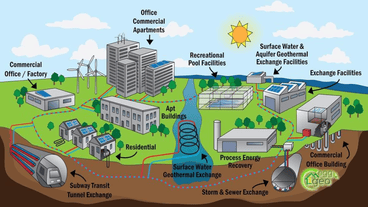
Extreme weather events, water shortages, and other consequences of climate change have challenged—and c...
View More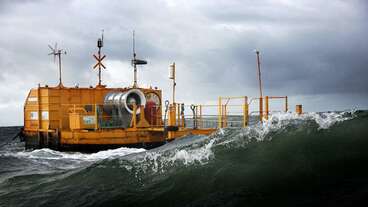
A new multi-material connector predicted to rinse running costs for the renewables industry launches at B...
View More
Reliability measures of electrical grid has risen to a new norm as it involves physical security and cybe...
View More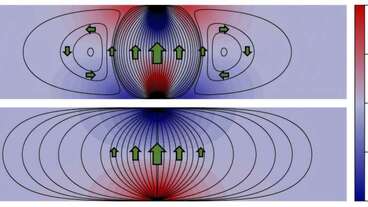
When we think about heat traveling through a material, we typically picture diffusive transport, a proces...
View More